A major new investment is set to reshape how we understand humanity’s relationship with outer space. The Arts and Humanities Research Council (AHRC), part of UK Research and Innovation (UKRI), has awarded £1 million to support a new generation of doctoral researchers at the University of Leicester.
The funding will establish the AHRC Doctoral Focal Award in Humanity and Space, supporting nine PhD scholarships over the next six years. The programme will enable interdisciplinary projects that re-shape our understanding of the meaning, value and lived experience of outer space through the distinctive lens of the arts and humanities.



Exploring the Human Side of Space
With nearly 10,000 satellites orbiting Earth and space technology woven into everyday life — from communications and navigation to climate monitoring — humanity’s dependence on space has never been greater. Yet as we look toward long-term missions, lunar bases and even settlements beyond Earth, profound questions emerge:
- How do we imagine life beyond our planet?
- What laws and governance systems should regulate space activity?
- How will culture, ethics and identity evolve as humanity expands into space?
These are the kinds of questions the new doctoral cohort will tackle.
The scholarships are delivered in collaboration with the Leverhulme Centre for Humanity and Space, one of three Leverhulme-funded centres selected to benefit from this national funding. Established in 2025 with a landmark £10 million investment, the Centre explores how space is reshaping human life through an ambitious 10-year research programme.
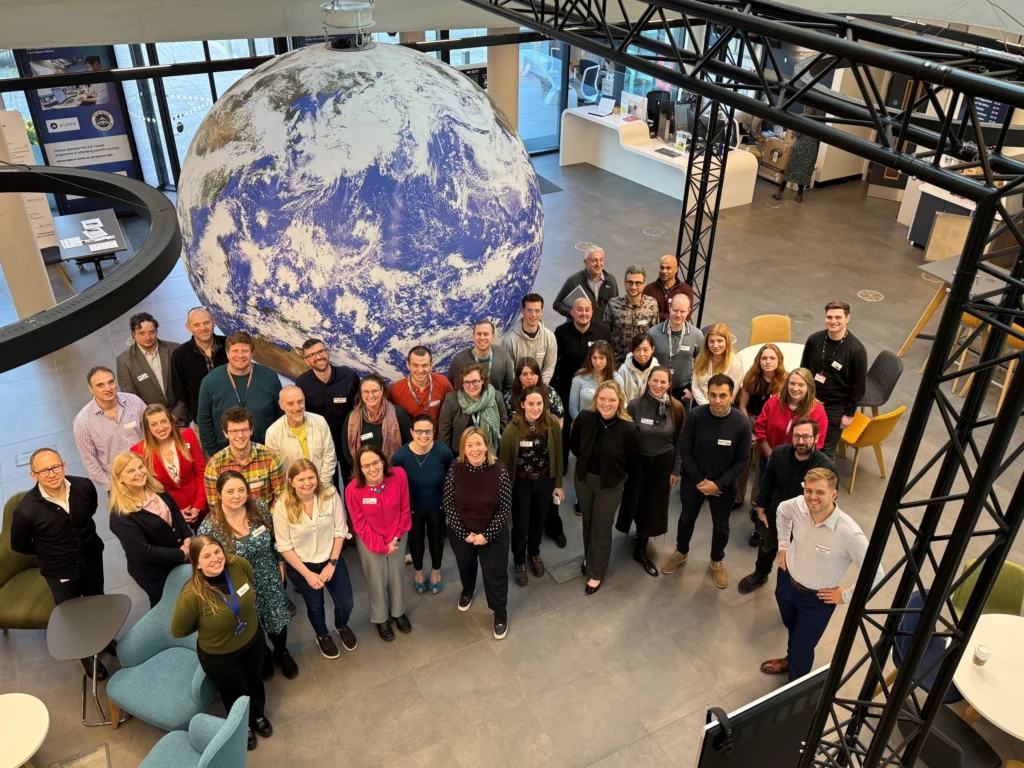
Based at Space Park Leicester
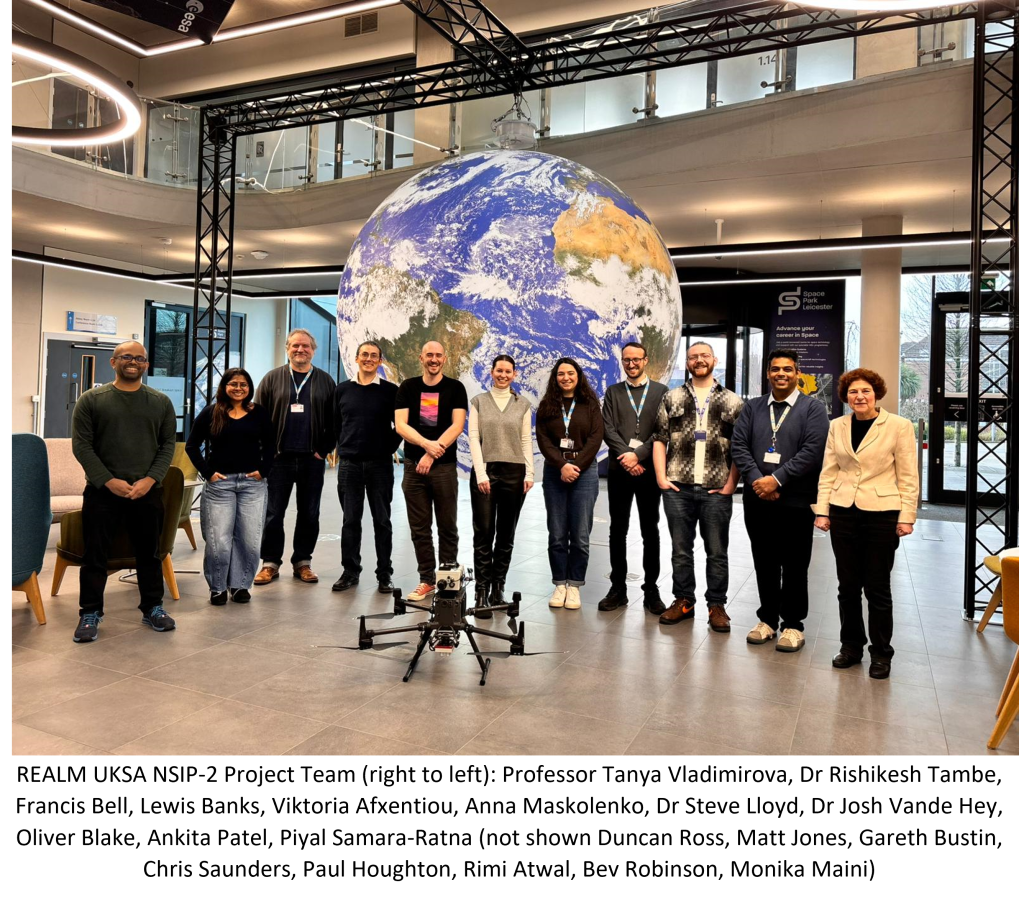
Doctoral students will be based at Space Park Leicester, a hub for space research, innovation and industry collaboration. The programme includes partnerships with external organisations and offers a distinctive element of professional training designed to equip graduates with both intellectual and practical experience.
This approach ensures students are not only academically rigorous but also competitive within the growing UK space sector.
As part of a structured cohort, students will benefit from:
- Specialist interdisciplinary supervision
- Shared training and professional development
- Opportunities to engage with industry partners
- Development of transferable skills for careers inside and beyond academia
A Distinctive Leicester Strength
Professor Rossana Deplano, Director of the Doctoral Focal Award and member of Leicester Law School, highlighted the importance of the initiative:
“The Doctoral Focal Award in Humanity and Space is yet another recognition of our distinctive arts and humanities expertise on outer space at Leicester. It provides a unique platform for students to think creatively and make a real impact in society.”
The award builds on Leicester’s wider efforts to integrate arts, humanities and social sciences into space research. Recent initiatives include:
- The Humanising Space Working Group (established in 2022)
- The interdisciplinary MA in Space and Society, approved in 2025
Together, these initiatives demonstrate a growing recognition that space exploration is not only a technical and scientific endeavour, but also a profoundly human one.
A University at the Forefront
The University of Leicester is home to more than 21,000 students and 4,000 staff and holds a Gold rating in TEF 2023. With 89% of its research rated world-leading or internationally excellent (REF 2021), Leicester has built a strong global reputation for excellence, inclusion and meaningful impact.
Ranked 25th in the UK in the 2026 Times Higher Education World University Rankings and 33rd in the Complete University Guide 2026, the University continues to strengthen its position as a leader in interdisciplinary space research.
Shaping Humanity’s Future in Space
As humanity moves further into the “final frontier,” technical capability alone will not be enough. The future of space depends equally on ethics, governance, culture, law, history and imagination.
This £1 million investment signals a clear message: understanding space means understanding ourselves.
For the SpaceInfo Club community, this development highlights an exciting shift — placing the arts and humanities at the heart of conversations about humanity’s future beyond Earth.