Artemis II Trajectory Explained: How NASA Will Send Humans Around the Moon Again
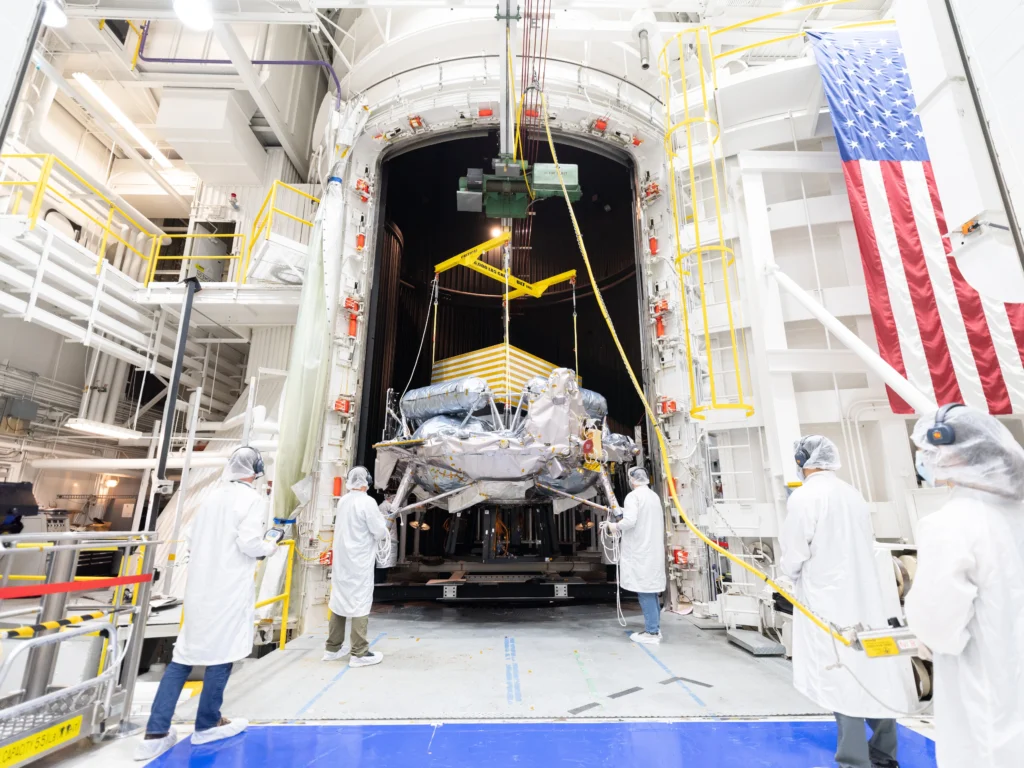
Artemis 2 Mission Profile and Trajectory
Artemis II Trajectory Explained: How NASA Will Send Humans Around the Moon Again Read More »
When people hear about Artemis II, the question is usually simple: “Are they going to the Moon?”
Beyond the Moon: Lesser-Known and Fascinating Facts About NASA’s Artemis II Mission Read More »
NASA’s Artemis II mission marks a historic return of humans to deep space, building on the legacy of Apollo while laying the groundwork for sustained lunar exploration.
Artemis II: Key Questions About Humanity’s Next Crewed Lunar Mission Read More »
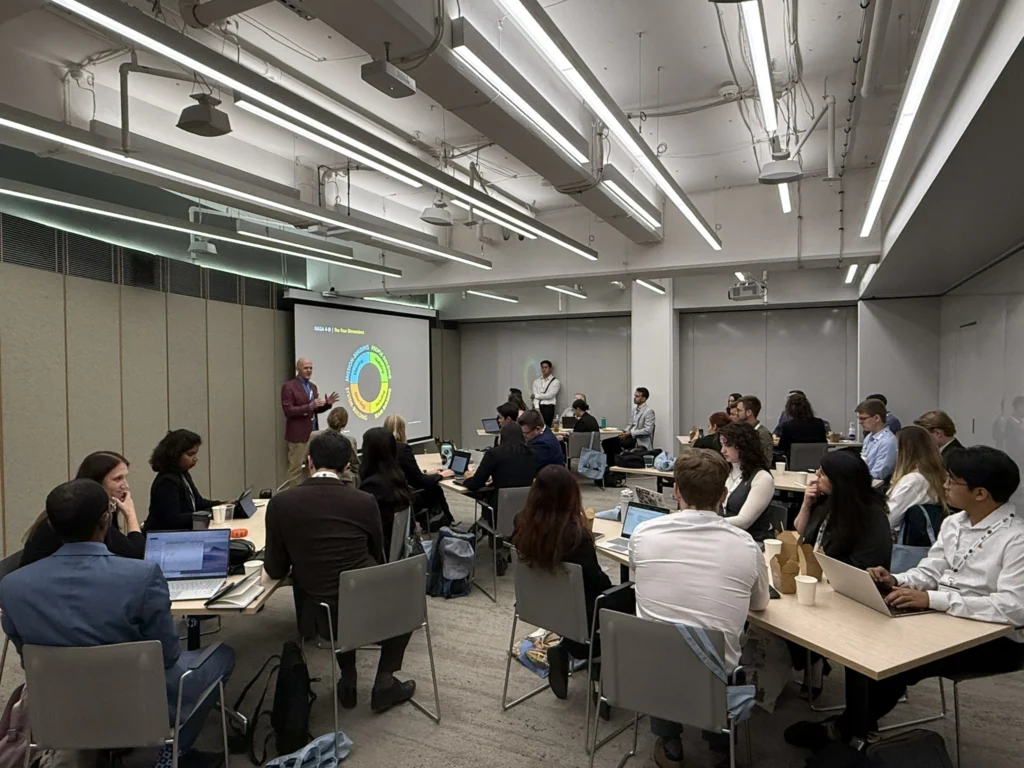
As the space sector continues to grow across science, defence, climate monitoring, and commercial services, initiatives like this play a vital role in ensuring that talent, leadership, and understanding keep pace with ambition.
Space Park Leicester Launches “Executive Guide to Space” Mission Programme Read More »
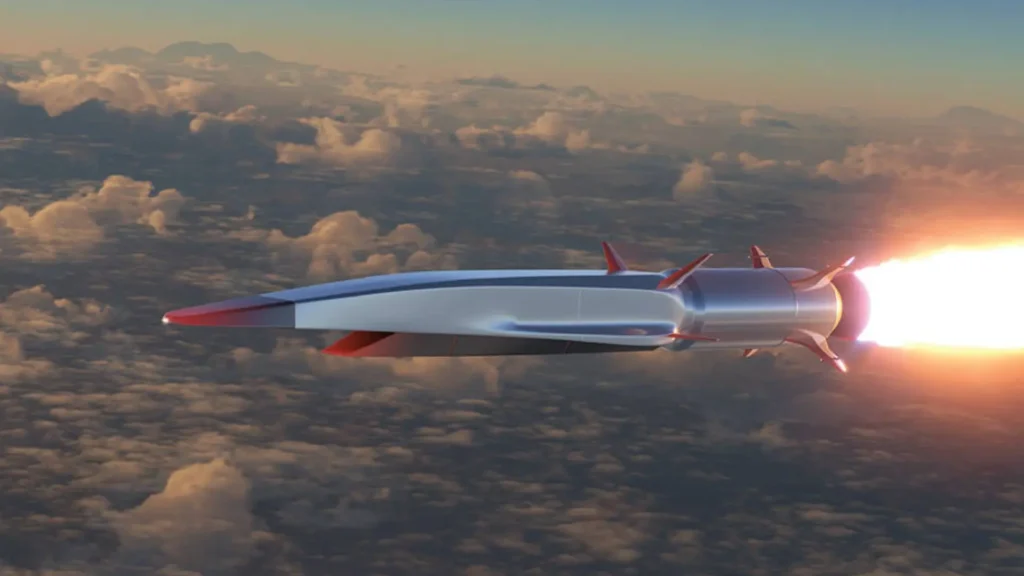
On February 1, 2003, NASA lost Space Shuttle Columbia (STS-107) and its seven-member crew during atmospheric re-entry. While the immediate cause was damage to the shuttle’s left wing sustained during launch, the ultimate failure unfolded through the unforgiving physics of hypersonic flight and re-entry heating.
Artemis 2 is a gateway mission — the final major test before astronauts attempt to land on the Moon during Artemis 3.
On January 28, 1986, NASA’s Space Shuttle Challenger (mission STS-51-L) was destroyed shortly after liftoff, resulting in the loss of all seven crew members.
The Space Shuttle Challenger Disaster: Causes, Consequences, and Lessons Learned Read More »
The Apollo 1 disaster was not merely an accident; it was a defining moment that reshaped NASA’s approach to engineering, safety, and accountability. The loss of Grissom, White, and Chaffee underscored the inherent risks of space exploration and the necessity of uncompromising safety standards.
The Apollo 1 Disaster: A Tragic Turning Point in Spaceflight Safety Read More »
Chinese researchers announced the development of a new lunar timekeeping software designed to precisely synchronize clocks between Earth and the Moon.
Moon Time: Why the Moon Has Its Own Clock and Why It Matters for Future Exploration Read More »
NASA’s Artemis II mission marks a historic step toward returning humans to the Moon—and going beyond.