

Join the mailing list Free weekly briefing, no spam.
You can also watch the full deep-dive video on our SpaceInfo Club channel, where we explore how this extraordinary map was created and what it means for modern cosmology.
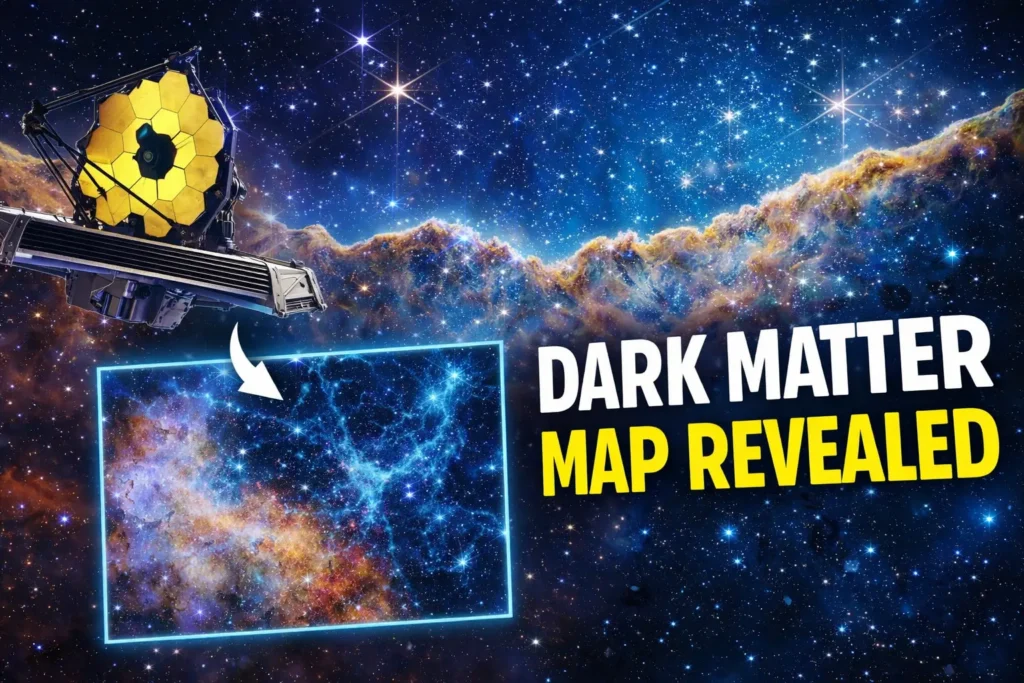
The universe we observe — stars, galaxies, nebulae — represents only a small fraction of its true composition. Beneath this luminous layer lies an invisible framework of dark matter, shaping cosmic structure on the largest scales. Using data from the NASA / ESA / CSA James Webb Space Telescope, scientists have now produced the most detailed high-resolution map of dark matter ever assembled, revealing with unprecedented clarity how the invisible sculpts the visible universe.
Mapping the Unseen
Dark matter does not emit, absorb, or reflect light. It cannot be detected directly by any telescope. Instead, astronomers measure its presence through gravitational lensing — the subtle distortion of light from distant galaxies as it passes through massive structures.
By analyzing the shapes of nearly 800,000 galaxies observed over 255 hours, Webb enabled researchers to reconstruct how mass — both visible and invisible — is distributed across a large region of the sky in the constellation Sextans, part of the COSMOS field.
The result is a dark matter map with roughly twice the resolution of previous maps made by the Hubble Space Telescope and significantly sharper than those produced by ground-based observatories. Webb’s infrared sensitivity allowed scientists to detect fainter and more distant galaxies, providing a denser and more precise dataset for gravitational lensing measurements.

Executive Guide to Space at Space Park Leicester: Three Days Inside a Space Mission

MO-Nav on Talon-A: What a Mach 5 GPS-Denied Test Proves
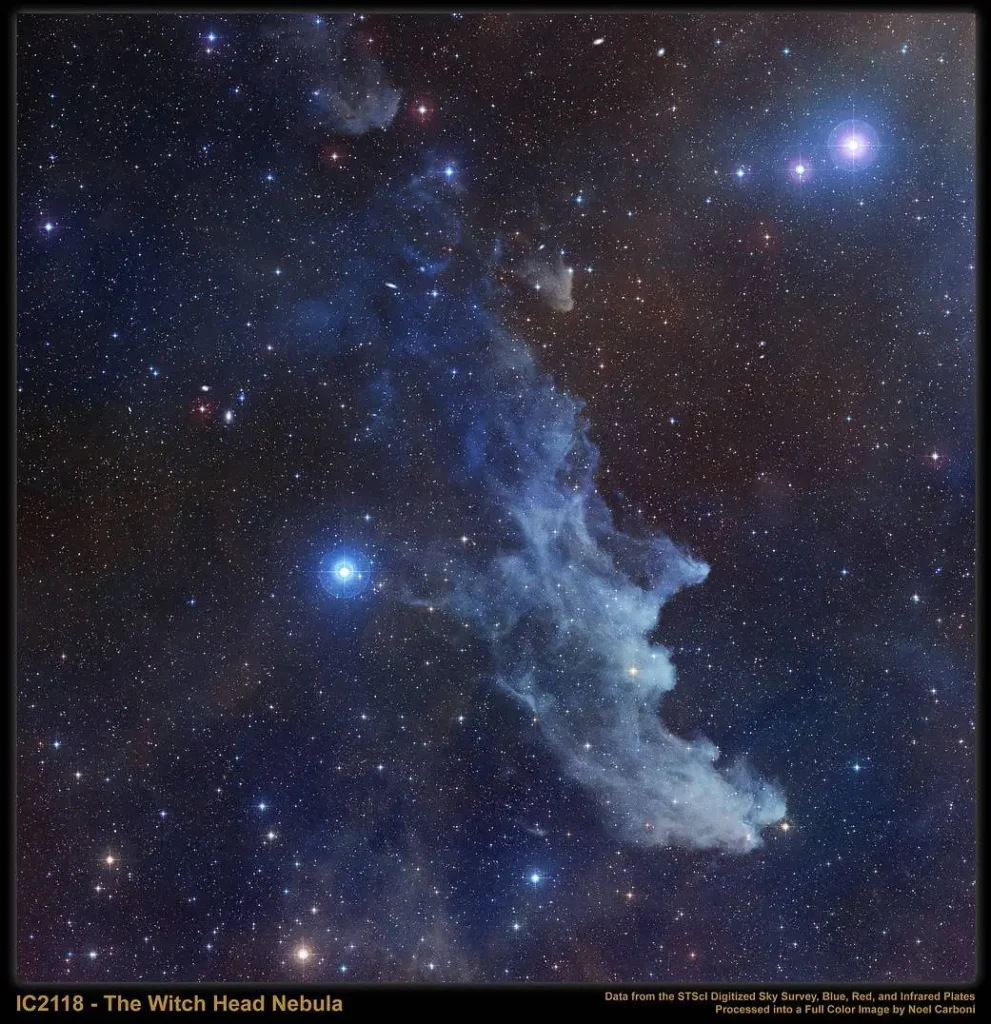
Scariest Objects in Space: Ghost Nebula, Witch Head Nebula and the Demon Star
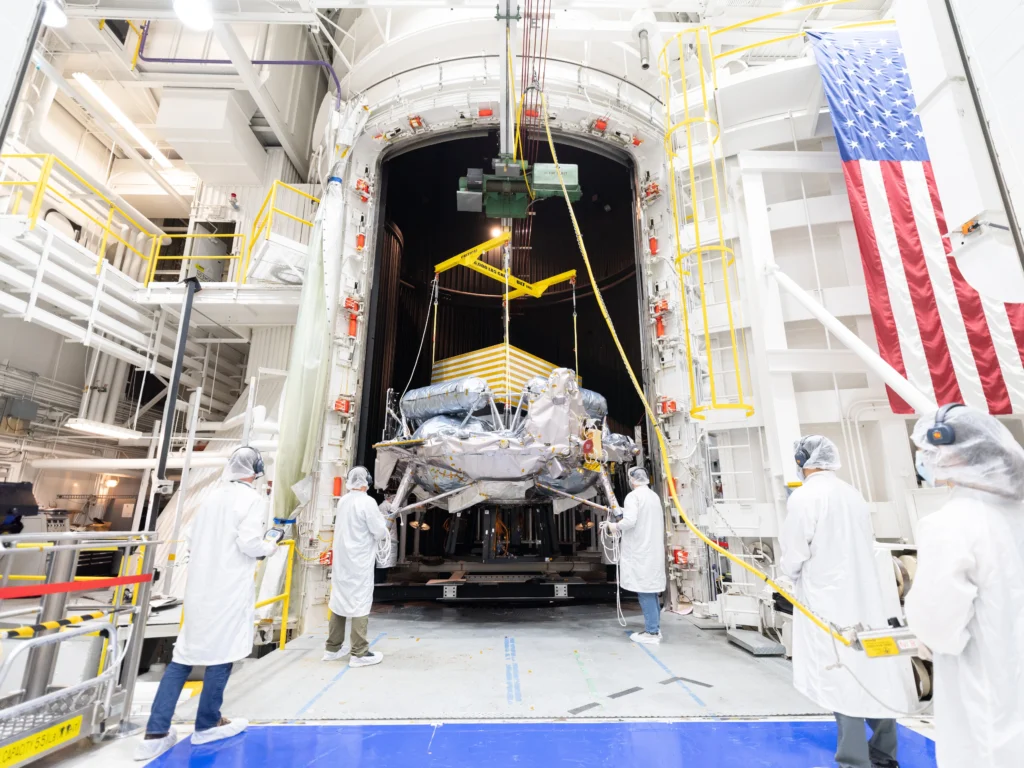
Griffin-1 Lunar Lander Completes Environmental Testing at NASA JPL

NASA 4-D Executive Space Programme: Eight Questions Answered by Paul Hawkins
Halloween Fireballs 2026: When to See the Orionid and Taurid Meteor Showers
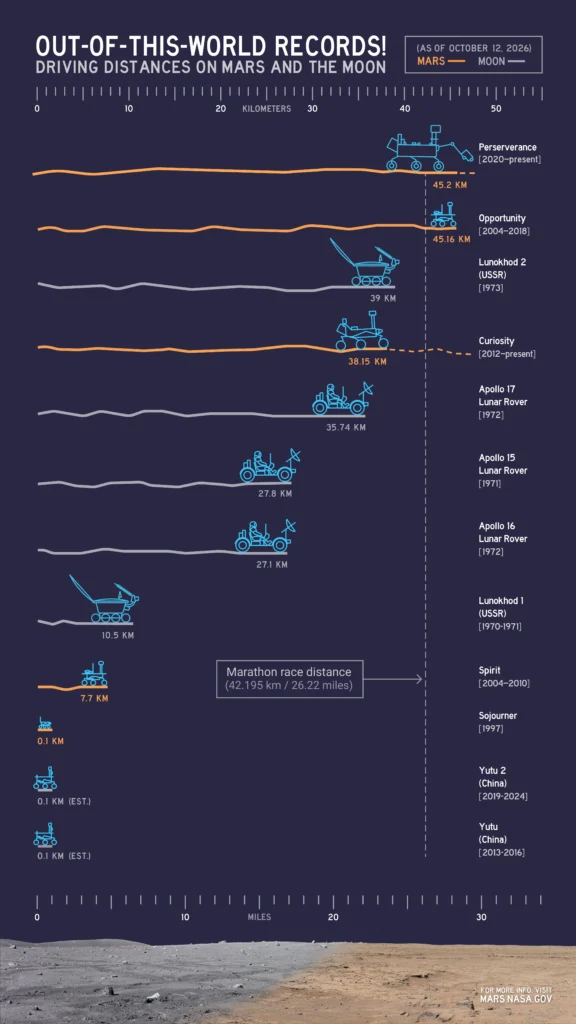
Perseverance Passes Opportunity’s Driving Record: What 45 Kilometers on Mars Really Means
The Cosmic Web Confirmed
The new map reveals a striking network of dense nodes and connecting filaments — the long-theorized cosmic web. Wherever clusters of visible galaxies appear, corresponding concentrations of dark matter are found. Even the filamentary bridges between galaxy clusters are traced by underlying dark matter structures.
This alignment strengthens the standard cosmological model: dark matter’s gravity acted as the initial scaffolding of the universe. After the Big Bang, invisible matter collapsed into dense regions, pulling ordinary matter along with it. Over billions of years, this process enabled the formation of galaxies, stars, planetary systems — and ultimately, the chemical complexity required for life.
Without dark matter’s early gravitational influence, the large-scale structures we observe today might never have formed.
Why This Discovery Matters
Dark matter accounts for approximately 85% of all matter in the universe, yet its fundamental nature remains unknown. It does not interact with electromagnetic radiation and has never been directly detected in laboratory experiments.
High-resolution mapping projects like this one provide crucial empirical constraints. The better we understand how dark matter is distributed across cosmic time, the better we can test competing theories about its properties — whether it consists of exotic particles, behaves in unexpected ways at small scales, or requires modifications to gravitational theory itself.
This Webb map represents not just a technical milestone, but a powerful validation of decades of theoretical and computational cosmology.
The Road Ahead
The work does not stop here. NASA’s upcoming Nancy Grace Roman Space Telescope will survey vastly larger areas of the sky, producing dark matter maps thousands of times wider in coverage. Future missions such as the proposed Habitable Worlds Observatory may refine our understanding even further.
With every new dataset, the invisible backbone of the universe becomes clearer.
And as Webb continues its mission, it is not just observing galaxies — it is revealing the fundamental architecture of reality itself.

a8fmcx