Medicine Beyond Earth: An Interview with Terje Sæhle
A neurosurgeon, the new President of the European Society of Aerospace Medicine and a former Chair of the ESA Medical Board explains how astronauts are chosen, what weightlessness does to the brain and how doctors could care for a crew on the way to Mars.
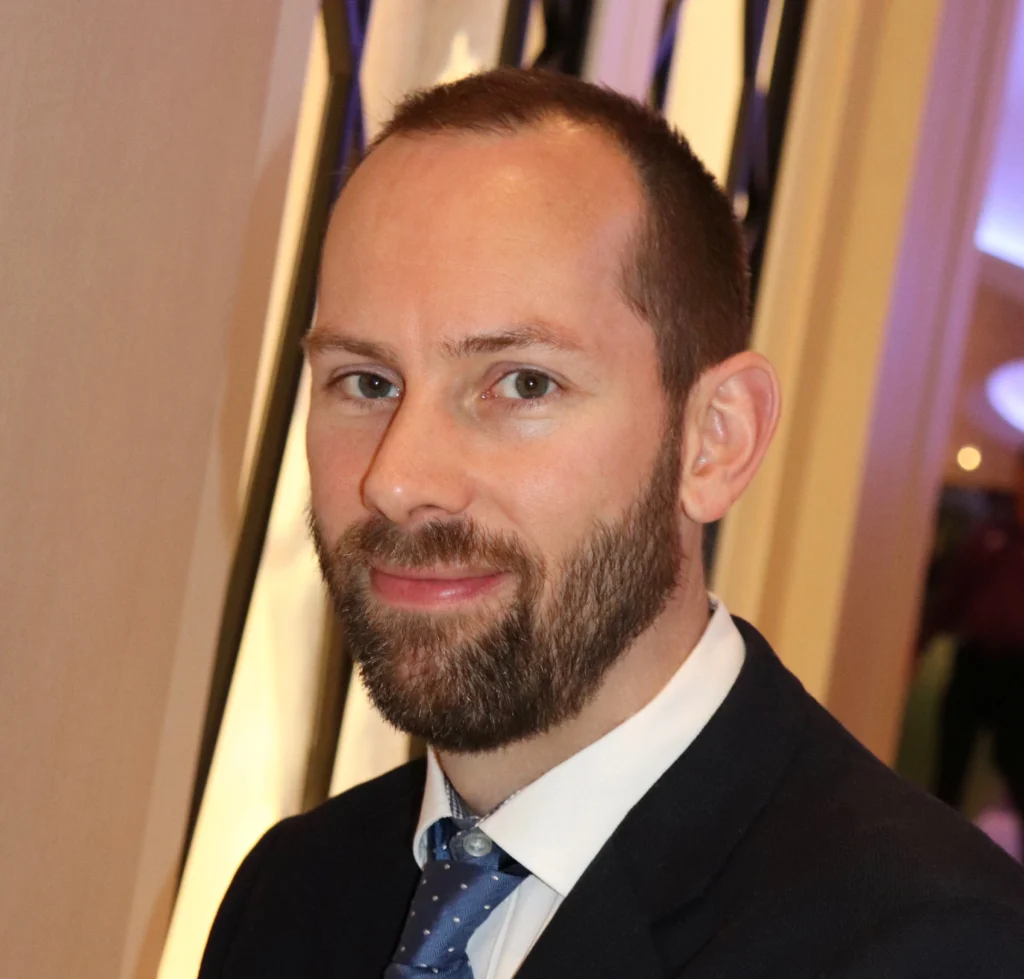
Terje Sæhle is a neurosurgeon and aerospace medicine specialist who became President of the European Society of Aerospace Medicine (ESAM) for the 2026–2028 term. He is also Chief Medical Officer at the Norwegian Civil Aviation Authority and has been a member of the European Space Agency Medical Board since 2018, chairing it from 2019 to 2023. He reached the final phase of ESA’s 2021–2022 astronaut selection. In this written interview with SpaceInfo Club he discusses astronaut medical selection, the brain in microgravity, the unresolved eye changes known as SANS, medicine in extreme environments, and what medical care could look like on a three-year mission to Mars.
Key Takeaways
- Fit is not the same as selected. Sæhle believes most, and possibly all, of the roughly 90 candidates who reached ESA’s medical assessment phase could have been excellent astronauts. The final choice also depends on team balance, diversity and chance.
- Standards change after selection. Medical standards for astronauts already in the corps are less restrictive than at selection and are applied case by case against the risks of the actual mission.
- The brain is a fluid system, not just a pressure number. Intracranial compliance, pulsatile blood and cerebrospinal fluid flow and the glymphatic system all matter for long missions.
- SANS is still unexplained. Raised intracranial pressure alone does not account for the eye changes seen after long flights, and commercial missions could open new research opportunities.
- Mars needs priorities, not a hospital. Medical autonomy means choosing the most valuable capabilities. Some emergency neurosurgery, such as evacuating an epidural haematoma, may be feasible in space.
- One standard does not fit every traveller. Identical medical standards for professional astronauts and short-flight space tourists make little sense, with informed consent playing a central role.
- Advice to young doctors: build a solid clinical foundation first, then add aerospace medicine.
At a Glance
- Role
- President, European Society of Aerospace Medicine (ESAM), 2026–2028
- Also at
- Chief Medical Officer (Aerospace Medicine), Norwegian Civil Aviation Authority
- Space medicine
- Member, ESA Medical Board since 2018 · Chair, 2019–2023
- Specialties
- Neurosurgery and community medicine (board-certified) · Aerospace and extreme medicine
- Education
- MD, NTNU · PhD, University of Oslo (2016) · MSc in Extreme Medicine, University of Exeter
- Research
- Intracranial pressure and hydrocephalus · Cerebral haemodynamics in hypergravity and microgravity
- Astronaut selection
- Final phase of ESA’s 2021–2022 selection
About Terje Sæhle
Terje Sæhle, MD, MSc, PhD, is a Norwegian physician who combines neurosurgery with aerospace and extreme medicine. A board-certified specialist in neurosurgery and community medicine, he trained at the Norwegian University of Science and Technology (NTNU), worked as a neurosurgeon at Oslo University Hospital and earned his PhD at the University of Oslo with a thesis on hydrocephalus and static and pulsatile intracranial pressure.
Since 2020 he has been Chief Medical Officer for aerospace medicine at the Norwegian Civil Aviation Authority, after joining it as a flight surgeon in 2013. Within ESA he serves on the Medical Board, which assesses astronaut medical fitness and reviews experiments proposed for the International Space Station, and he has provided specialist medical advice to NASA. His MSc in Extreme Medicine at the University of Exeter focused on cerebral haemodynamics in hypergravity and microgravity.
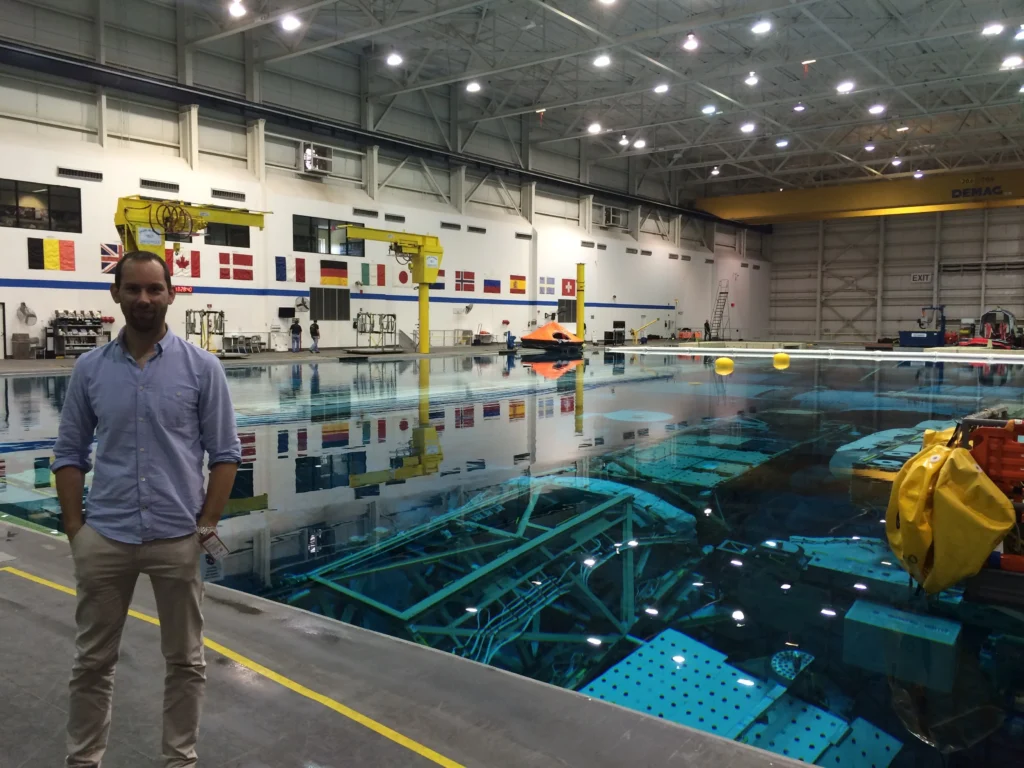
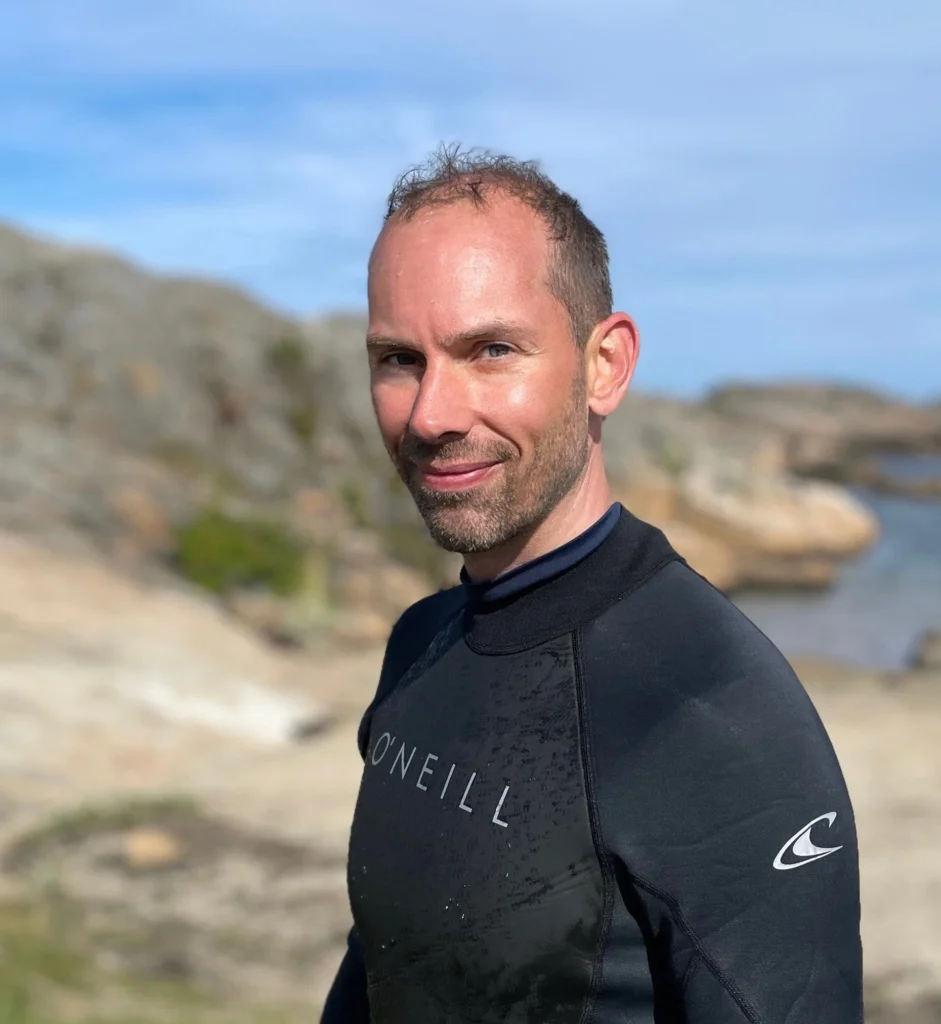
His training also spans diving and hyperbaric medicine, polar, jungle and expedition medicine, and field experience from the Andes to the Himalayas. He discussed space medicine as a career on the Stetoskopet podcast of the Norwegian Medical Association.

The Interview
You moved from neurosurgery to aerospace medicine, and you took part in an ESA astronaut selection. What drew you to space, and what did that selection process teach you about what the medical side of becoming an astronaut really looks like?
Curiosity has probably been the common thread throughout my career. It drew me towards the brain and neurosurgery, and later towards understanding how humans function in extreme environments. Space is perhaps the ultimate example.
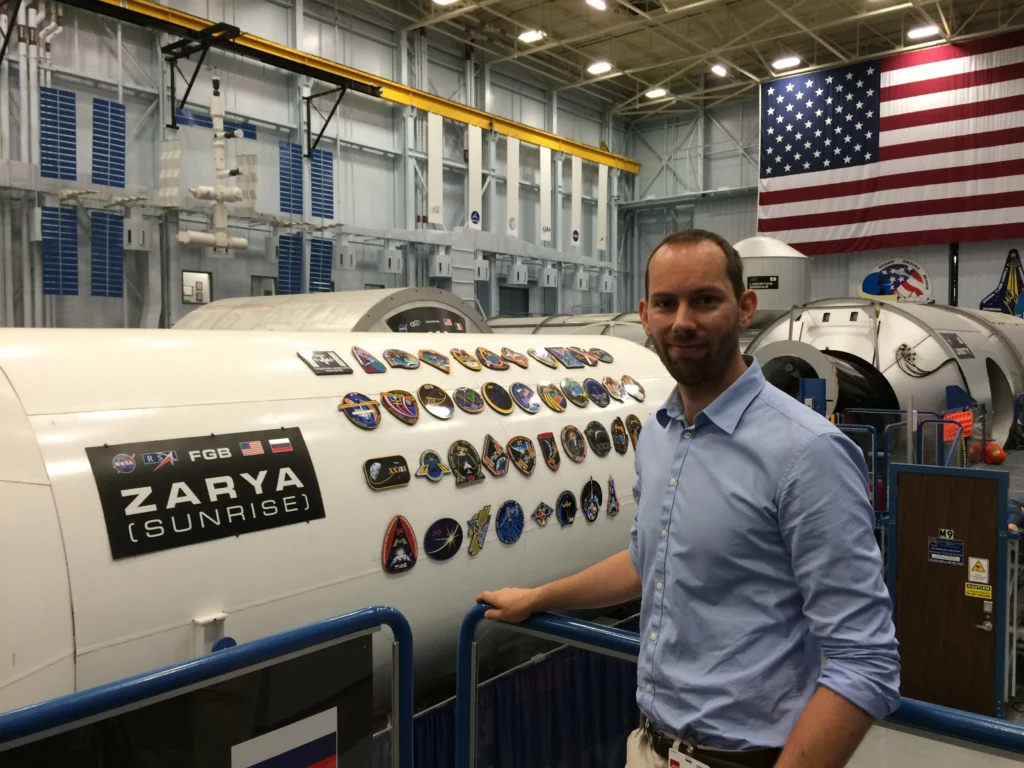
I was fortunate to reach the final phase of ESA’s 2021–2022 astronaut selection, completing all the test phases as well as the panel interview. It was an extraordinary experience, both personally and professionally. One important lesson was that being medically fit to become an astronaut and actually being selected are two very different things. ESA’s medical selection criteria are understandably extremely stringent. Yet, having experienced the process, I believe that most, and quite possibly all, of the approximately 90 candidates who reached the extensive medical assessment phase could have performed very well as professional astronauts, without necessarily presenting any significant additional medical risk. These were exceptionally capable individuals, including experienced and active test pilots and people from a wide range of demanding professions. Only about half progressed beyond the medical assessment phase to the panel interview, and in the end, just a handful could be selected. At that stage, selection is about much more than medical fitness or individual ability. ESA must assemble a small astronaut corps with complementary skills and backgrounds, while also considering diversity, nationality and broader institutional priorities.
What impressed me most was the extraordinary quality of the candidates. Some of the people I personally considered among the strongest were not selected. When so many candidates are exceptionally well qualified, I believe the final outcome inevitably involves an element of chance and good fortune, rather than simply identifying a handful of individuals who are objectively better or more medically fit than everyone else.
The ESA Medical Board decides who is fit to fly and which experiments can be carried out on astronauts. Could you walk us through how a real decision is made, and what is the hardest kind of case to judge?
As a member of ESA’s Medical Board, I occasionally participate in discussions about whether an astronaut is medically fit for a particular mission. Interestingly, the medical standards for astronauts already selected into the corps are generally less restrictive than those applied during initial selection. Once someone has been selected and trained, the assessment becomes more individualised, weighing the actual medical risk against the circumstances of the mission. Much of our work on the Board, however, involves reviewing experiments and activities proposed for the International Space Station. Typically, a few Board members examine a proposal in detail before discussing its medical implications, safety and potential risks with the full Board.
Some of our most fascinating and challenging discussions concern unexpected medical findings during or after long-duration spaceflight. What does an unusual physiological measurement or structural change actually mean in an environment so different from Earth? Often, there is simply not enough empirical evidence to provide a definitive answer. We have to combine established medical knowledge with our understanding of how spaceflight alters human physiology, explore different explanations and make a reasoned judgement despite considerable uncertainty. For me, this is one of the most intellectually rewarding aspects of space medicine: sometimes we are dealing with questions that medicine has never had to answer before.
The brain is your specialty. What does weightlessness do to it, and why are fluid shifts and intracranial pressure such a concern for long missions?
On Earth, gravity influences how blood and other body fluids are distributed. In microgravity, the usual head-to-foot pressure gradient largely disappears, causing fluids to redistribute towards the upper body. This can affect venous drainage from the brain, cerebrospinal fluid dynamics and the complex interactions between intracranial fluid systems. We have also observed changes in brain position, structure and ventricular volume following long-duration spaceflight.
Intracranial pressure is an important part of this discussion, but I personally think we should look beyond pressure alone. The brain is enclosed within a relatively rigid skull, where blood, brain tissue and cerebrospinal fluid must share a limited space. An equally important concept is intracranial compliance: how well this system can accommodate changes in volume without causing substantial changes in pressure. There is also a fascinating interaction between the different fluid systems. Arterial blood enters the brain in rhythmic pulses, venous blood drains away, and cerebrospinal fluid moves in response to these and other physiological forces, including breathing. These flows and pressure fluctuations are closely interconnected, and changes in their timing, magnitude or relationship could potentially influence brain function even without a major increase in average intracranial pressure. I am also particularly interested in the glymphatic system, a proposed pathway for fluid exchange and waste clearance within the brain. We still know relatively little about how prolonged microgravity might influence this process, or how it interacts with cerebral circulation and cerebrospinal fluid dynamics.
Importantly, the brain is responsible for virtually every aspect of an astronaut’s performance, from perception and judgement to coordination and decision-making. Even relatively subtle functional disturbances could therefore have significant consequences in a demanding operational environment. We should not assume that the structural and fluid-related changes observed in astronauts necessarily cause such impairments. But understanding whether they do, particularly during missions lasting several years, is essential not only for long-term neurological health but also for mission safety.
Spaceflight-associated neuro-ocular syndrome (SANS) changes astronauts’ vision and is still not fully understood. How close are we to explaining it, and what could protect crews on a journey to Mars?
SANS is one of the most fascinating unresolved problems in space medicine. We know that some astronauts develop changes such as optic disc swelling, flattening of the back of the eye, choroidal folds and alterations in refraction following prolonged exposure to microgravity. These findings have also been associated with structural and fluid-related changes in the brain. Interestingly, some of the ocular changes resemble those seen in patients on Earth with abnormal intracranial pressure conditions. However, the underlying mechanisms may not be identical, and we should not assume that elevated intracranial pressure alone explains SANS. Several hypotheses have been proposed, involving fluid redistribution, cerebral venous drainage, cerebrospinal fluid dynamics and local pressure conditions around the optic nerve and eye. These mechanisms may also interact.
One major challenge is that some of the most informative measurements of intracranial and cerebral fluid dynamics are invasive. Procedures that can be performed with relatively low risk by experienced specialists in a well-equipped hospital become considerably more complicated in the spaceflight environment, although not necessarily impossible. This is also where I think commercial human spaceflight could create interesting new opportunities. Commercial missions may allow us to bring highly specialised medical and scientific expertise directly into space, rather than relying exclusively on the skills available within a traditional astronaut corps. They may also provide opportunities to explore carefully justified research procedures involving somewhat higher levels of accepted risk than government space agencies have traditionally been comfortable with, provided that ethical standards, informed consent and appropriate safety measures are maintained.
Potential countermeasures for SANS include lower-body negative pressure, artificial gravity and other methods intended to modify fluid distribution. However, demonstrating a physiological effect is not the same as proving that an intervention prevents SANS. We are making meaningful progress, but I believe that better physiological measurements, potentially including carefully designed studies during commercial missions, will be essential if we are to understand the mechanisms and develop effective countermeasures for future missions to Mars.
Your studies in extreme medicine took you from polar environments to the jungle and to hyperbaric exposure at 7.5 atmospheres. What do these environments have in common with space, and which taught you the most about human limits?
What fascinates me most about extreme environments is how profoundly human physiology can change when we move outside the conditions in which we evolved. High-altitude and hyperbaric environments provide two fascinating examples, at opposite ends of the pressure spectrum. At high altitude, reduced atmospheric pressure lowers the amount of oxygen available to the body, potentially impairing everything from physical performance to judgement and consciousness. Under hyperbaric conditions, the opposite occurs: increasing pressure raises the partial pressures of the gases we breathe, potentially making even familiar gases harmful. Oxygen can become toxic, while nitrogen can produce narcosis, affecting perception, judgement and behaviour.
I’ve been fortunate to experience some of these extremes firsthand, from expeditions in the Andes and Himalayas to hyperbaric exposure at pressures up to 7.5 atmospheres, as well as training in polar and tropical environments. What continues to impress me is both how adaptable humans can be and how quickly familiar physiological rules can change when the environment changes. The connection to space is not that these environments produce the same physiological effects, but that they challenge our assumptions about what is normal.
There is also a practical similarity. In remote or extreme environments, access to medical facilities may be severely limited, and you sometimes have to rely more on preparation, clinical reasoning and improvisation than on the diagnostic and treatment resources available in a modern hospital. Perhaps the most important lesson is that understanding medicine in extreme environments requires us to understand not only the human body, but also the environment in which it operates.

On a Mars mission there is no evacuation and communication is delayed by many minutes. What level of medical autonomy is realistic: a physician on board, AI-assisted diagnosis, even surgery? And what would happen if a crew member developed something like a brain tumour in transit?
Medical autonomy will be one of the greatest challenges of a Mars mission. Communication with Earth will be delayed by many minutes, and evacuation may be impossible for years. Careful medical screening will reduce certain risks, but unexpected illness and injury cannot be eliminated. I expect AI-assisted decision support, compact diagnostic equipment, ultrasound and extensive medical training of crew members to become increasingly important. Having a physician on board would be valuable, but no single physician can master every specialty, and the medical system must also function if the physician becomes the patient.
A brain tumour developing during a Mars mission would certainly present a major medical challenge. Although extensive medical screening before departure would reduce the likelihood of such a scenario, diagnosing and treating a brain tumour without advanced imaging and specialist facilities could be extremely difficult. But consider a perhaps more plausible scenario: an epidural haematoma. Following a head injury, an artery may rupture and blood can accumulate between the skull and the outer covering of the brain. As the blood collection expands, it can compress the brain and cause rapid neurological deterioration, potentially leading to death. On Earth, this is a neurosurgical emergency where timely evacuation of the blood collection can be lifesaving. In certain circumstances, the diagnosis can be strongly suspected clinically, even without CT imaging.
Imagine a crew member deteriorating rapidly, with a very high likelihood of death without intervention. Could a specially trained crew member, supported by appropriate equipment and medical decision systems, perform an emergency procedure? I actually believe that certain emergency neurosurgical procedures could be feasible during future space missions, provided that appropriate equipment, training and medical support systems are available. Evacuation of an epidural haematoma is one example worth exploring. Although the procedure presents significant challenges, it does not necessarily require the full range of facilities normally available in a neurosurgical operating theatre, and the anaesthetic requirements would depend on the patient’s condition. The balance between risk and potential benefit also changes dramatically when the alternative is almost certain death and evacuation is impossible.
Ultimately, medical autonomy is not about recreating an entire hospital on Mars. It is about deciding which capabilities are most valuable, and developing systems that allow a small crew to use them as safely as possible.
Should private astronauts and space tourists meet the same medical standards as professional ones, or does commercial spaceflight need a different framework?
In my view, applying identical medical standards to all space travellers would make little sense. A professional astronaut spending six months in orbit faces a very different risk profile from someone participating in a short commercial flight. Apart from the risks associated with launch, landing and potential technical failures, many of the more concerning medical effects of spaceflight are primarily associated with prolonged exposure to microgravity and other environmental factors. These include changes affecting bone, muscle, cardiovascular regulation, vision and brain structure, some of which may persist after returning to Earth. By comparison, the physiological consequences of spending a few hours or days in space are generally limited and largely reversible. Temporary effects such as space motion sickness or orthostatic intolerance may cause discomfort or short-term functional impairment, but rarely represent serious medical problems in otherwise healthy individuals.
Interestingly, the US Federal Aviation Administration does not require a medical certificate for commercial spaceflight participants travelling as passengers. Instead, the regulatory framework emphasises informed consent, while operators may establish their own medical screening procedures. I think there are good reasons for this distinction. A professional astronaut is selected to perform demanding duties, potentially over many months, whereas a private participant may voluntarily accept a certain level of personal risk during a much shorter mission.
Of course, informed consent does not justify exposing other passengers, crew members or the mission itself to unacceptable risks. However, many medical risks can be reduced through appropriate precautions, individual adaptations or other mitigating measures. In some cases, simply postponing a flight until a medical condition has stabilised may be sufficient. This allows for a more flexible and individualised approach to medical risk, potentially enabling people with a wider range of medical conditions to participate safely in commercial spaceflight. As commercial spaceflight expands, it may also provide valuable opportunities to study how people of different ages and medical backgrounds respond to the space environment, potentially making human spaceflight both safer and more accessible.
What is the most underestimated medical risk of a long-duration mission, the one the public rarely hears about?
I would distinguish between the risks most likely to occur and those with potentially catastrophic consequences. Radiation, bone loss, muscle atrophy and psychological health are all important and relatively well-recognised challenges. Personally, I am particularly concerned about our limited ability to diagnose and treat a serious medical emergency during a long mission. Even a condition that is routinely manageable in a hospital on Earth could become life-threatening when evacuation is impossible.
From a neurosurgical perspective, I am also concerned about the possibility that prolonged alterations in cerebral venous drainage, cerebrospinal fluid dynamics and intracranial circulation could, under certain circumstances, contribute to serious complications. For example, severely impaired venous outflow or cerebral venous thrombosis could potentially have life-threatening consequences. I should emphasise that this is a physiological concern rather than evidence that such complications are common among astronauts. The likelihood may be low, but the potential consequences could be severe.
Psychological health during a three-year Mars mission is another major uncertainty. We cannot fully reproduce such a mission in terrestrial analogue studies, although I believe careful selection, training and crew composition can substantially reduce the risks. Ultimately, one of the most underestimated challenges is how dependent modern medicine has become on rapid access to advanced diagnostics, specialist care and evacuation. On Mars, none of these can be taken for granted.
What does space medicine give back to people on Earth, for example in aviation, emergency care or neurology?
I think one of the greatest scientific contributions of human spaceflight is that it allows us to study human physiology under conditions that cannot be fully reproduced on Earth. Microgravity provides unique opportunities to investigate cardiovascular regulation, fluid dynamics, bone metabolism, muscle physiology, balance, vision and brain function. This also includes understanding how intracranial fluids and brain structures respond to weightlessness, which may provide insights into physiological processes that remain incompletely understood even on Earth.
Space medicine also encourages technological innovation, including compact diagnostic equipment, remote monitoring and medical decision-support systems that may be valuable in emergency medicine, aviation and remote healthcare. However, I think we should be careful not to exaggerate these benefits. I sometimes hear claims that particular technologies or treatments were developed because of spaceflight when the actual connection is much more indirect. Such exaggerations may ultimately undermine public trust. Scientific honesty and integrity should be fundamental values in our field.
There is also an important distinction between experiments that could be performed just as well using robotic spacecraft versus research that genuinely requires human participants. However, if we want to understand how the human body responds to spaceflight, there are certain questions that neither robotic missions nor terrestrial analogues can fully answer. I suspect the scientific potential is considerably greater than what we have realised so far, particularly if future missions allow more sophisticated physiological measurements while maintaining acceptable safety standards.
What would you say to a young medical student in Europe who dreams of working in space medicine, and how realistic is that career path today?
My first advice would be simple: go for it! Space medicine remains a relatively small field, and positions with organisations such as ESA, NASA and commercial spaceflight companies are limited. However, the field is expanding, and I expect opportunities to grow.
At the same time, I would strongly encourage medical students to build a solid clinical foundation first. Become good at something valuable in medicine on Earth, whether that is emergency medicine, neurology, surgery, internal medicine, psychiatry, occupational medicine or another specialty. Then develop your aerospace medicine expertise alongside it. Many professionals working in space medicine first established themselves in other medical or scientific disciplines.
In my own case, my background in neurosurgery and research on intracranial pressure and fluid dynamics has been particularly useful. Combined with my space medicine experience, this has enabled me to contribute to ESA’s medical work and to be invited by NASA to provide specialist medical advice on selected topics. This combination of expertise is important because space medicine often lacks the large clinical studies available in conventional medicine. We need people who can apply established medical knowledge while also understanding how the space environment changes human physiology. I would also encourage young colleagues to build connections beyond medicine, including engineering, physiology, psychology and space operations.
So follow your dream, remain curious and build a strong professional foundation. You do not necessarily have to choose between a meaningful medical career on Earth and contributing to human space exploration. In fact, combining the two may be precisely what makes you valuable.