
The Club · A four-episode series
From Earth to SpaceWho explores, for whom, and under which rules?
Prof. Alfonso Giordano, a political and economic geographer at Luiss University in Rome, starts from the first human migrations and ends on the Moon and Mars. Along the way he uses the history of exploration on Earth to ask what spaceflight is repeating, what is genuinely new and who gets to decide.
A new episode goes live every Monday at 08:00 CET, from November 23 to December 14, 2026. Each one is a written Q&A with three questions.
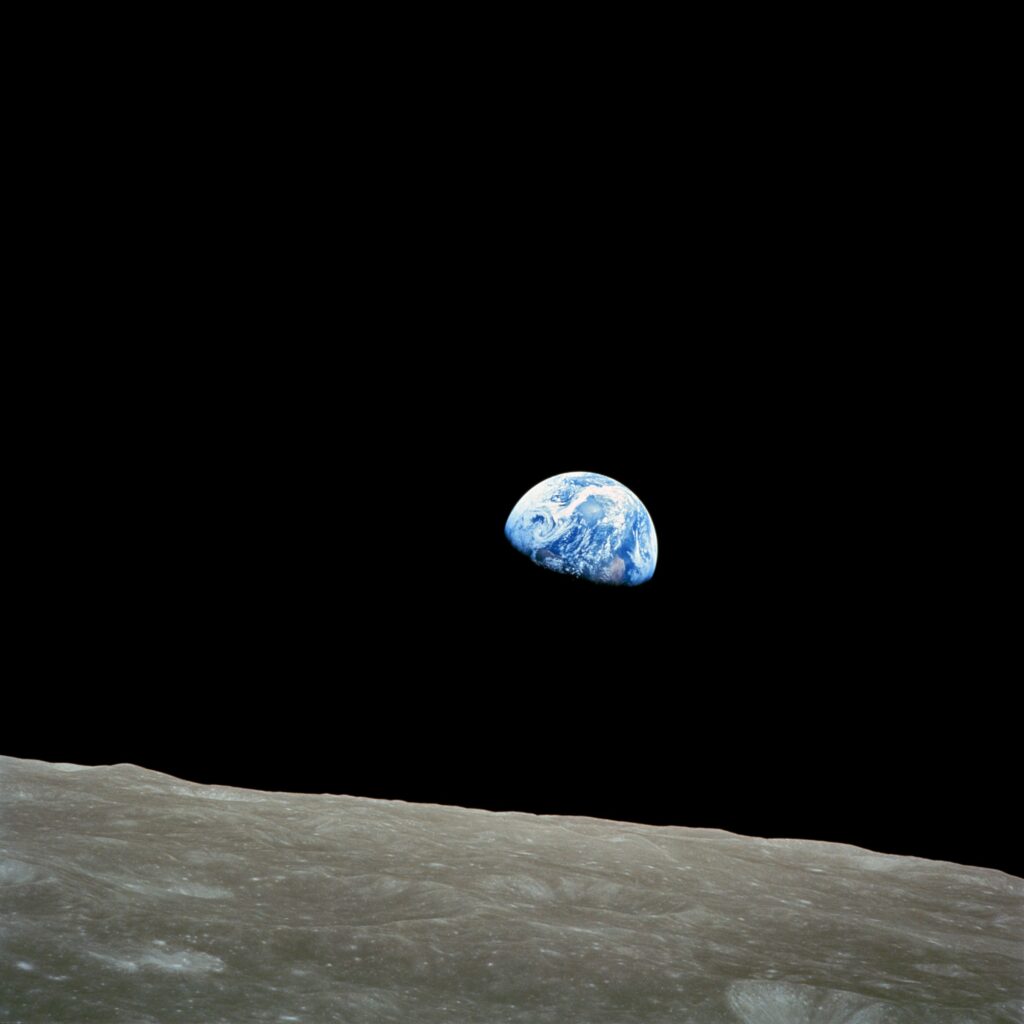
The four episodes
Each episode is semi-independent. Together they follow one thread, from why people left home to who writes the rules when they leave the planet.
 Episode 1 ·
From Migrations to Deliberate Exploration
Why do we venture beyond familiar worlds?Did exploration begin out of necessity? Human dispersal, Polynesian wayfinding and the ancient Mediterranean, and what they say about the Moon and Mars.
Coming Monday, November 23, 08:00 CET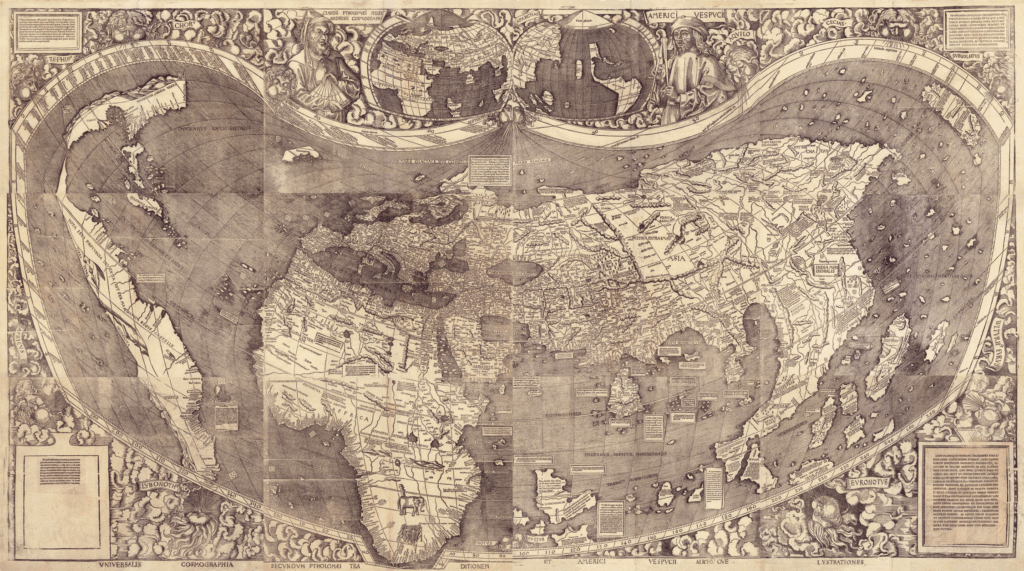 Episode 2 ·
The Age of Discovery
Exploration, maps and the geography of powerCaravels, states, trading companies and maps as instruments of power, set against today’s NewSpace economy and the mapping of the Moon. Who benefits from a discovery?
Coming Monday, November 30, 08:00 CET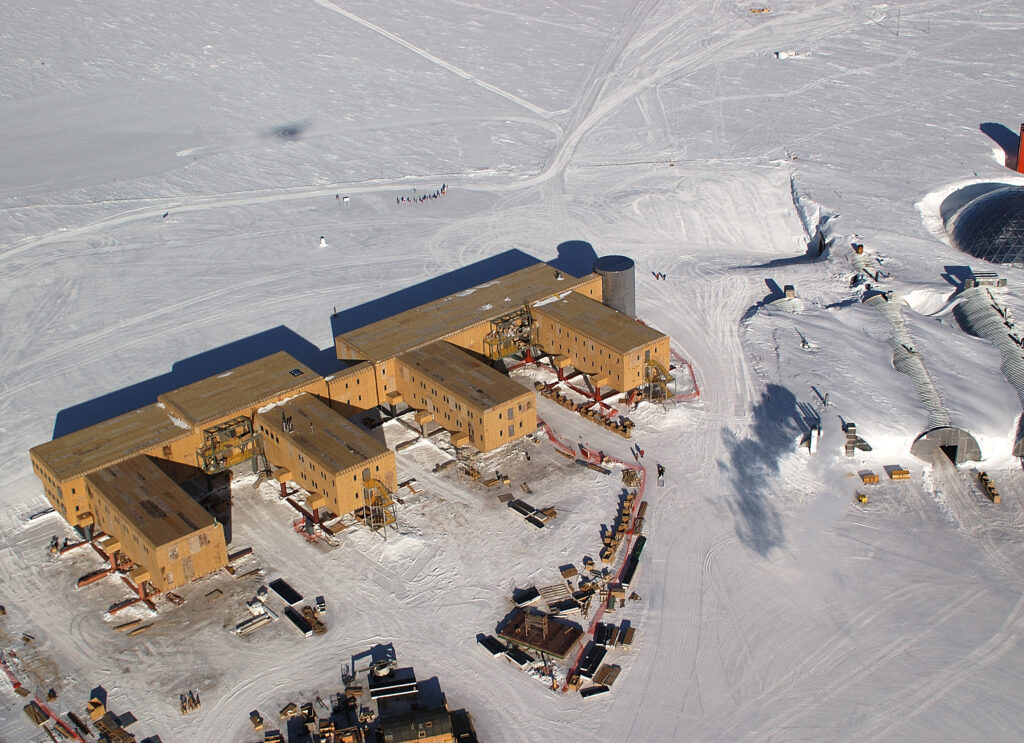 Episode 3 ·
Earth’s Last Frontiers
Extreme environments, international cooperation and the limits of explorationPolar regions, deep oceans and high mountains. How convincing is the comparison between the Antarctic Treaty of 1959 and the Outer Space Treaty of 1967?
Coming Monday, December 7, 08:00 CET Episode 4 ·
From the Moon to Mars
The making of extraterrestrial geographiesWhat changes when the Moon and Mars are read through exogeography, what it takes to turn an outpost into a settlement, and who explores, for whom and under which rules.
Coming Monday, December 14, 08:00 CET
About the series
Giordano wrote the answers in English for The SpaceInfo Club, and we publish them as submitted. The questions come from a shared outline: migrations and the age of discovery, then the polar regions, deep oceans and high mountains, then the Moon and Mars.
How to read it
Every episode page adds a short summary, key takeaways, an FAQ and a list of sources. Those parts are editorial additions by The SpaceInfo Club and are kept separate from the author’s text.

About the author
Alfonso Giordano is a political and economic geographer and demographer with over 25 years of experience studying the relationships between population, environment, territory and political and economic change. He is a Professor at Luiss University in Rome, where he teaches “Climate Change and Environmental Sustainability”; “Demography, Human Rights and Migration”; and “Exogeography, Astropolitics and Space Economy”. He also coordinates SPHERE (Space Policy, Humanities and Exogeography Research Ecosystem) at the Luiss Center for International and Strategic Studies (CISS). His research spans demographic transitions, migration, environmental sustainability and the emerging geographies and governance of human activities beyond Earth.
Frequently asked questions
What is “From Earth to Space”?
A four-episode written series by Prof. Alfonso Giordano for The SpaceInfo Club. It uses the history of terrestrial exploration, from the first human migrations to the last frontiers on Earth, to ask who explores space, for whom and under which rules.
Who is Alfonso Giordano?
A political and economic geographer and demographer, and Professor at Luiss University in Rome. He coordinates SPHERE, the Space Policy, Humanities and Exogeography Research Ecosystem at the Luiss Center for International and Strategic Studies (CISS).
When are the episodes published?
Every Monday at 08:00 CET, from November 23 to December 14, 2026. The newsletter edition follows on Tuesday morning.
Do I need to read the episodes in order?
Each episode stands on its own. The questions do build from early migrations to the Moon and Mars, so reading in order gives the full arc.
What is exogeography?
Exogeography studies the relationship between humans and extraterrestrial environments, including the planning of habitable space on other celestial bodies. Source: Luiss SPHERE.
One episode, in your inbox, on Tuesday
The SpaceInfo newsletter sends each episode the morning after it goes live on the site.
Subscribe to the newsletterImage credits, all via Wikimedia Commons: Earthrise, Apollo 8, NASA/Bill Anders, public domain. Episode 1: Hōkūleʻa in 1976, Phil Uhl, CC BY-SA 3.0. Episode 2: world map by Martin Waldseemüller, 1507, Library of Congress, public domain. Episode 3: Amundsen-Scott South Pole Station, Bill Henriksen, National Science Foundation, public domain. Episode 4: Shackleton crater, LROC and ShadowCam teams, NASA/Arizona State University, public domain. More conversations with space professionals: The Club.