
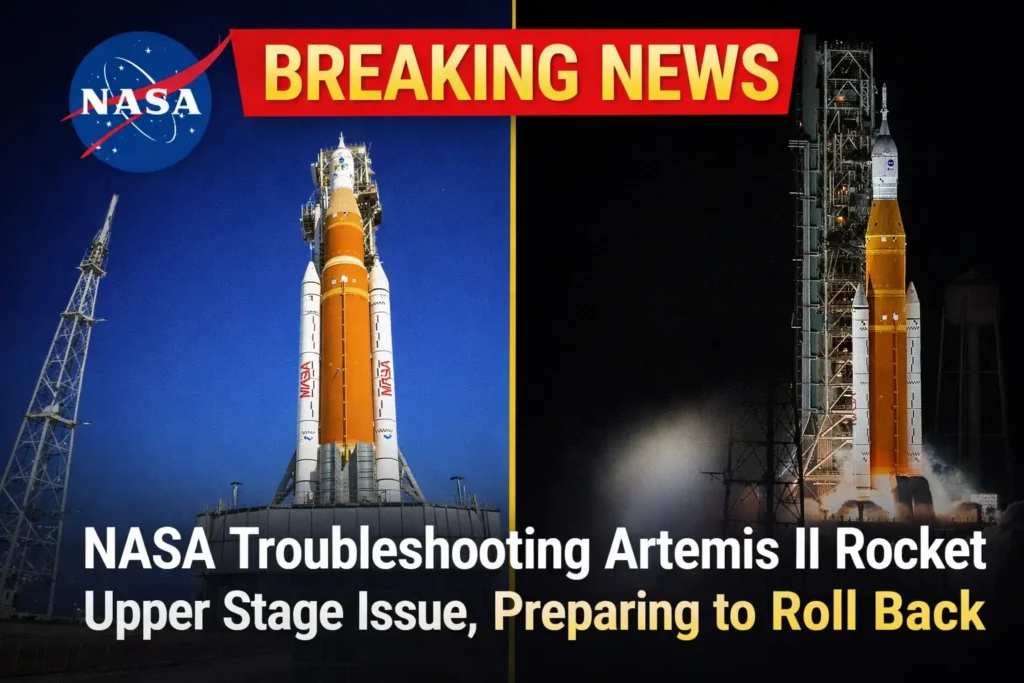
CAPE CANAVERAL, Fla. — In a significant development that could reshape Artemis II’s near-term schedule, NASA announced that engineers are troubleshooting an upper stage helium system issue aboard the Space Launch System (SLS) and are preparing to roll the vehicle and its Orion capsule back to the Vehicle Assembly Building for further inspection. This action would likely eliminate the targeted March 6 launch date within the current window.
Helium Flow Interruption Poses New Challenge
According to NASA, telemetry data revealed an interruption in helium flow to the rocket’s Interim Cryogenic Propulsion Stage (ICPS), the upper stage responsible for sending Orion out of Earth orbit and toward the Moon. Helium is essential for pressurizing propellant tanks and supporting proper engine conditioning prior to ignition. Without stable helium flow, the stage cannot be certified for flight.
Engineers are assessing whether the issue stems from ground-to-vehicle interface hardware, upper stage valves, or associated components within the helium supply system. Because the ICPS sits high atop the SLS stack, detailed troubleshooting and repair access are significantly more practical inside the Vehicle Assembly Building than at the launch pad.
NASA teams have begun retracting pad access structures at Launch Complex 39B in preparation for rollback. Weather considerations, including forecasted winds, are also influencing the timing of the move.

Dallas Campbell to Bring the Story of Space Exploration to Life at Space Park Leicester
UK Space Science Sets Course for 2035: Leicester Event to Shape the Future
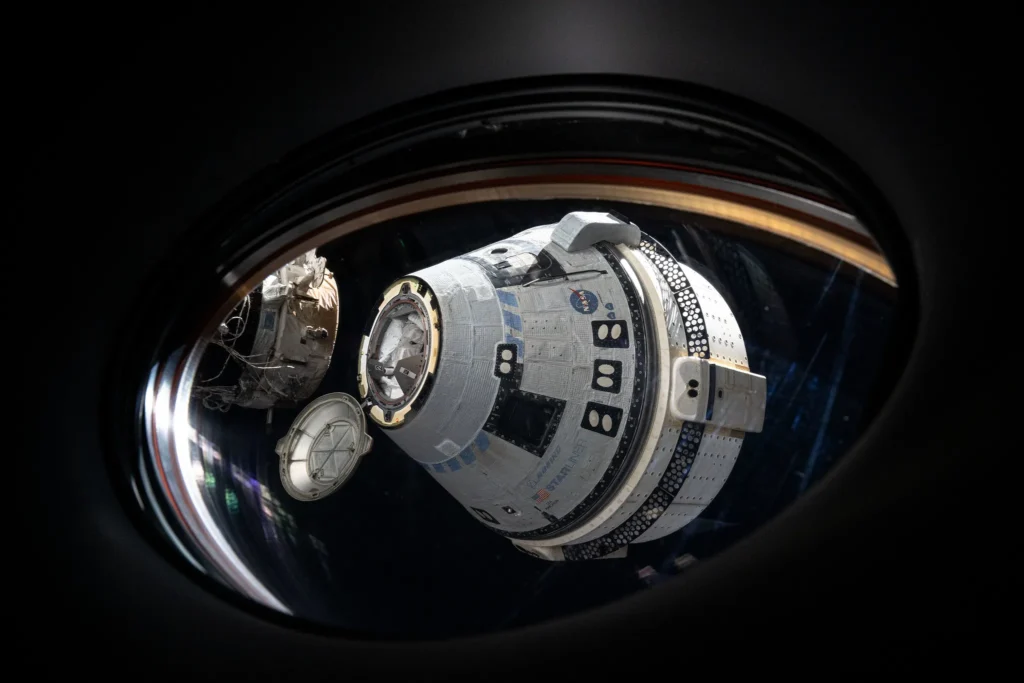
Boeing Starliner – Key Anomalies Analysis
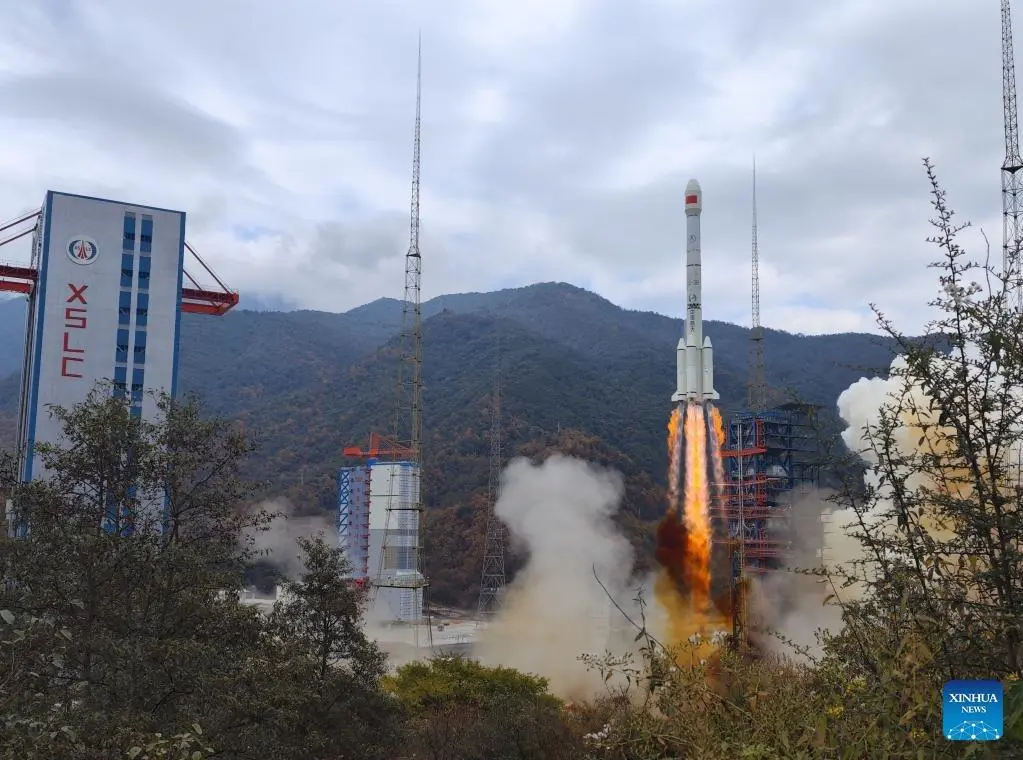
Long March-10: The Rocket That Could Take China to the Moon
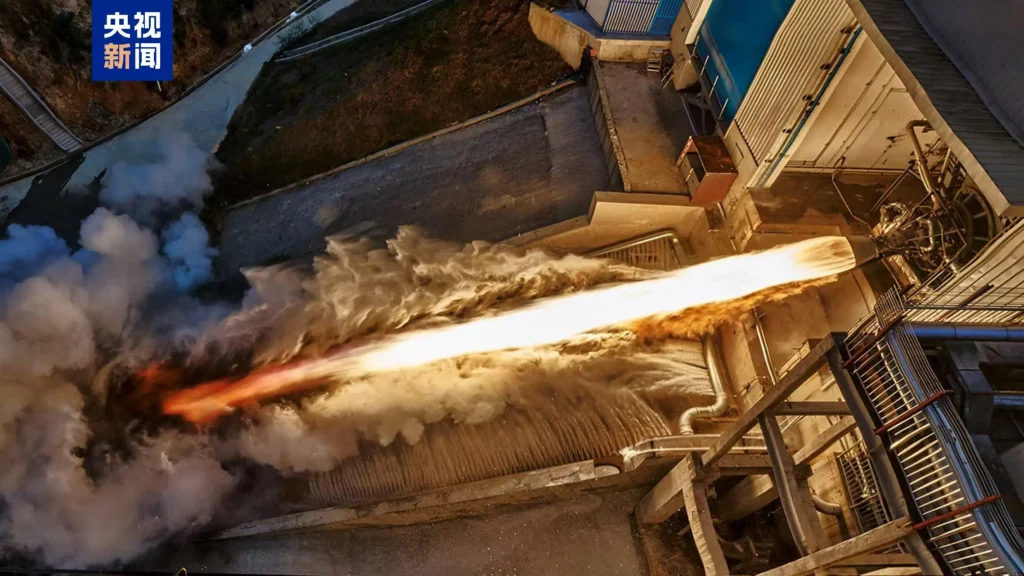
The Liqing-2 Engine: Powering China’s Commercial Reusable Rockets
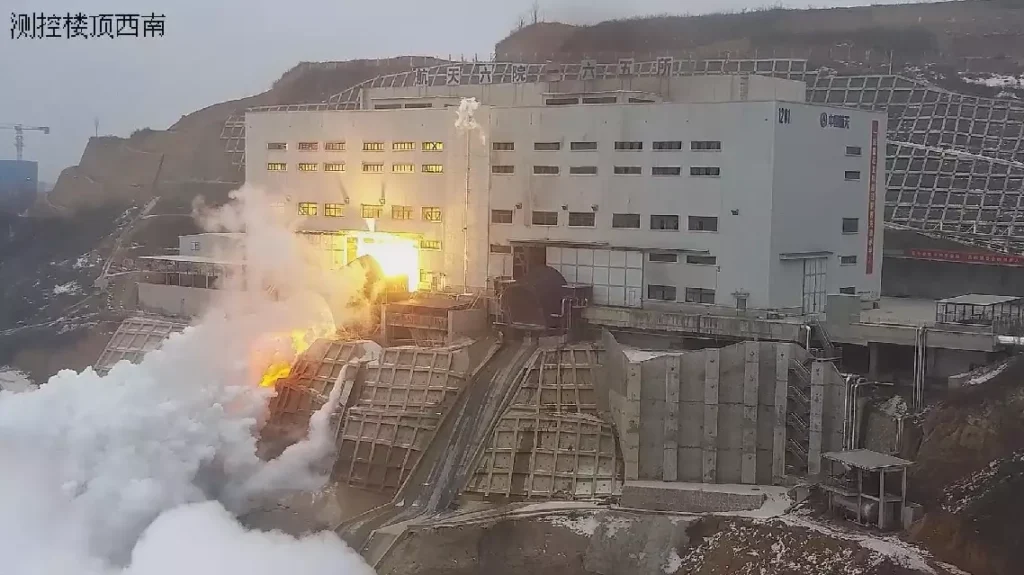
China Tests a 240-Ton Reusable Rocket Engine
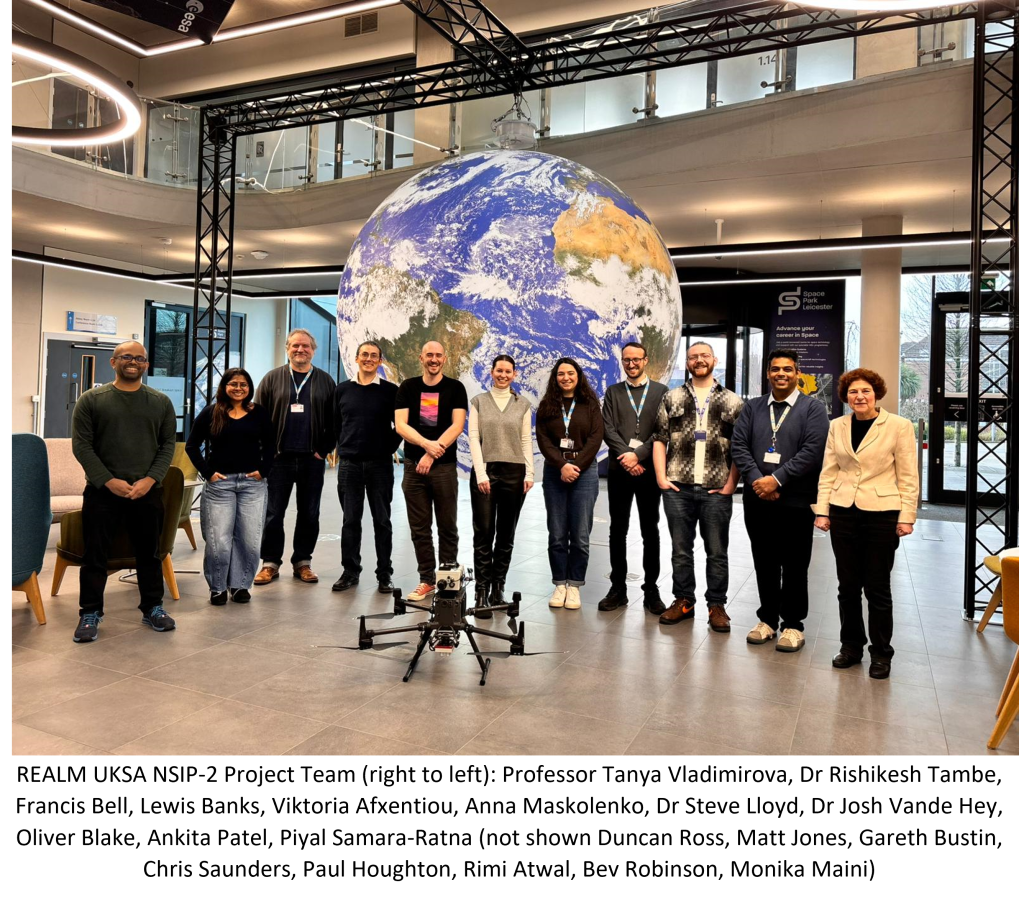
Taking AI to a New REALM: Space-Optimised Machine Learning Comes of Age at Space Park Leicester
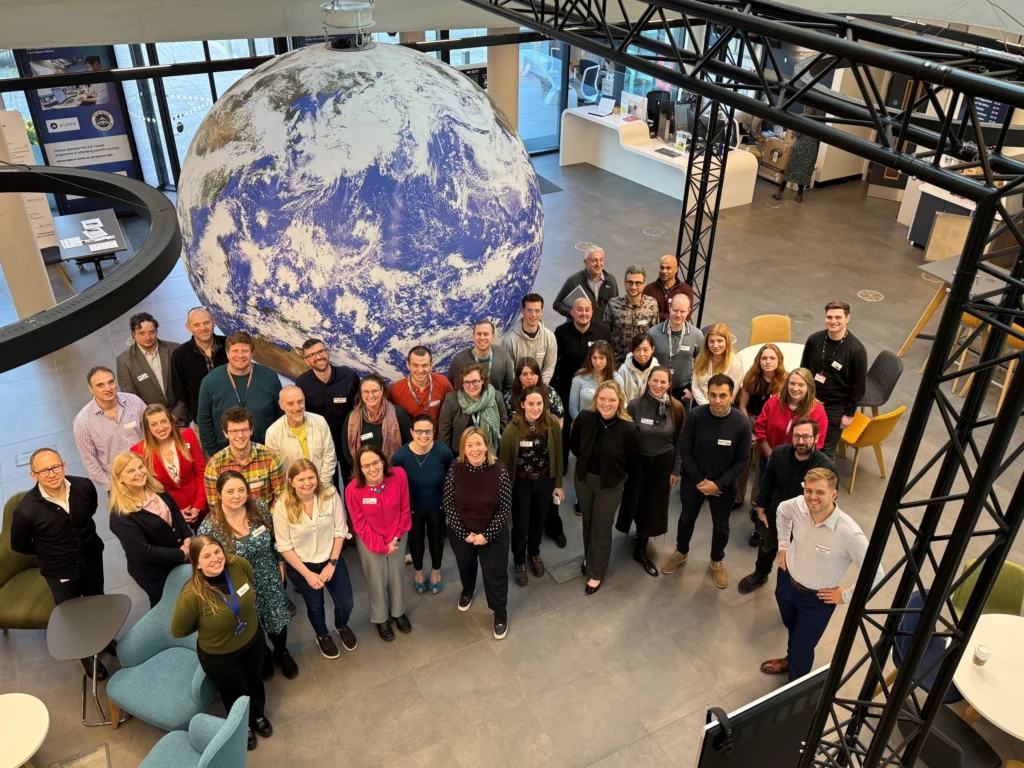
UK Planetary Scientists Discuss Future Mission to Enceladus at Space Park Leicester
Impact on Launch Plans
This announcement comes only days after NASA confirmed a successful wet dress rehearsal and identified March 6 as the earliest possible launch opportunity. A rollback for inspection and repair would almost certainly remove that date from consideration and could shift launch planning into April or later, depending on the scope of corrective work required.
NASA officials emphasized that safety and mission assurance remain the agency’s highest priorities. Data review is ongoing, and a firm revised launch date will be determined only after the helium system is fully evaluated and any necessary repairs are completed.
Recalling the Earlier Hydrogen Leak
The helium issue follows an earlier setback this month involving a liquid hydrogen leak detected during a previous wet dress rehearsal. During that test, hydrogen concentrations exceeded safety limits at the fueling umbilical interface near the rocket’s core stage. The countdown was halted, and NASA subsequently scrubbed the February launch opportunity.
Engineers replaced suspect seals and inspected propellant transfer components before conducting a second rehearsal, which proceeded without major hydrogen leakage and initially restored confidence in a March launch target.
While the hydrogen and helium systems serve different functions — hydrogen as propellant and helium as a pressurizing gas — both are critical to safe and successful SLS operations. The recurring challenges highlight the complexity of managing cryogenic fluids in a vehicle of this scale.
Mission Significance
Artemis II will be the first crewed mission of NASA’s Artemis program and the first human journey beyond low Earth orbit since Apollo. The mission will send four astronauts on a roughly 10-day lunar flyby to validate Orion’s life-support systems, navigation, and deep-space operations ahead of future lunar landing missions.
For now, attention turns to the upcoming rollback and detailed inspection inside the Vehicle Assembly Building. NASA has indicated that additional updates will be provided as troubleshooting progresses and a clearer launch timeline emerges.

Pingback: hello world