Astronomy

Astronomy and Space Telescopes

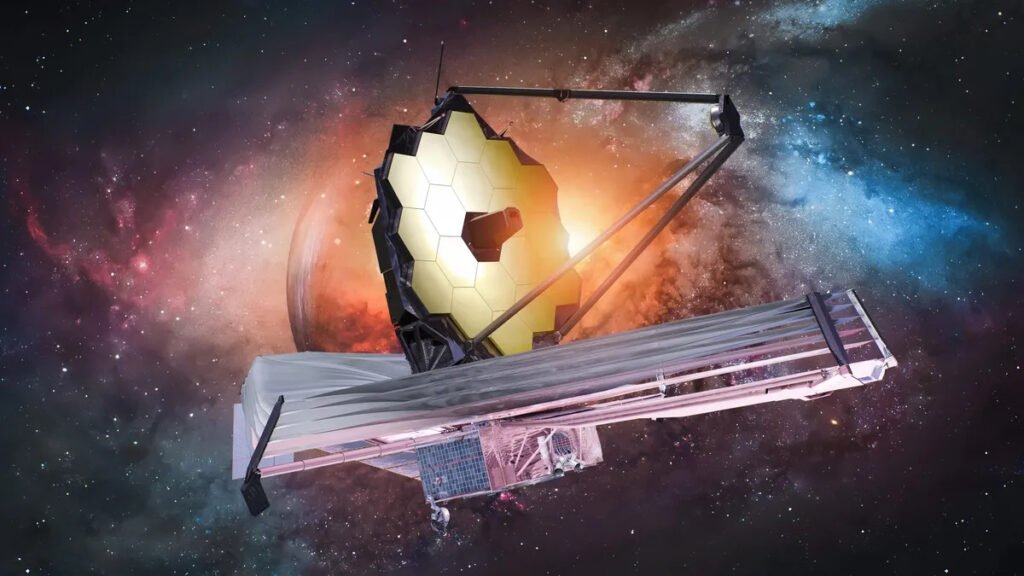
James Webb Space Telescope Getty Images

Why the Universe Needed New Eyes: The Birth of the James Webb Space Telescope

Photo: James Webb Space Telescope by Getty Images 1. A Telescope Built for the Unknown Astronomy periodically reaches moments when its existing tools can no longer keep pace with its questions. By the early 21st century, scientists found themselves at such a turning point. Observations had revealed galaxies forming in the distant past, planets orbiting

Why the Universe Needed New Eyes: The Birth of the James Webb Space Telescope Read More »

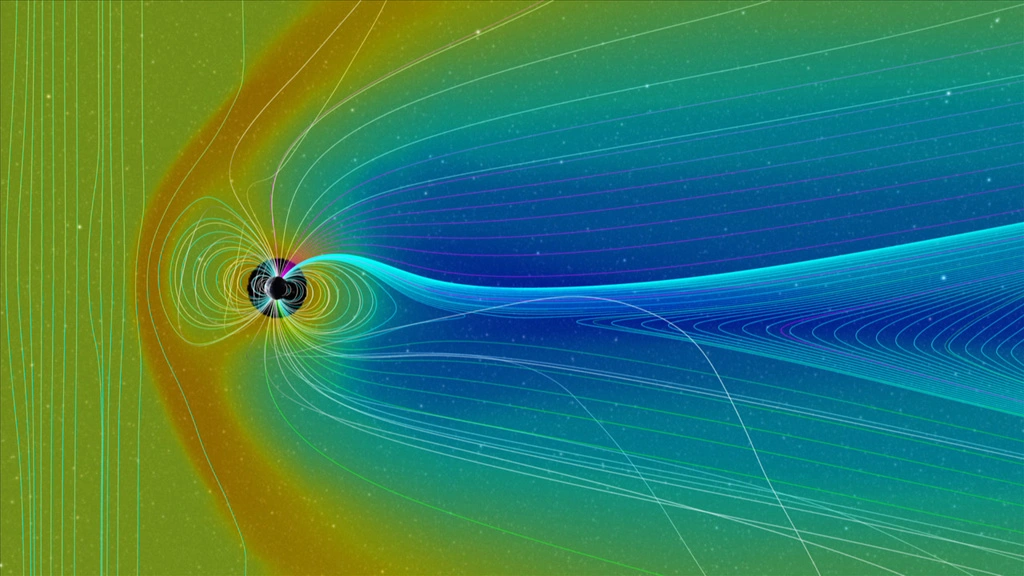
Single Event Effects Solar Weather and Airbus A320 Problems

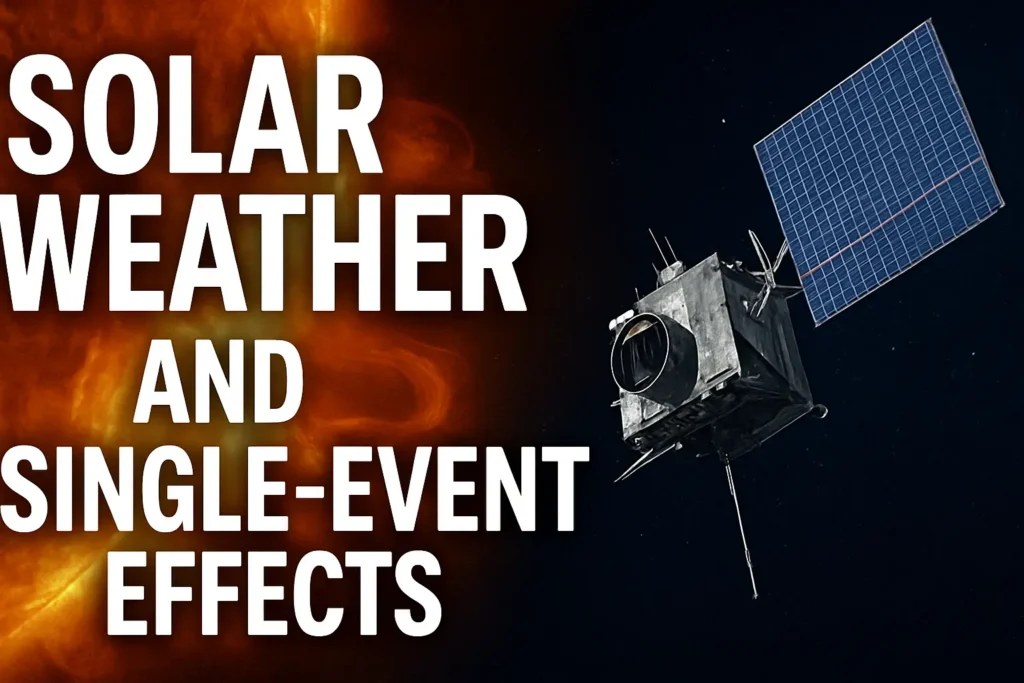
Solar Weather and Single-Event Effects: Why Spacecraft Are on the Front Line of a Growing Cosmic Hazard

Solar activity is rising—and with it, the risk of radiation-driven disruptions to spacecraft electronics. From bit flips to latchups, single-event effects (SEE) are becoming a defining engineering challenge for modern satellite and deep-space missions. As transistor sizes shrink and mission durations grow, resilience to solar weather is no longer optional. This article explores how SEEs occur, their impact on spacecraft, and the technologies designed to keep missions safe.

Solar Weather and Single-Event Effects: Why Spacecraft Are on the Front Line of a Growing Cosmic Hazard Read More »

K2‑18b, Hycean Worlds, and Dimethyl Sulfide

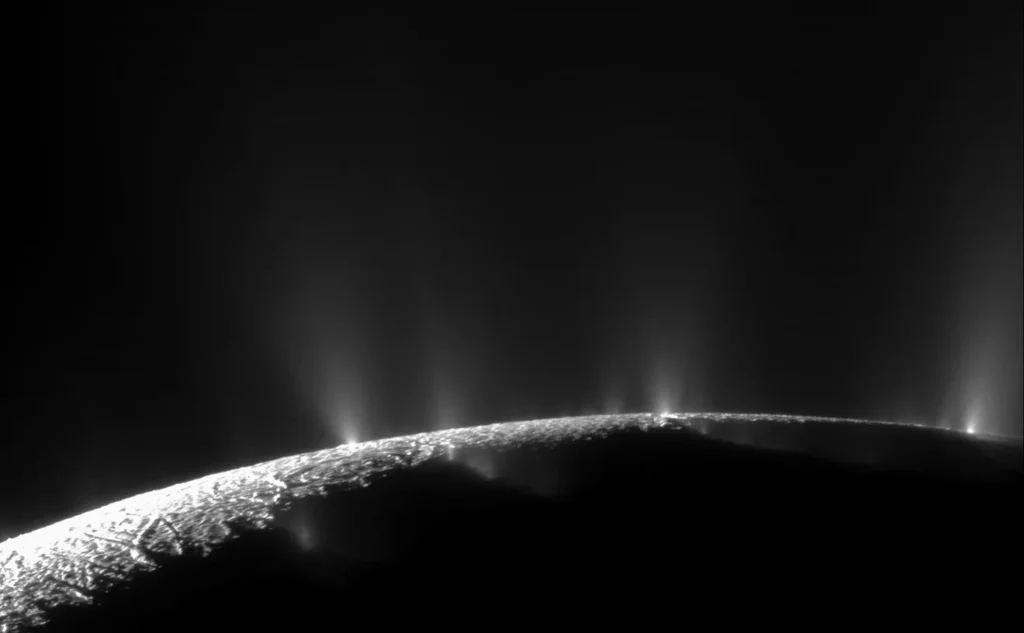
K2‑18b, Hycean Worlds, and Dimethyl Sulfide (DMS): Insights Into Exoplanet Habitability

The discovery and study of exoplanets like K2‑18b have revolutionized our understanding of where life might exist beyond Earth. Among the most promising candidates are Hycean worlds—planets with hydrogen-rich atmospheres and potentially water-covered surfaces. The James Webb Space Telescope (JWST) has provided tantalizing evidence of molecules like methane (CH₄), carbon dioxide (CO₂), and possibly dimethyl

K2‑18b, Hycean Worlds, and Dimethyl Sulfide (DMS): Insights Into Exoplanet Habitability Read More »