

Image of the Week – Andromeda Galaxy
Andromeda M31 – by @thunderAL_Foto
Image of the Week – Andromeda Galaxy Read More »
Home /
Articles About /
Astronomy
From exoplanet discoveries to the instruments redrawing the edge of the observable universe, this is where SpaceInfo Club tracks the science of what we see in the sky — and what’s watching back. Coverage spans deep-sky imaging, planetary science, space telescopes like Webb and Euclid, and the missions hunting for worlds beyond our own solar system.
Reporting draws on conversations with working astrophysicists and mission scientists, including astrophysicist Dr Francesca Faedi (University of Leicester, Orbital Innovation Ltd.), who has contributed to the discovery and characterisation of more than 60 exoplanets. See the full list of astronomers and mission scientists we’ve spoken with.
Also filed under Space Exploration Physics History
Expert lens
Dr Francesca Faedi — Astrophysicist, Lecturer at University of Leicester, contributor to the discovery of 60+ exoplanets.
Andromeda M31 – by @thunderAL_Foto
Image of the Week – Andromeda Galaxy Read More »
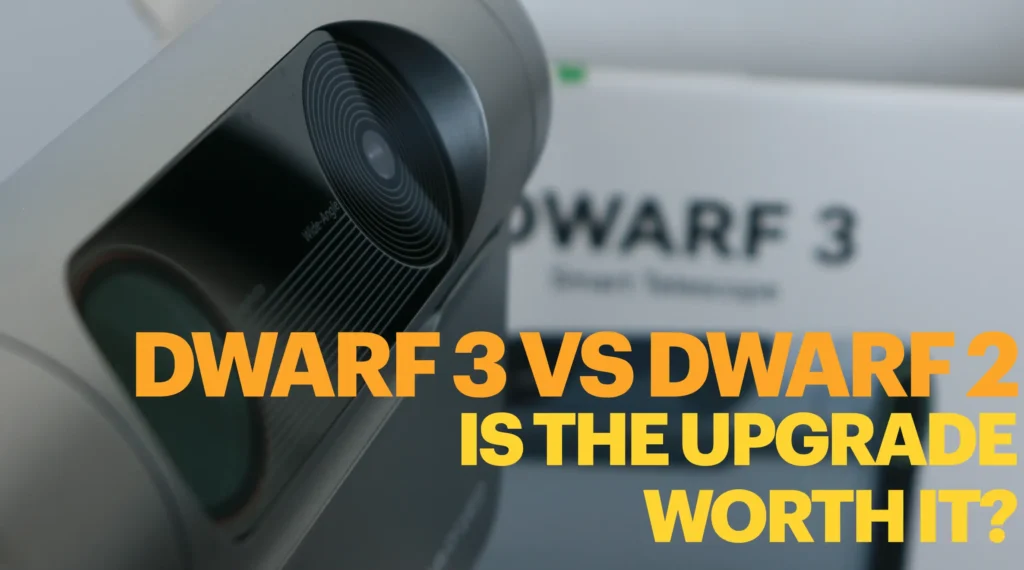
If you’re wondering whether it’s worth upgrading, this guide breaks down the real-world differences, expert reviews, and key performance improvements.
DWARF 3 vs DWARF 2 Smart Telescope: Is the Upgrade Worth It? Read More »

The discovery and study of exoplanets like K2‑18b have revolutionized our understanding of where life might exist beyond Earth. Among the most promising candidates are Hycean worlds—planets with hydrogen-rich atmospheres and potentially water-covered surfaces. The James Webb Space Telescope (JWST) has provided tantalizing evidence of molecules like methane (CH₄), carbon dioxide (CO₂), and possibly dimethyl
K2‑18b, Hycean Worlds, and Dimethyl Sulfide (DMS): Insights Into Exoplanet Habitability Read More »

Despite the limitations, these legendary explorers continue to push the boundaries of human discovery, sending data from the farthest reaches of our solar system
Voyager’s Final Frontier: Why NASA Is Powering Down Instruments in Deep Space Read More »
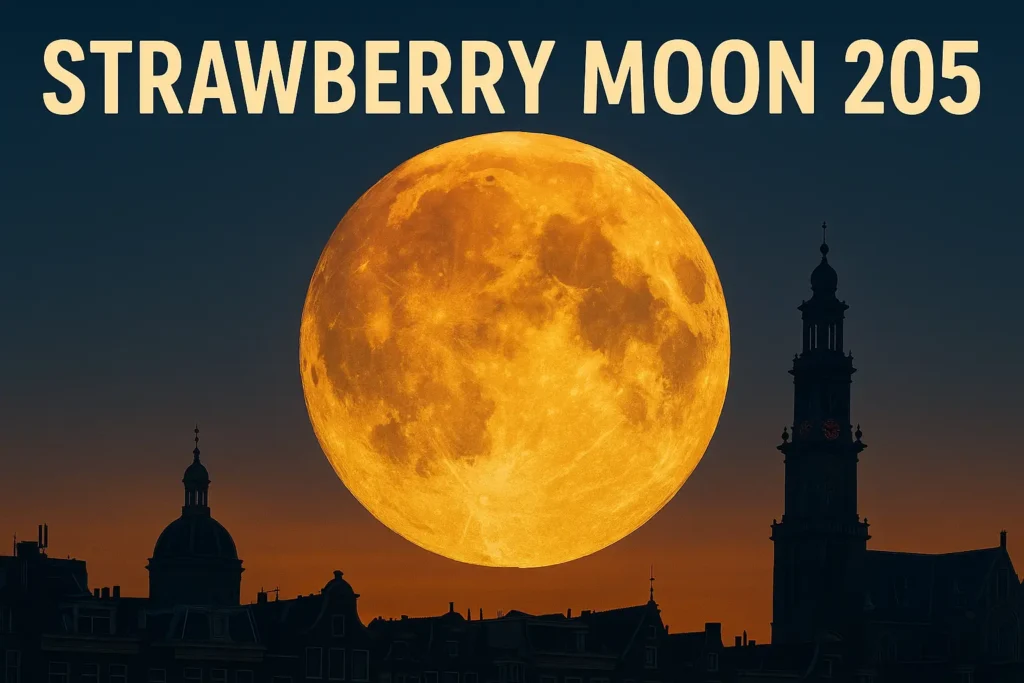
This June, skywatchers across the globe will be treated to a rare and captivating celestial event: the full Strawberry Moon of 2025, set to illuminate the night sky.
The Strawberry Moon of June 2025: A Celestial Spectacle Not to Miss Read More »
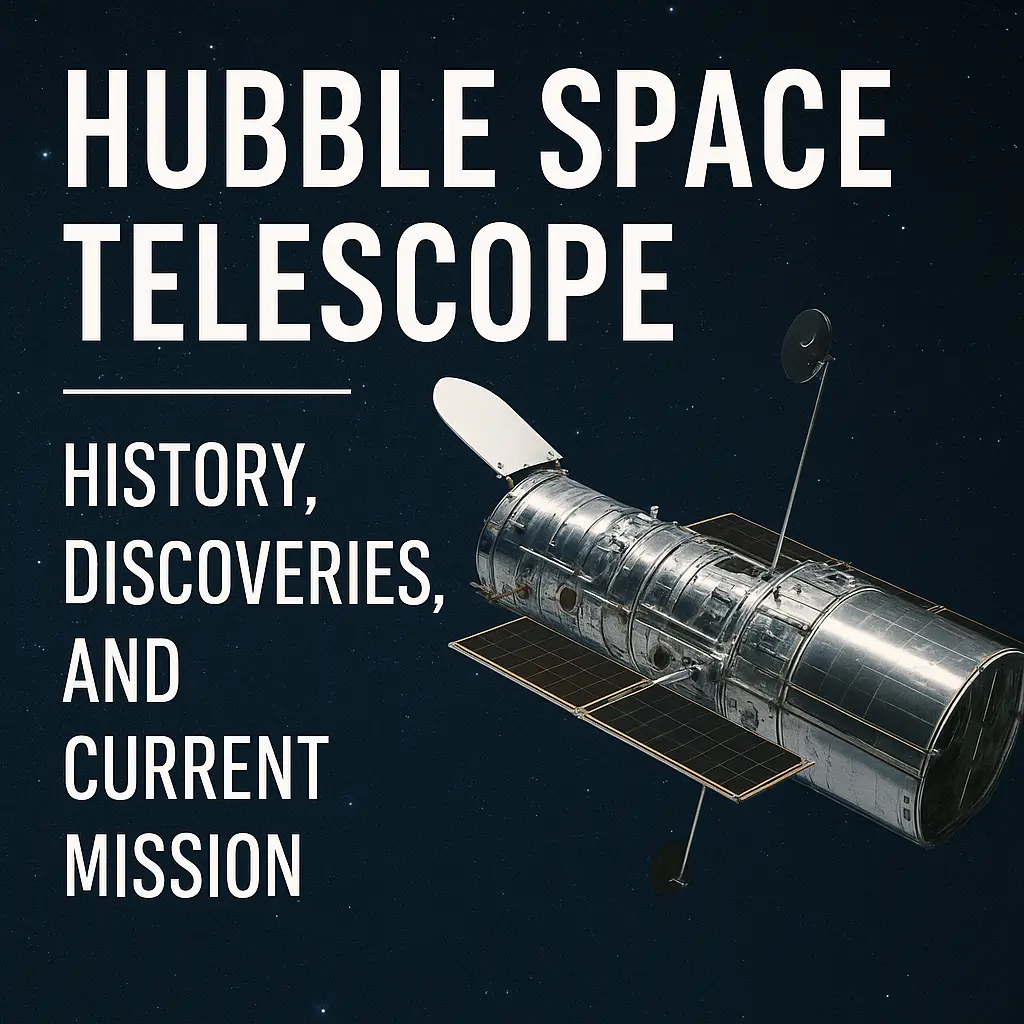
The Hubble Space Telescope (HST) is one of the most celebrated space observatories ever launched, providing extraordinary images and data that have transformed our understanding of the universe. Operated by NASA and the European Space Agency (ESA), Hubble remains active more than three decades after its 1990 launch. It continues delivering cutting-edge science while inspiring