November 5, 2025 | SpaceInfo Club Editorial
Billionaire entrepreneur and private astronaut Jared Isaacman has once again been nominated to lead NASA, in a surprise move that’s already sparking renewed debate over the agency’s future direction and its relationship with the private space industry.
[Cover photo by Reuters]
A Reversal from the White House
On November 4, 2025, President Donald Trump formally announced Isaacman’s re-nomination as NASA Administrator — a reinstatement that follows months of political back-and-forth.
Isaacman’s initial nomination, made in late 2024, was withdrawn in May 2025 amid scrutiny over his political ties and close association with SpaceX founder Elon Musk. Now, the billionaire pilot and founder of Shift4 Payments is back in contention, with confirmation hearings expected to begin in the coming weeks.
The reinstatement underscores a renewed commitment by the administration to pursue a commercially-driven vision for NASA, positioning Isaacman as the architect of what some are calling a new era of public-private space policy.
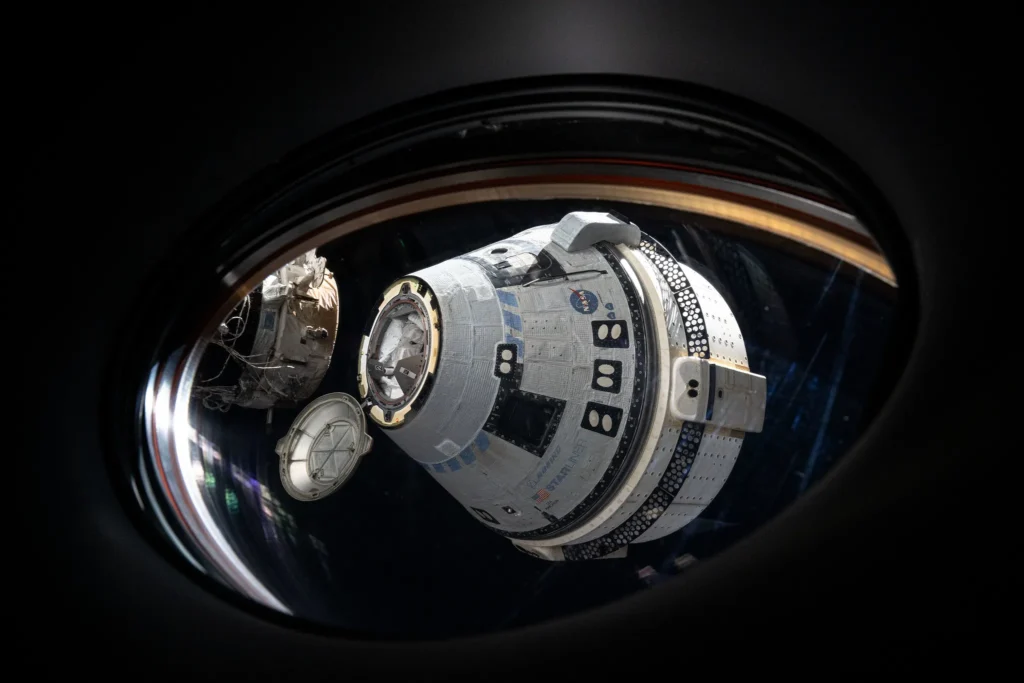
Boeing Starliner – Key Anomalies Analysis
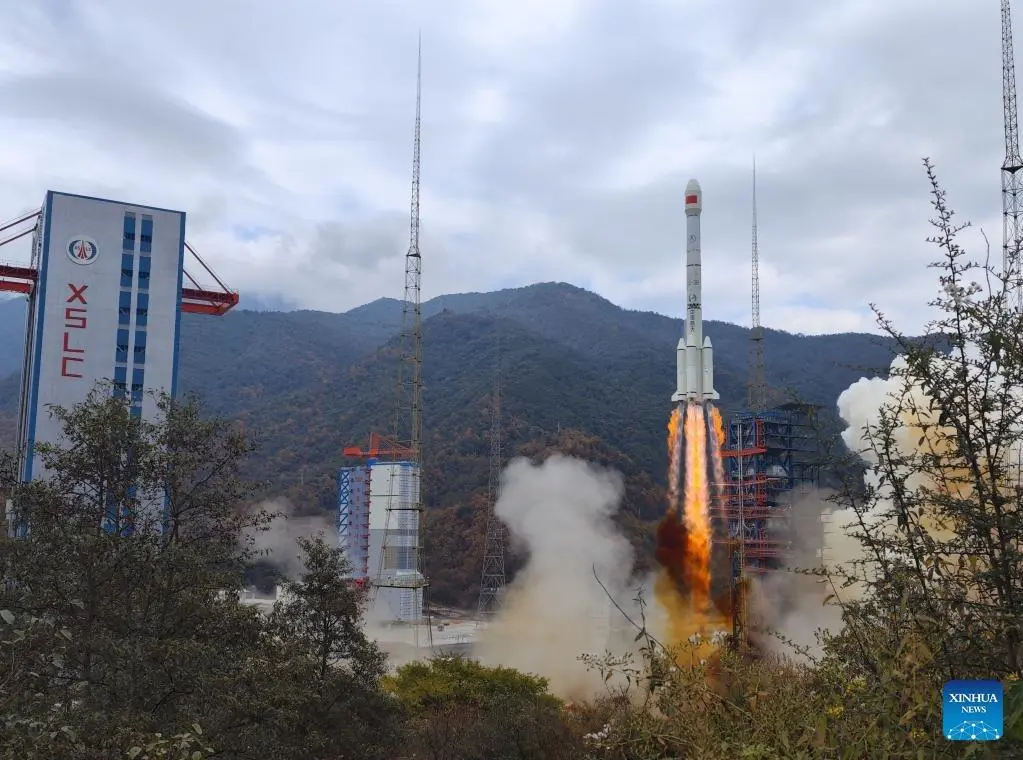
Long March-10: The Rocket That Could Take China to the Moon
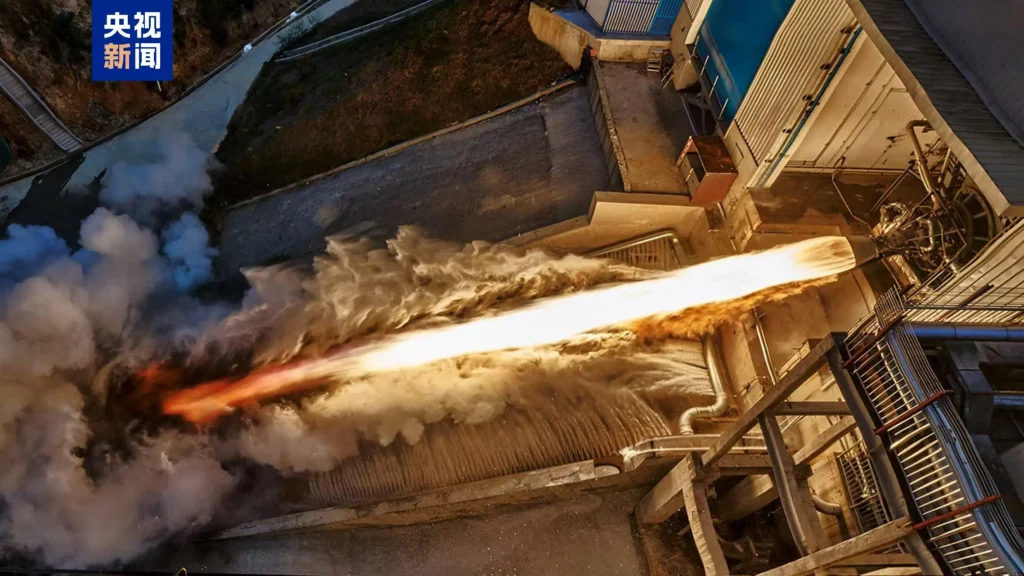
The Liqing-2 Engine: Powering China’s Commercial Reusable Rockets

China Tests a 240-Ton Reusable Rocket Engine

Taking AI to a New REALM: Space-Optimised Machine Learning Comes of Age at Space Park Leicester

UK Planetary Scientists Discuss Future Mission to Enceladus at Space Park Leicester
A New Vision for an Old Institution
According to multiple reports, Isaacman has circulated a confidential document — code-named Project Athena — outlining sweeping reforms to NASA’s structure and mission.
Key themes include:
- Expanding public-private partnerships and outsourcing selected NASA functions.
- Streamlining operations by consolidating research centres.
- Refocusing on human exploration — particularly lunar and Mars missions — while reducing emphasis on traditional Earth science and climate programmes.
Proponents see these proposals as a bold, efficiency-driven modernisation of NASA’s 20th-century bureaucracy. Critics, however, warn that the plan risks eroding the agency’s foundational scientific mission and could create conflicts of interest given Isaacman’s ongoing involvement with private space ventures.
Controversy and Concern
Isaacman’s deep ties to SpaceX — including his role as commander of private missions such as Inspiration4 and Polaris Dawn — raise genuine questions about how NASA would manage contractor-relationships under his leadership.
Questions have arisen regarding how NASA would treat—and regulate—contracts with key private partners if its new leader maintains personal or financial ties to those same entities.
Moreover, the Athena document reportedly proposes trimming or deferring certain Earth-science initiatives, a move that could reshape the balance between exploration and research in NASA’s future budgets. This shift has already prompted alarm from climate scientists and some lawmakers who emphasise the agency’s vital role in monitoring Earth’s systems.
Strategic Implications
If confirmed, Isaacman would become one of the few NASA Administrators without a government or academic background—a stark departure from the tradition of career scientists and engineers leading the agency.
His appointment would likely accelerate:
- Commercialisation of space operations, expanding partnerships with private launch and data providers.
- Human exploration initiatives, with renewed focus on Artemis and Mars programmes.
- Restructuring of NASA management, potentially reducing overlap among centres and shifting toward a leaner, entrepreneurial model.
Observers note that such changes could bring both innovation and instability. A stronger commercial focus may unlock new efficiencies and funding models, but abrupt policy pivots risk delaying or disrupting long-term scientific missions.
Looking Back: Our Recent Evaluation of Sean P. Duffy
In last week’s article, “Sean P. Duffy and NASA – Career, Policy Shifts and the Debate Over the Agency’s Future”, we examined Duffy’s tenure as Acting Administrator of NASA and offered a critical evaluation of the path he set for the agency.
Our key findings included:
- Duffy emphasised accelerating lunar and Mars exploration, while signalling reductions in Earth-science and climate-monitoring programmes.
- His corporate background and outside-the-agency profile introduced new dynamics into NASA’s leadership structure, raising questions about institutional continuity and oversight.
- We noted potential risks: mission disruption, contract realignment, and internal morale concerns within the agency’s scientific and engineering workforce.
- Our conclusion: Duffy’s approach may have sown the seeds of transformation—but left many questions unanswered about budgetary trade-offs, stakeholder buy-in and long-term strategic consistency.
Given this context, Isaacman’s nomination can now be viewed as a potential continuation or amplification of that trend: from Duffy’s short-term pivot to Isaacman’s broader overhaul blueprint. Stakeholders who followed our earlier evaluation will find clear thematic continuity—but also a heightened scale of change.
What Happens Next
Isaacman still must clear Senate confirmation, where lawmakers are expected to question his plans for NASA’s budget, transparency, and ethical safeguards. Acting Administrator Duffy will continue to lead the agency until the process concludes.
Regardless of the outcome, Isaacman’s return to the spotlight marks a pivotal moment for U.S. space policy—a test of whether NASA’s next chapter will be defined by entrepreneurial energy, institutional reform, or renewed controversy.