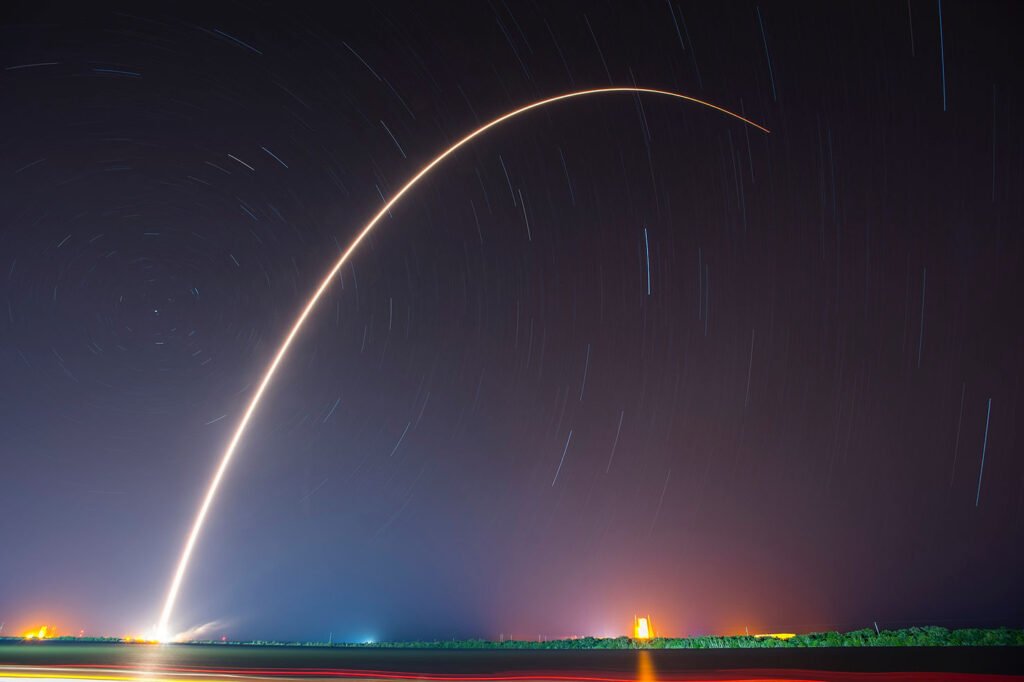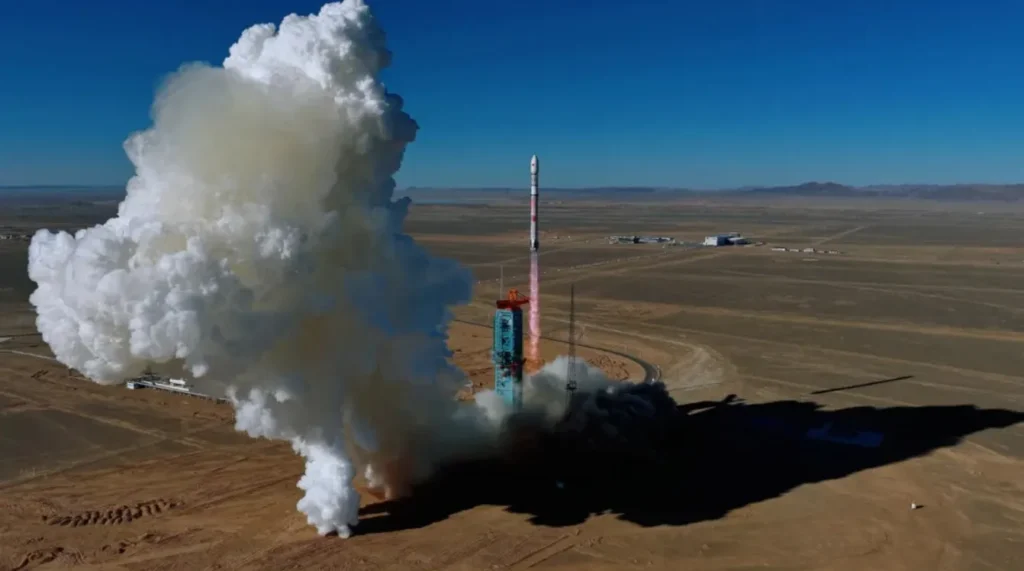
China’s space industry witnessed a dramatic yet significant milestone when the Zhuque-3 rocket—developed by private aerospace company LandSpace—lifted off for its debut flight. Although the mission reached orbit successfully, the attempt to recover the first-stage booster ended in an explosion moments before touchdown. Despite the visual setback, the launch marks a historic step in China’s journey toward reusable launch systems and high-cadence orbital access.
A Successful Start: Reaching Orbit on First Attempt
UK Space Science Sets Course for 2035: Leicester Event to Shape the Future
Boeing Starliner – Key Anomalies Analysis
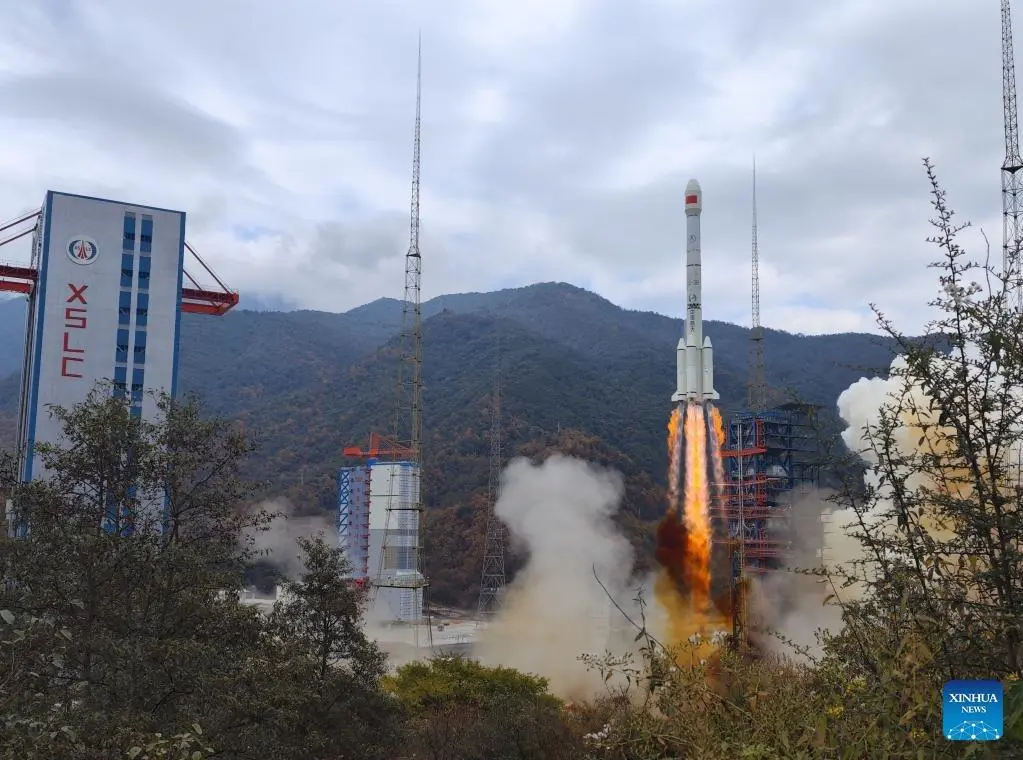
Long March-10: The Rocket That Could Take China to the Moon
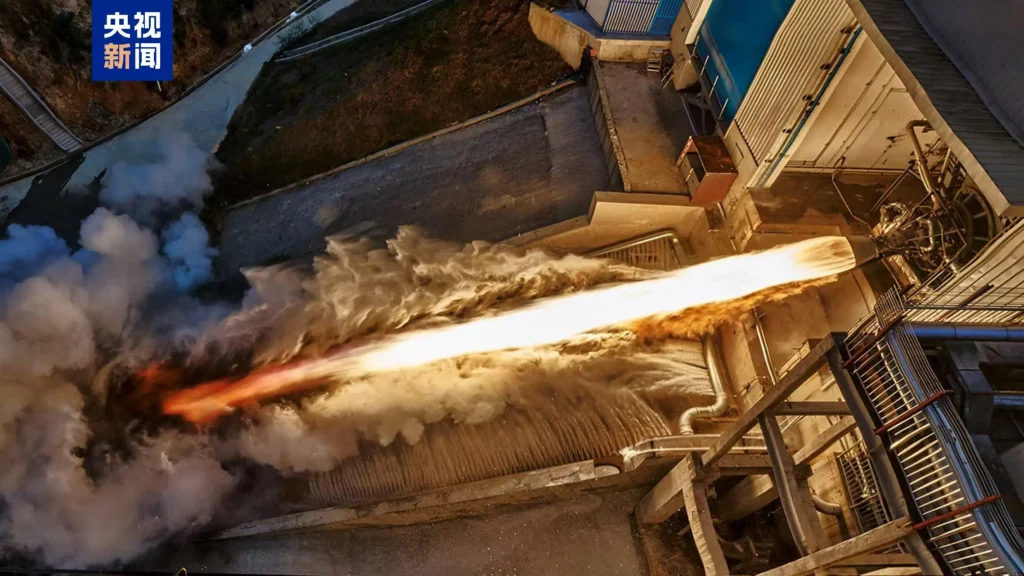
The Liqing-2 Engine: Powering China’s Commercial Reusable Rockets
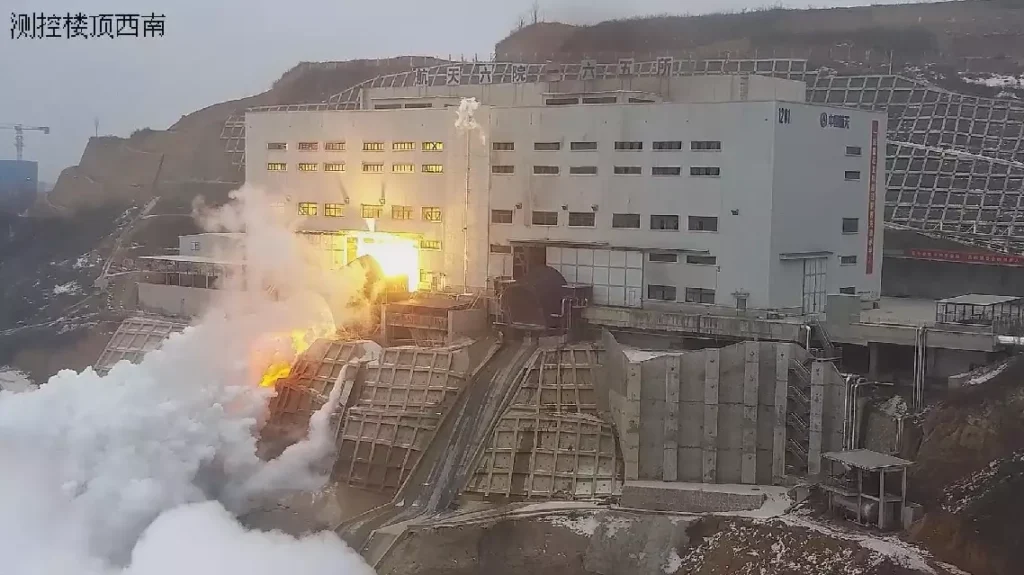
China Tests a 240-Ton Reusable Rocket Engine
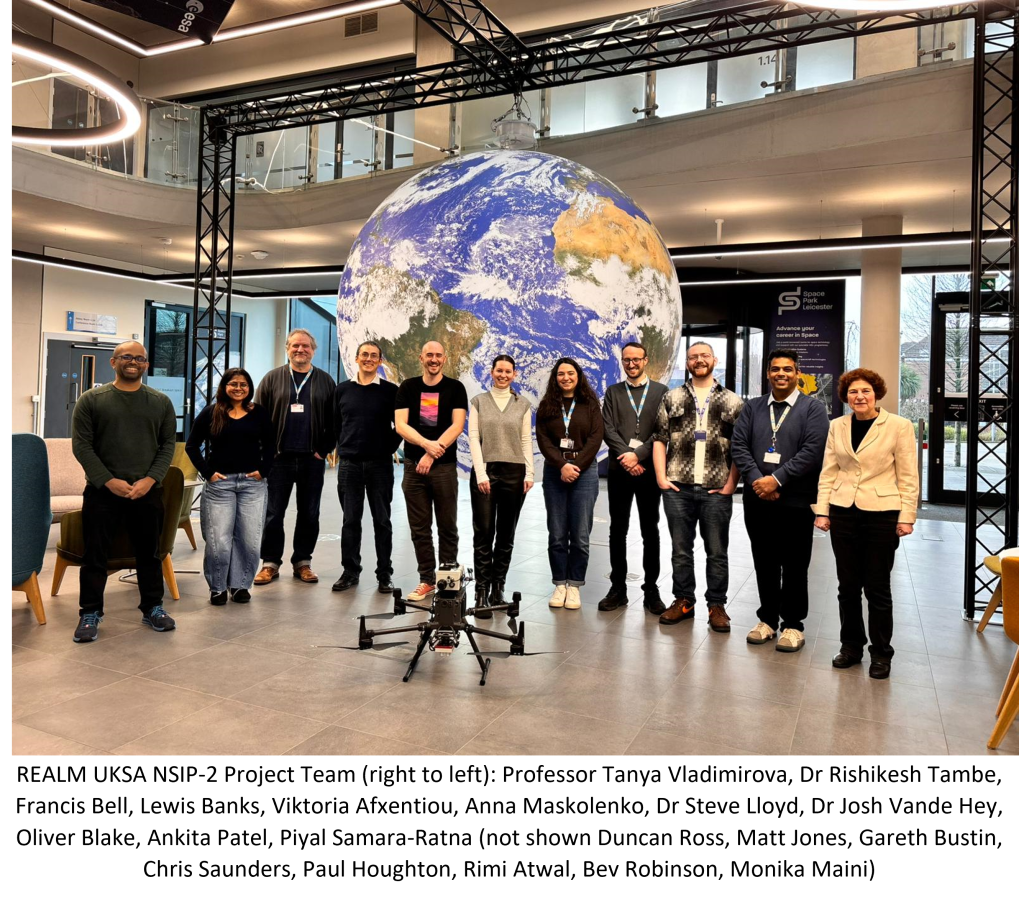
Taking AI to a New REALM: Space-Optimised Machine Learning Comes of Age at Space Park Leicester
Zhuque-3 launched from the Jiuquan Satellite Launch Center, located in northwestern China, with a mission profile that closely resembles modern reusable-rocket systems. The two-stage launcher is powered by methane-oxygen engines and built primarily from stainless steel—design choices that favor reusable architecture, thermal durability, and long-term operational efficiency.
During ascent, everything performed as expected. The rocket’s second stage separated cleanly and inserted its payload into low-Earth orbit, proving that the propulsion, staging, and guidance systems function properly. For a first-flight attempt, achieving orbit is a major accomplishment that many private launch providers historically struggle to reach.
The Critical Failure: Booster Landing Ends in Fireball
After separation, the first stage executed a controlled descent sequence designed to bring it back for a vertical landing. The booster reignited engines for a deceleration burn, steered toward the designated landing pad, and aligned itself for touchdown.
Then came the failure.
Just seconds before landing, an unexpected combustion anomaly caused the booster to ignite uncontrollably, resulting in a dramatic explosion. The vehicle impacted the ground near its target zone, destroying the stage that was meant to be recovered intact.
Although visually disastrous, the booster reached the landing area with high precision, meaning structural and guidance systems likely performed correctly. The failure appears to have occurred at the final stage of the landing burn—one of the most difficult parts of reusability to perfect.
Why This Matters: China Enters the Reusability Race
The Zhuque-3 mission represents far more than a crash landing:
1. Proof of orbital capability
LandSpace demonstrated that its heavy-lift system can reach space, validating its propulsion, structural design, and mission-control architecture.
2. First near-successful recovery attempt
China has tested reusable prototypes before, but never on an orbital-class vehicle returning from space with real atmospheric re-entry stresses.
3. A new era for commercial launch services
Zhuque-3 aims to enter the same performance class as leading reusable systems worldwide, positioning China’s commercial space sector as a direct competitor in the global launch market.
4. Reduced launch costs in the future
Reusability is key to:
- high-frequency satellite deployment,
- large-scale constellation support,
- flexible launch scheduling,
- lower-cost access to low-Earth orbit.
Zhuque-3: The Technology at a Glance
- Methalox engines for cleaner combustion and better reusability
- Stainless-steel body structure for improved thermal resistance during re-entry
- Landing legs, grid fins, and reaction-control thrusters integrated into the booster
- Return-to-pad landing profile, not splashdown recovery
The design closely aligns with next-generation launch philosophies: build it stronger, make it fly more than once, and reduce manufacturing cycles between flights.
What Comes Next for LandSpace and Zhuque-3
The maiden flight generated extensive real-world data on engine restart behavior, structural loads during descent, fuel-consumption profiles, and landing-guidance performance. While the loss of the booster was a setback, engineering-validated designs rarely succeed on their first attempt.
In upcoming launches, improvements will likely target:
- better combustion-stability management during landing burns,
- strengthened propulsion insulation at low-throttle regimes,
- refined software logic for engine restart sequencing,
- thermal protection adjustments for booster re-entry stability.
Additionally, multiple Zhuque-3 units are reportedly already under assembly, which suggests rapid iteration and repeated testing—an approach that historically precedes breakthroughs in reusable launch systems.
A Bold Start for Reusable Spaceflight in China
Although the landing ended in flames, Zhuque-3’s maiden flight is arguably one of the most meaningful steps in China’s commercial launch industry to date. Achieving orbit on the first attempt is rare. Attempting recovery on the same mission is even rarer. Coming seconds away from a successful booster landing places China extremely close to joining the handful of nations—and companies—capable of reusable spaceflight.
As future flights refine performance, Zhuque-3 could transform into a reusable launch platform capable of frequent, lower-cost missions. When that happens, the impact will extend beyond engineering success: it will accelerate satellite deployment, strengthen global competitiveness, and reshape how commercial space services operate in the region.
Sometimes progress comes wrapped in fire and smoke—and Zhuque-3’s explosive ending may prove to be the beginning of something much bigger.