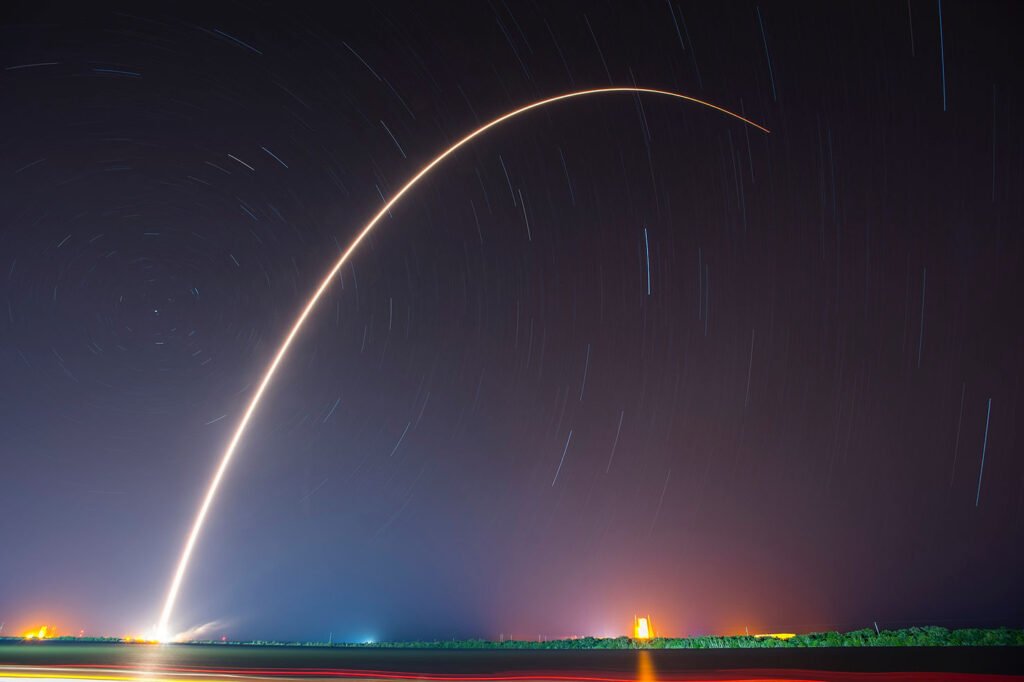
In a landmark achievement, the space startup Starcloud has successfully trained an AI model in Earth orbit, signaling the arrival of space-based computing as a real and emerging industry.
Backed by Nvidia, Starcloud’s mission represents the first practical step toward moving powerful AI workloads off Earth and into space.
Training an AI Model Above Earth
The experiment took place aboard Starcloud’s first demonstration satellite, equipped with a high-performance Nvidia H100—a processor normally found inside the world’s most advanced terrestrial data centers. Instead of operating inside a warehouse filled with cooling pipes and power lines, this GPU ran in the vacuum of space, circling the planet at thousands of kilometers per hour.
While in orbit, the system completed real AI training and inference tasks, proving that modern machine-learning workloads can function reliably beyond Earth’s atmosphere. This wasn’t just a simulation or a simplified test—it was genuine AI computation happening in space.

UK Space Science Sets Course for 2035: Leicester Event to Shape the Future
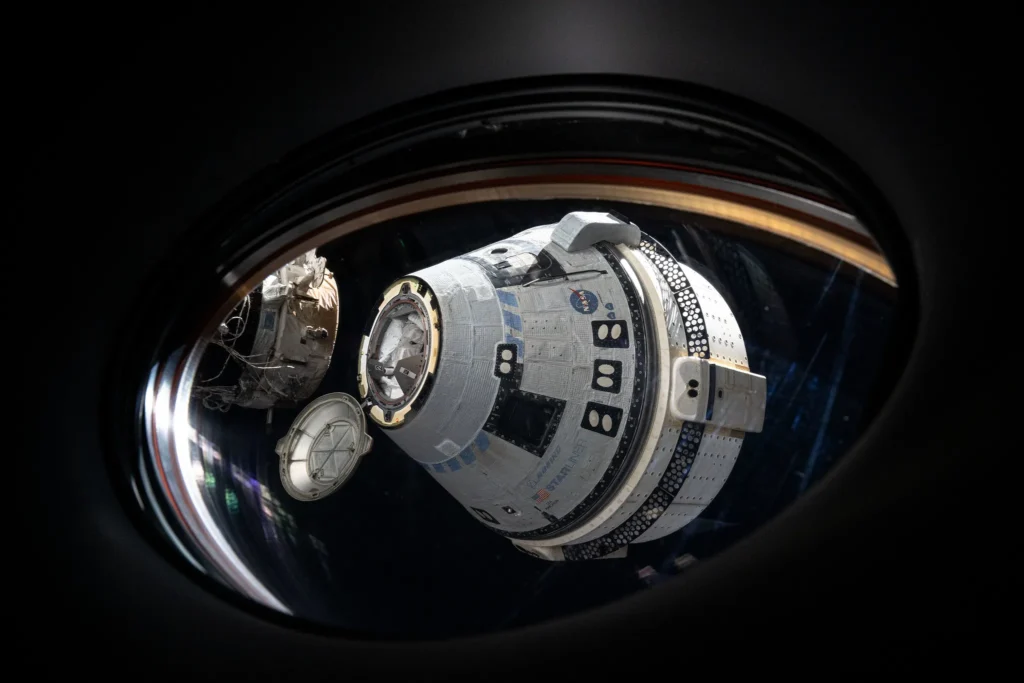
Boeing Starliner – Key Anomalies Analysis
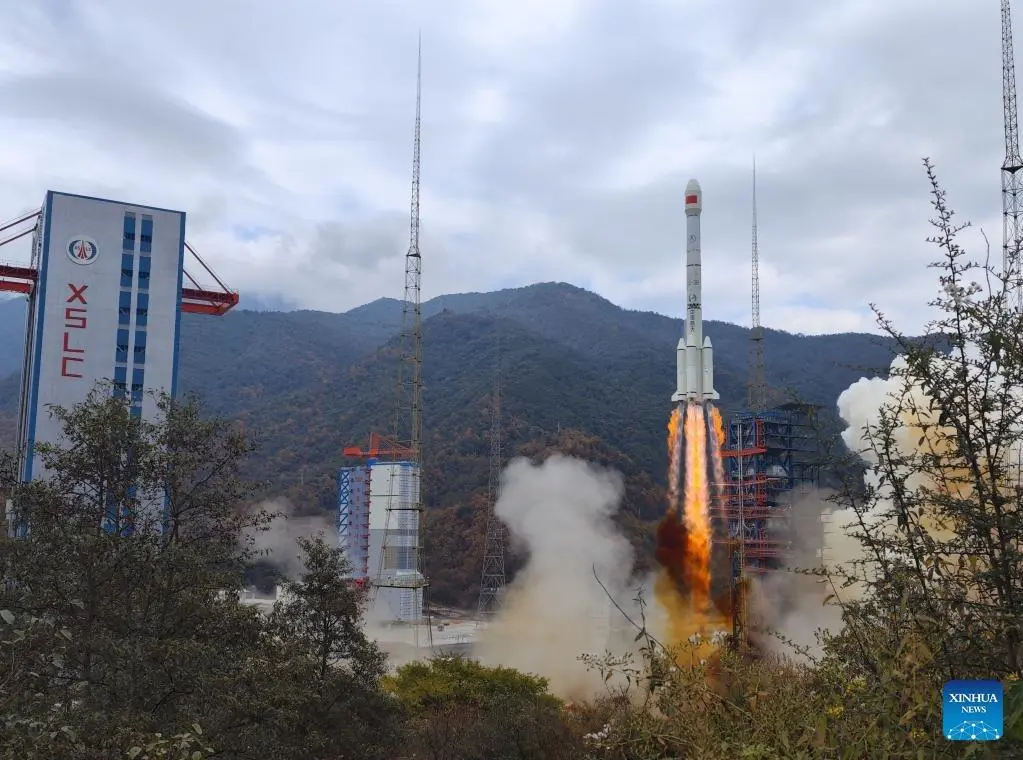
Long March-10: The Rocket That Could Take China to the Moon
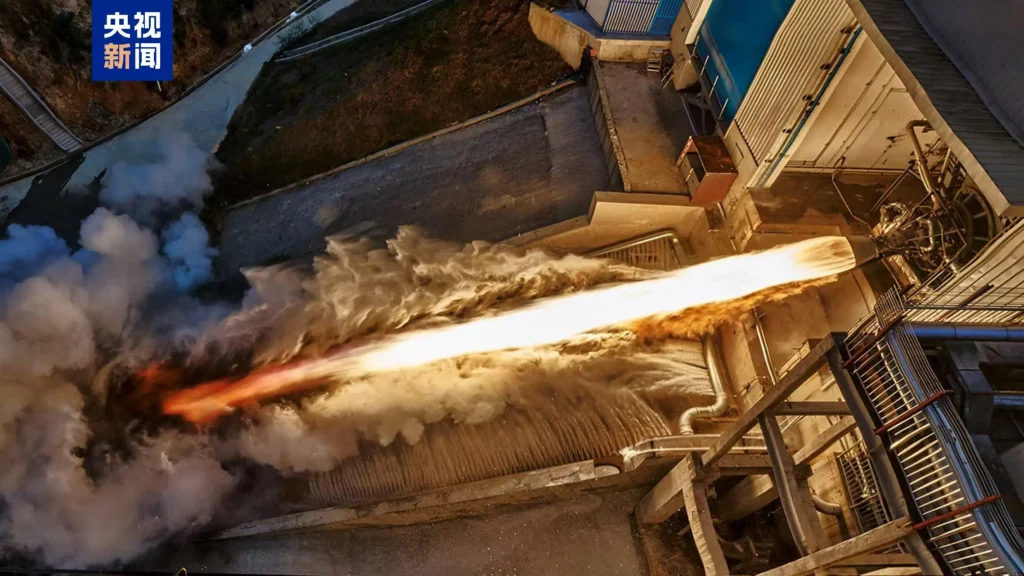
The Liqing-2 Engine: Powering China’s Commercial Reusable Rockets

China Tests a 240-Ton Reusable Rocket Engine
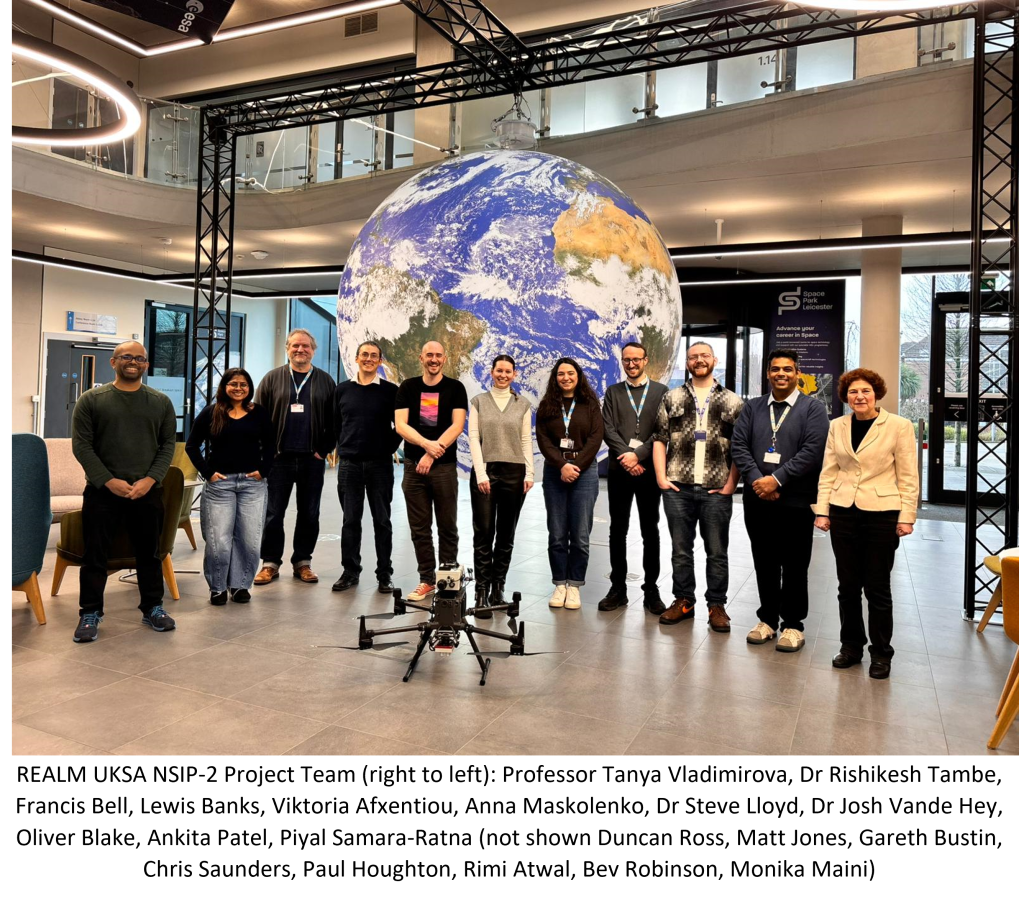
Taking AI to a New REALM: Space-Optimised Machine Learning Comes of Age at Space Park Leicester
Why Put AI in Orbit?
At first glance, sending data centers into space sounds extreme. But the logic becomes clearer when you consider the growing strain AI places on Earth’s infrastructure.
Space offers several unique advantages:
- Abundant solar energy
Satellites can harvest near-constant sunlight, turning orbit into a natural renewable power source for energy-hungry AI systems. - Natural thermal management
In space, heat can be radiated away without the massive cooling systems required on Earth, potentially improving efficiency. - Room to scale
Orbital platforms are not limited by land availability, water resources, or local power grids, opening the door to far larger computing installations.
By shifting some computation off-planet, space-based AI could eventually reduce pressure on Earth’s energy systems while enabling entirely new applications.
What Space-Based AI Could Enable
Orbital computing isn’t just about efficiency—it could change how we use AI altogether. Future space-based AI platforms could:
- Analyze Earth-observation data in real time, directly in orbit
- Support climate monitoring and disaster response with faster insights
- Power deep-space missions that require autonomous decision-making
- Serve as off-world infrastructure for increasingly compute-intensive models
Instead of sending raw data back to Earth, satellites could process information themselves, transmitting only the most valuable results.
Challenges on the Path Forward
Despite the promise, space-based AI is still in its infancy. Radiation, extreme temperatures, orbital debris, and launch costs all pose serious engineering challenges. Hardware must be hardened, systems must be autonomous, and long-term sustainability in orbit must be carefully managed.
Yet Starcloud’s success shows that these obstacles are no longer theoretical—they are engineering problems actively being solved.
A New Era of Computing
The successful training of an AI model in orbit marks a turning point. Computing is no longer confined to Earth’s surface. As AI continues to grow in scale and importance, space may become an essential extension of our digital infrastructure.
What once belonged to science fiction—thinking machines circling the planet, powered by sunlight and cooled by the vacuum of space—is now firmly entering reality. For the space community, this moment signals the beginning of a new frontier: intelligence beyond Earth. 🚀