
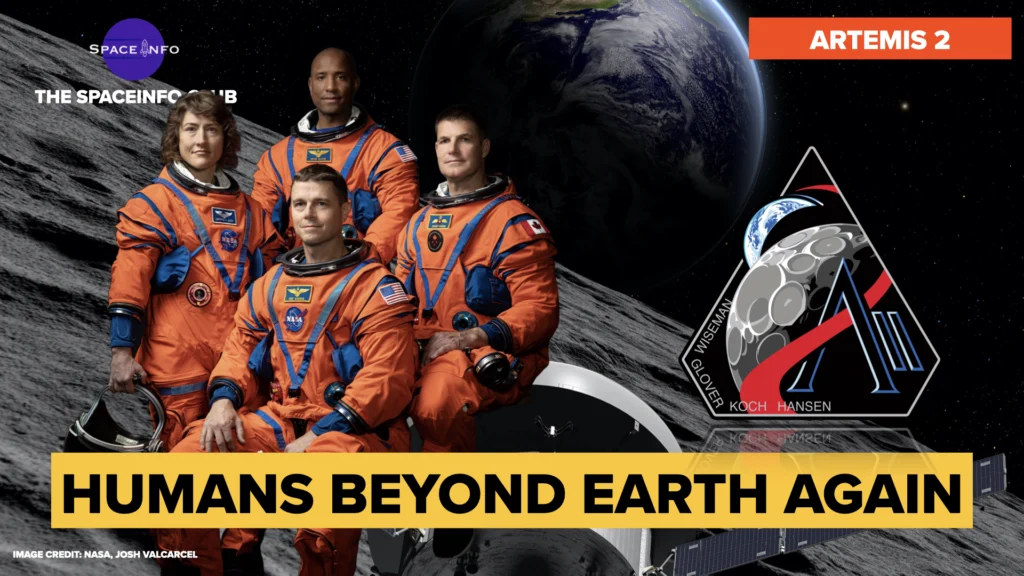
Artemis II: What’s about
NASA’s Artemis II mission marks a historic step toward returning humans to the Moon—and going beyond.
Artemis II: What’s about Read More »
Home /
Articles About /
Humans in Space
From the physiological toll of long-duration missions to the voices guiding astronauts safely home, this is where SpaceInfo Club tracks what it actually takes for people to live and work beyond Earth. Coverage spans crewed missions like Artemis, the science of space radiation, and the training, medicine and mission-control expertise that keep astronauts alive.
Reporting draws on conversations with the scientists and mission specialists behind that expertise, including astrophysicist Dr Francesca Faedi (University of Leicester, Orbital Innovation Ltd.), who studies the effects of space radiation on the human body. See the full list of astronomers and mission scientists we’ve spoken with.
Also filed under Space Exploration History Physics
Expert lens
Dr Francesca Faedi — Astrophysicist, Lecturer at University of Leicester, contributor to the discovery of 60+ exoplanets.
See her story →
Dr Stanley G Love — NASA astronaut, lead CAPCOM for the Artemis II mission.
Read his story →
NASA’s Artemis II mission marks a historic step toward returning humans to the Moon—and going beyond.
Artemis II: What’s about Read More »
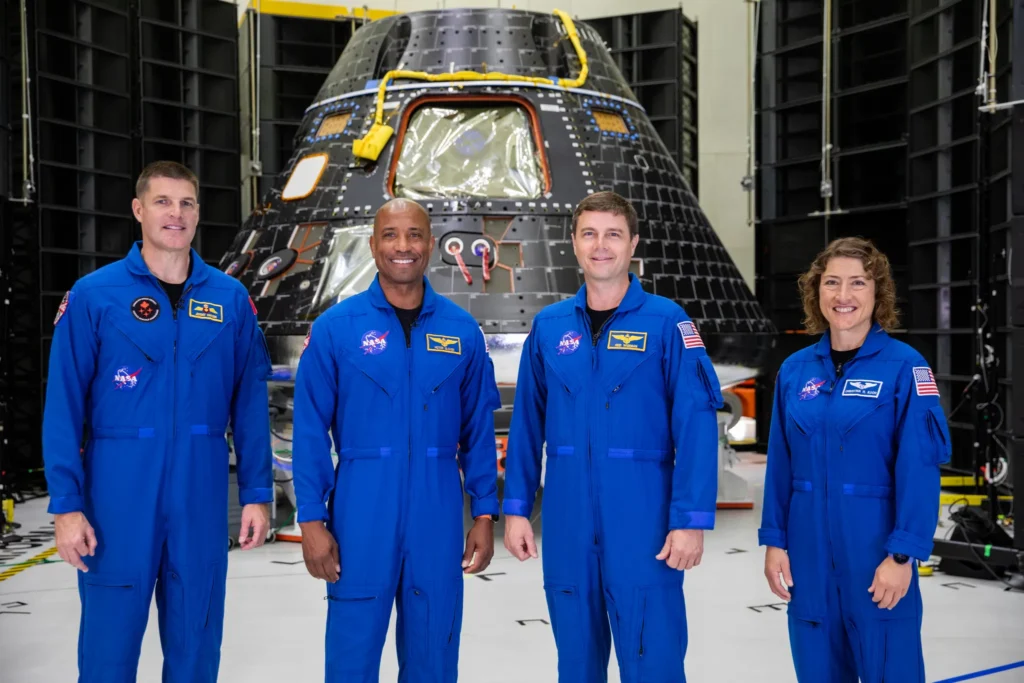
More than a test flight, Artemis II represents a bold reaffirmation of humanity’s commitment to explore.
Artemis II: Humanity’s Next Giant Leap — Meet the Pioneering Crew Read More »
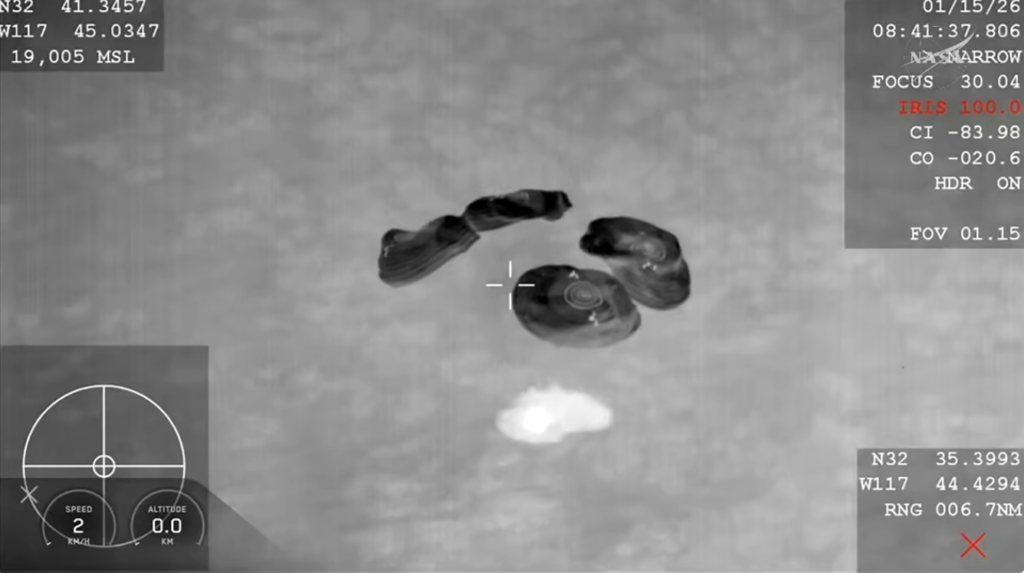
Crew 11 Splashed Down Back on Earth after a Medical emergency. We still don’t know who among the the crew was the victim.
NASA Conducts First Medical Evacuation from the International Space Station Read More »
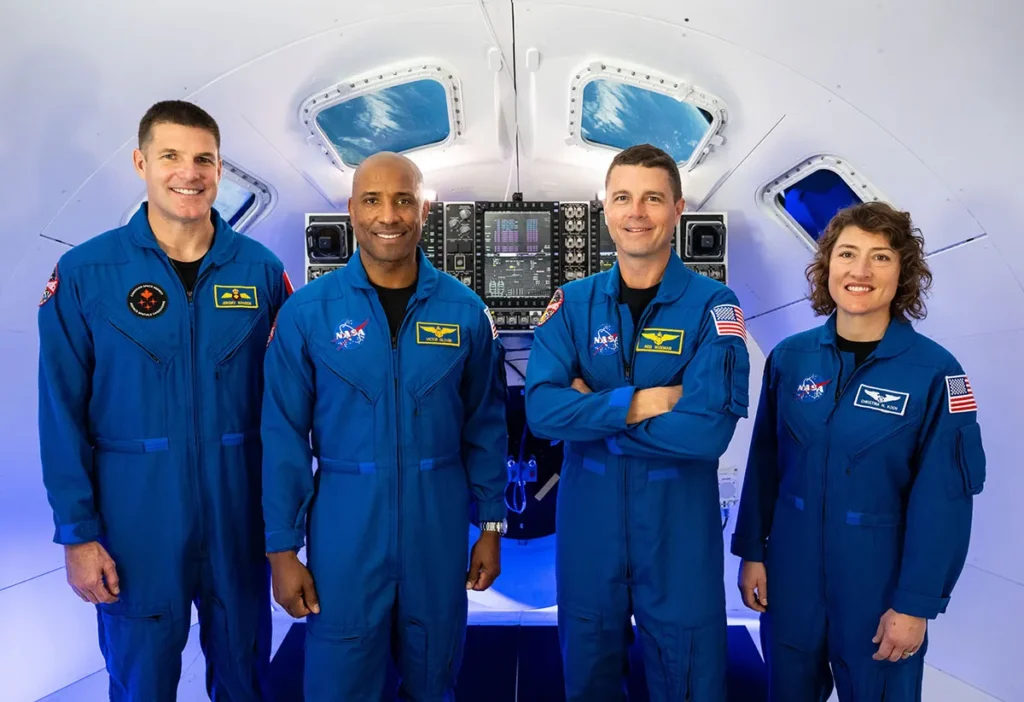
NASA has identified multiple launch windows between early February and April 2026, with the earliest opportunity currently opening in early February.
Artemis II: Humanity’s Next Giant Leap Draws Near Read More »
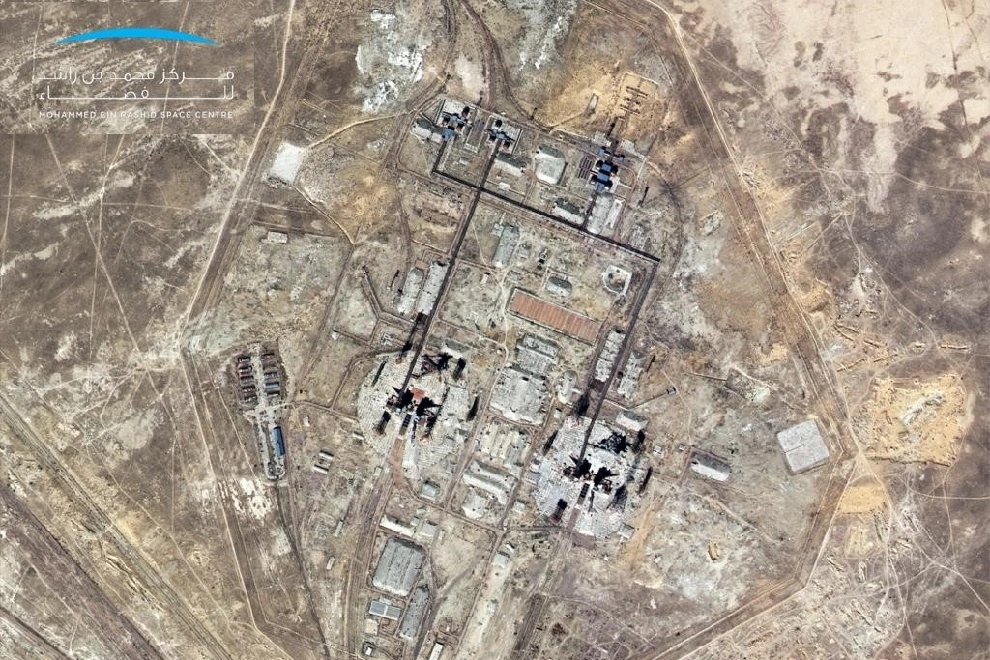
The recent structural failure at Baikonur Cosmodrome has done more than damage a launch pad — it has temporarily halted Russia’s ability to send humans into space for the first time in over 60 years.
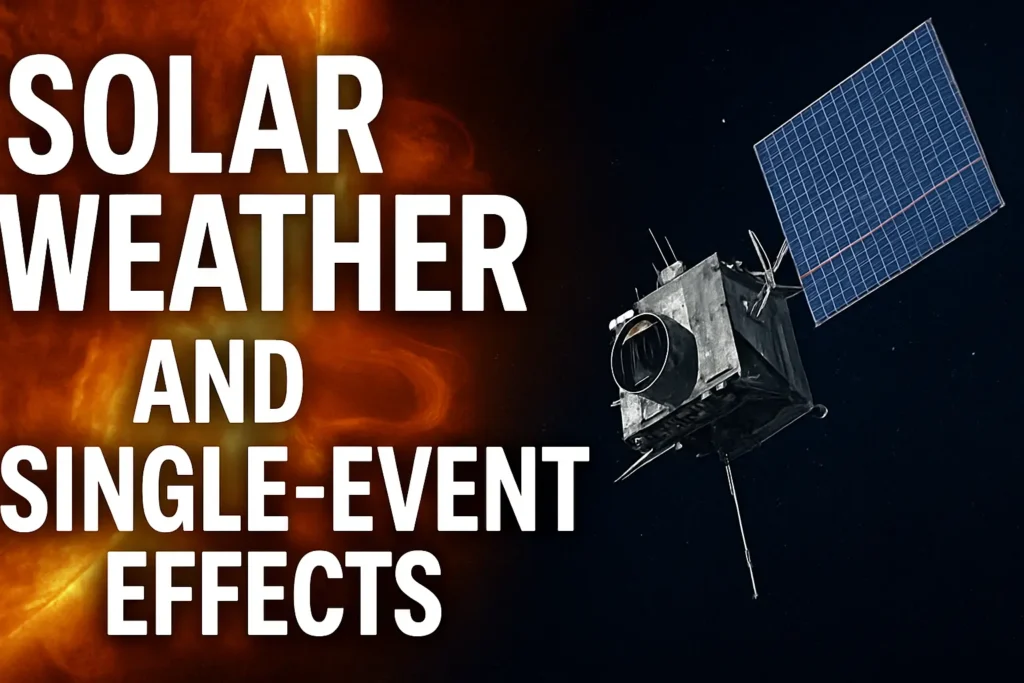
Solar activity is rising—and with it, the risk of radiation-driven disruptions to spacecraft electronics. From bit flips to latchups, single-event effects (SEE) are becoming a defining engineering challenge for modern satellite and deep-space missions. As transistor sizes shrink and mission durations grow, resilience to solar weather is no longer optional. This article explores how SEEs occur, their impact on spacecraft, and the technologies designed to keep missions safe.
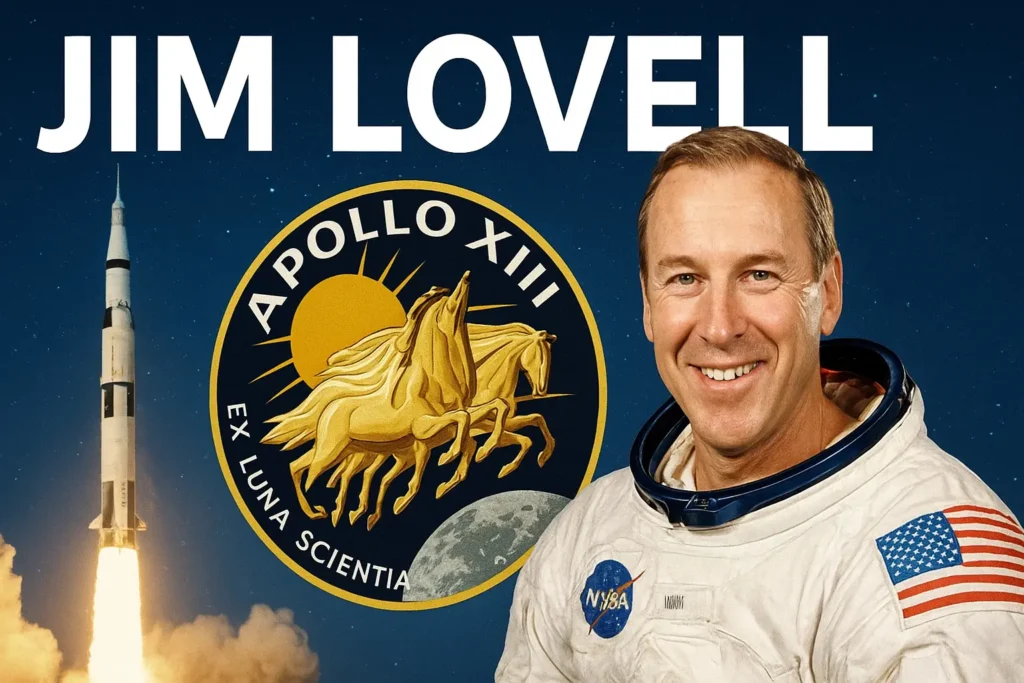
Jim Lovell’s legacy extends beyond the missions he flew. He has inspired generations of engineers, scientists, and leaders.
Jim Lovell: The Astronaut Who Turned Crisis Into History Read More »
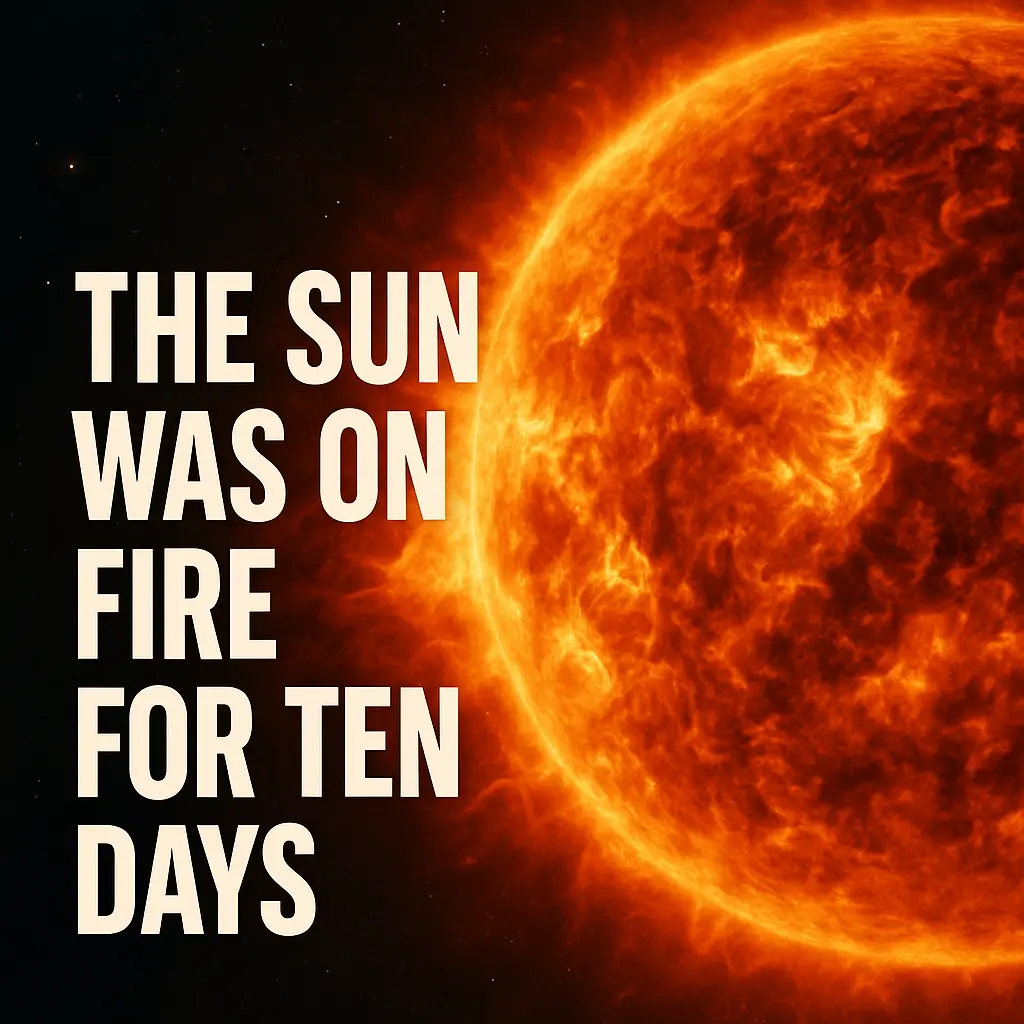
Imagine the Sun turning from a distant light in the sky into an unpredictable, explosive force threatening life and technology as we know it. For ten unforgettable days in August 1972, that terrifying scenario came chillingly close to reality. This was not just any solar storm. It was a sequence of solar events so extreme,
The Solar Storm That Almost Killed Apollo Astronauts | August 1972 Space Disaster Read More »

April 14, 2025 – West Texas Blue Origin has successfully completed its 31st New Shepard mission, NS-31, marking a significant milestone in both commercial spaceflight and cultural representation. The mission, which launched at 8:30 a.m. CDT from Launch Site One in West Texas, was notable for being the company’s 11th human flight—and the first to
Blue Origin’s NS-31 Mission Makes History with All-Female Crew Read More »
Space travel involves the exploration of outer space beyond Earth’s atmosphere using various spacecraft and technologies. Here’s an overview of how space travel works. Launch Spacecraft are launched into space using rockets. Rockets carry the spacecraft beyond Earth’s atmosphere, allowing them to reach space. Launches require careful planning and coordination to ensure safety and success.
Space travel explained Read More »