

Join the mailing list Free weekly briefing, no spam.
NASA’s Artemis II mission marks a historic return of humans to deep space, building on the legacy of Apollo while laying the groundwork for sustained lunar exploration. As the first crewed flight of the Space Launch System (SLS) rocket and Orion spacecraft, Artemis II is designed to rigorously test systems and operations before astronauts land on the Moon later in the decade.
Below are answers to some of the most frequently asked questions about this pivotal mission.
How Close Will Artemis II Get to the Moon?
During Artemis II, the Orion spacecraft will travel thousands of miles beyond the Moon, looping around its far side before beginning the journey back to Earth. This trajectory will take astronauts farther from Earth than any human mission during the Apollo era, pushing Orion deep into cislunar space.
The mission’s path allows NASA to test navigation, communications, and spacecraft performance at extreme distances while still maintaining a safe return to Earth.
Scariest Objects in Space: Ghost Nebula, Witch Head Nebula and the Demon Star
Griffin-1 Lunar Lander Completes Environmental Testing at NASA JPL
NASA 4-D Executive Space Programme: Eight Questions Answered by Paul Hawkins
Halloween Fireballs 2026: When to See the Orionid and Taurid Meteor Showers
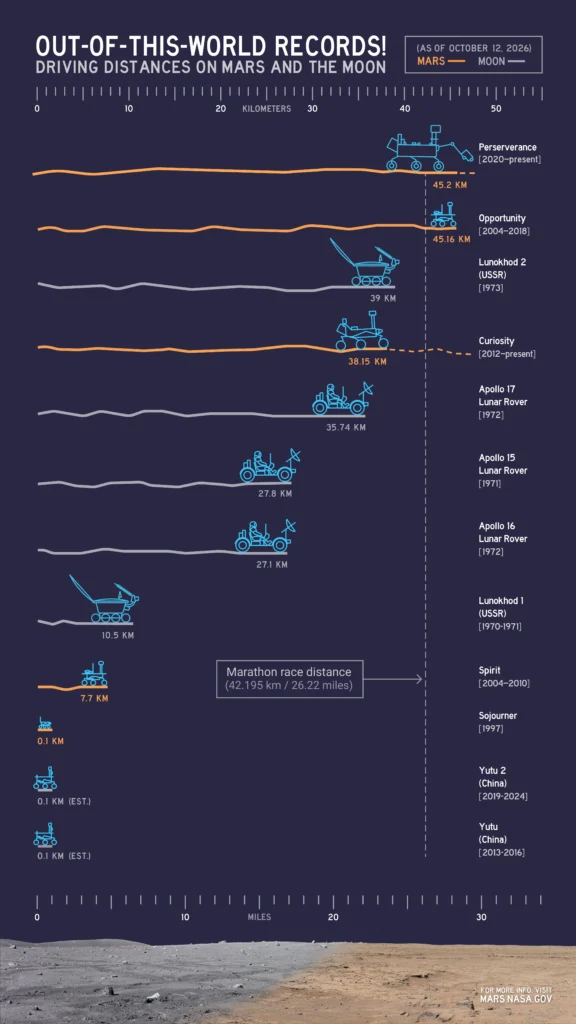
Perseverance Passes Opportunity’s Driving Record: What 45 Kilometers on Mars Really Means
Why Space Teams Fail: Paul Hawkins on NASA’s 4-D Leadership System
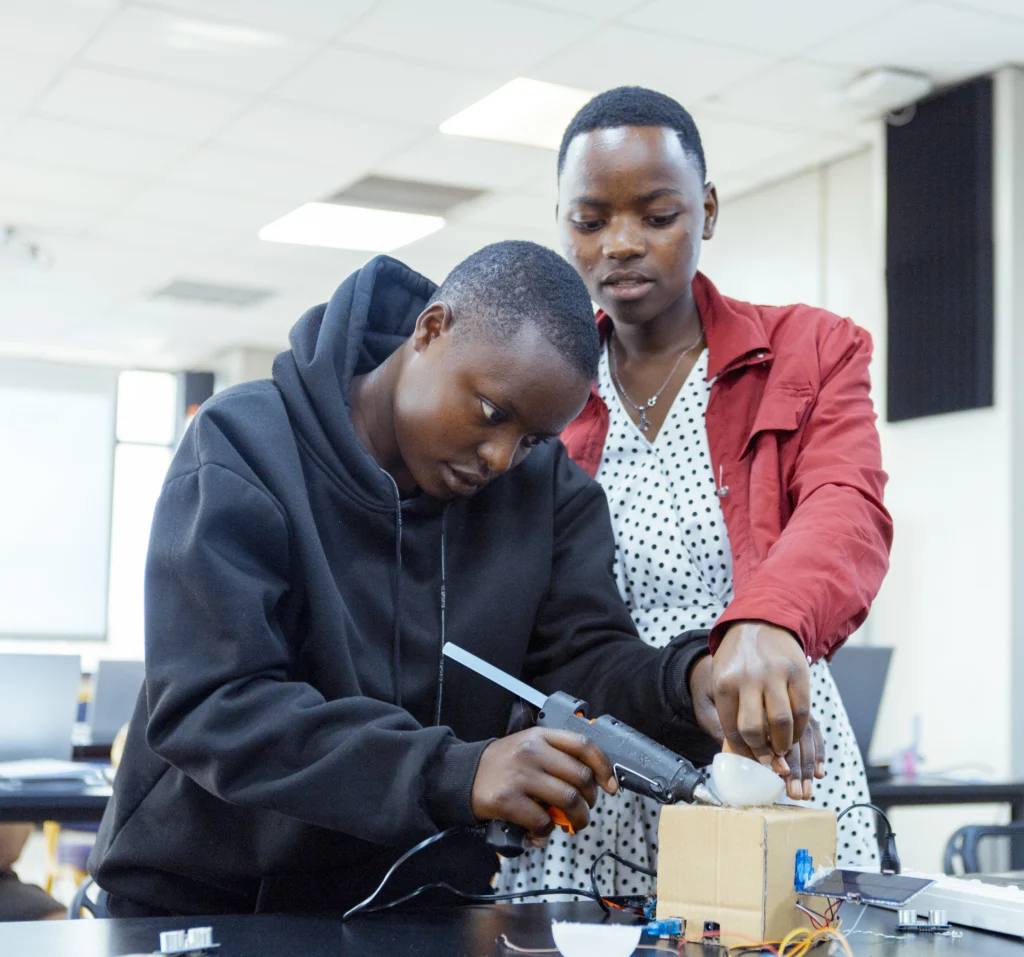
Leicester Scientists Help Train East Africa’s Next Generation of Climate Researchers
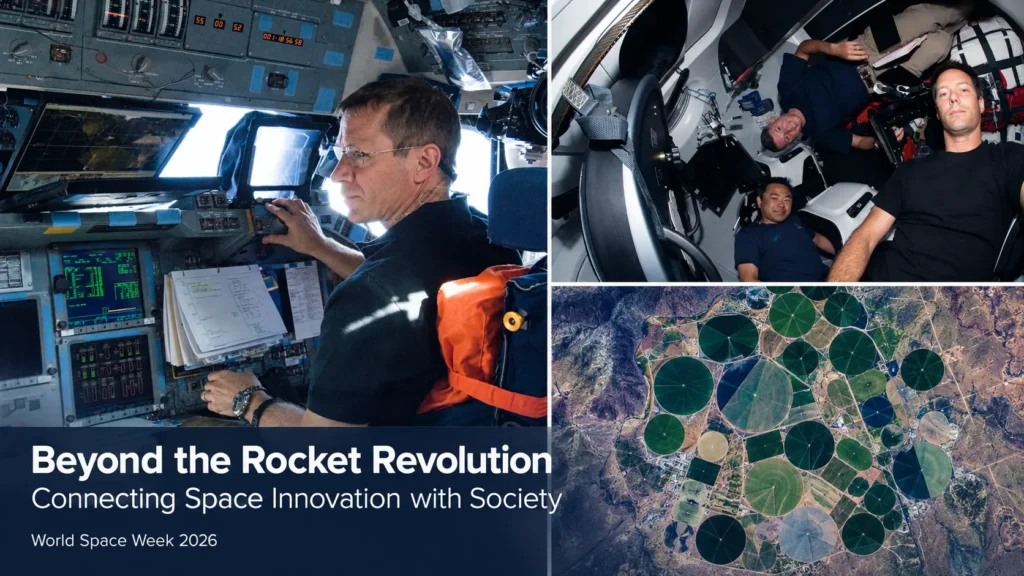
Beyond the Rocket Revolution: Connecting Space Innovation with Society
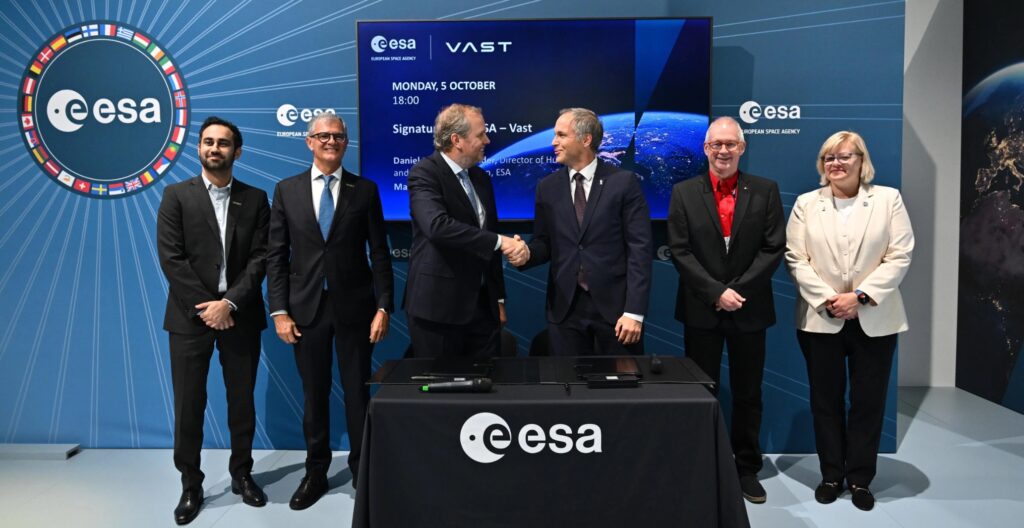
ESA and Vast: the new MoU and Europe’s future after the ISS
Photonic Quantum Processor in Orbit: What the First Test Proved, and What It Didn’t
What Will the Crew Do During the Mission?
The Artemis II crew will play an active role throughout the flight. Their primary task is to evaluate Orion as a human-rated spacecraft in deep space. Astronauts will test life-support systems, monitor spacecraft health, and practice navigation and communications far from Earth.
In addition, the crew will conduct lunar observations, document operational performance, and experience extended deep-space conditions—providing invaluable data that cannot be obtained from uncrewed missions alone.
Why Isn’t Artemis II Entering Orbit Around the Moon?
Artemis II is intentionally designed as a free-return trajectory mission, meaning the spacecraft naturally loops around the Moon and returns to Earth without requiring major propulsion burns to stay in lunar orbit.
This approach prioritizes safety while allowing NASA to validate critical systems. More complex operations—such as sustained lunar orbit, landings, and surface activities—are planned for later Artemis missions once hardware, procedures, and crew experience have further matured.
What Are the Biggest Risks or Technical Challenges?
As with any deep-space human mission, Artemis II carries significant technical challenges. Among the most critical are reentry heat-shield performance, ensuring the spacecraft can safely withstand extreme temperatures upon return to Earth.
Other key concerns include the reliability of life-support systems, exposure to deep-space radiation, and the integration of all mission systems working together over an extended flight. Artemis II exists specifically to identify, test, and mitigate these risks before astronauts attempt a lunar landing.
How Does Artemis II Fit into the Broader Artemis Program?
Artemis II serves as a crucial stepping-stone within NASA’s long-term Artemis program. Its success directly enables Artemis III, which aims to land astronauts near the Moon’s south pole—a region rich in scientific interest and potential resources such as water ice.
Beyond the Moon, Artemis supports NASA’s broader goals of establishing a sustained human presence in deep space, advancing scientific discovery, and preparing technologies and crews for future human missions to Mars.
Artemis II is more than a single mission—it is a bridge between past achievements and future exploration. By pushing human spaceflight farther than ever before, it represents a bold step toward humanity’s next era beyond Earth orbit.