

During British Science Week, Liz Kendall, the UK Secretary of State for Science, Innovation and Technology and Member of Parliament for Leicester West, visited Space Park Leicester and the National Space Centre to explore how the region is strengthening the United Kingdom’s space research, innovation, and education landscape.
Hosted by the University of Leicester, the visit showcased Leicester’s broader “Space City” ecosystem — a cluster of institutions, research centers, and businesses working together to expand the UK’s role in the global space sector.
A Hub for Space Research and Innovation
Opened as a £100 million research, innovation, and teaching hub, Space Park Leicester has become one of the UK’s most dynamic environments for space-related research and enterprise. During the tour, the Minister met scientists and engineers working on several high-profile international missions that the University of Leicester contributes to.
Among these is BepiColombo, the joint European–Japanese mission currently en route to Mercury, designed to study the planet’s composition, magnetic field, and environment. Kendall also heard about SMILE (Solar wind Magnetosphere Ionosphere Link Explorer), an upcoming mission expected to launch soon that will investigate how the solar wind interacts with Earth’s magnetosphere.
These missions highlight the University of Leicester’s long-standing role in space exploration. The institution has contributed instrumentation and scientific expertise to space missions for more than six decades, with Leicester-built equipment continuously operating in orbit since 1967.
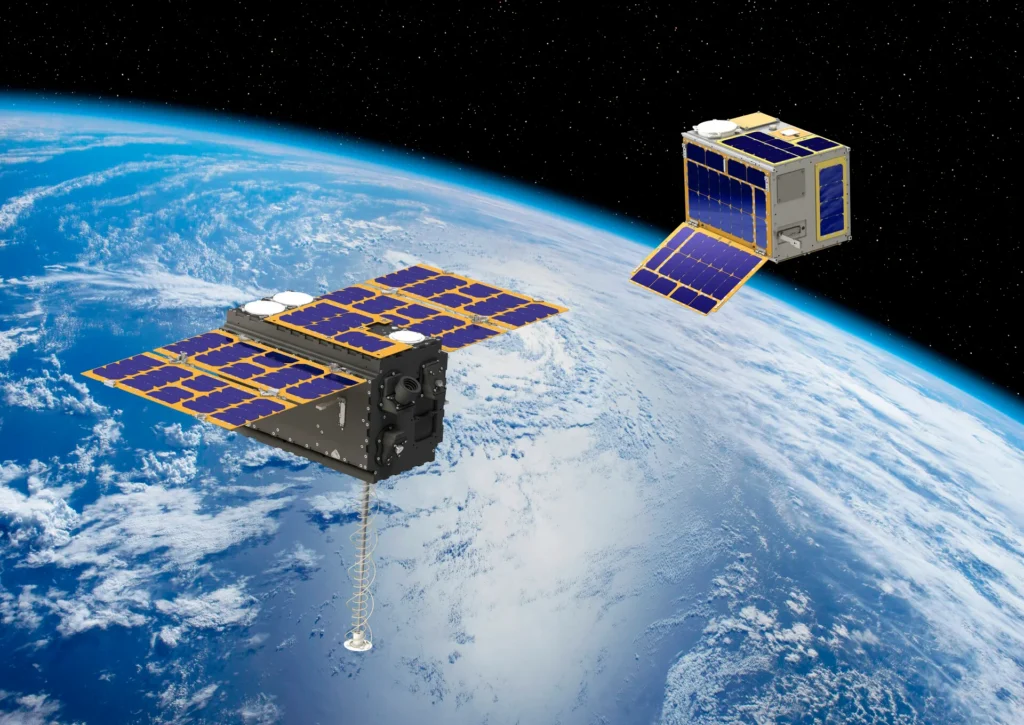
Celeste Takes Flight: Europe’s Next Step in Satellite Navigation Innovation

Dallas Campbell to Bring the Story of Space Exploration to Life at Space Park Leicester
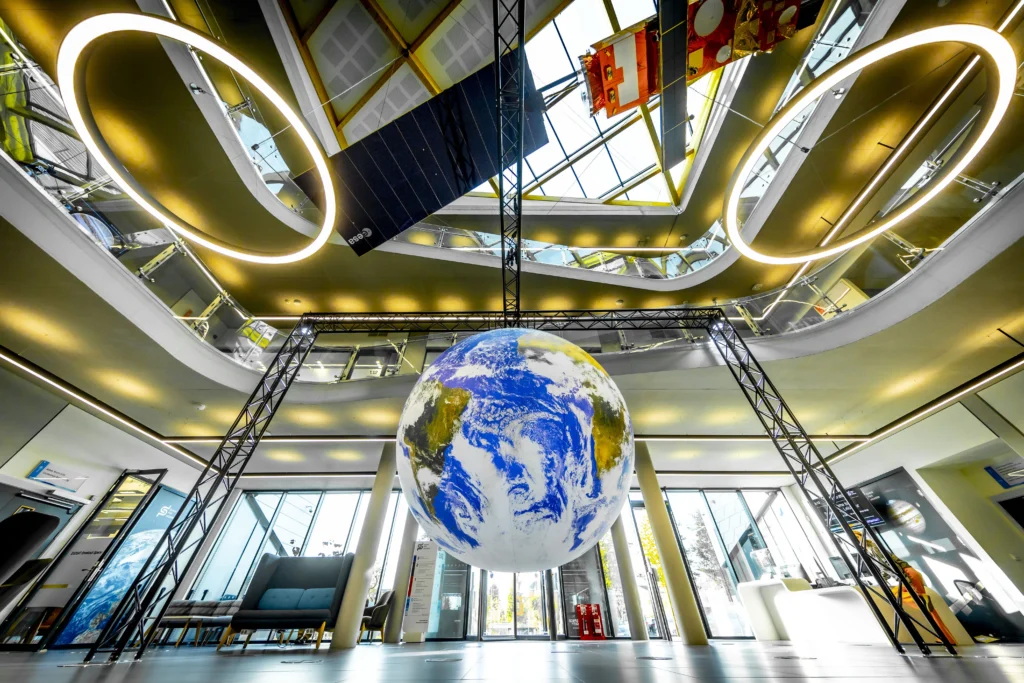
UK Space Science Sets Course for 2035: Leicester Event to Shape the Future
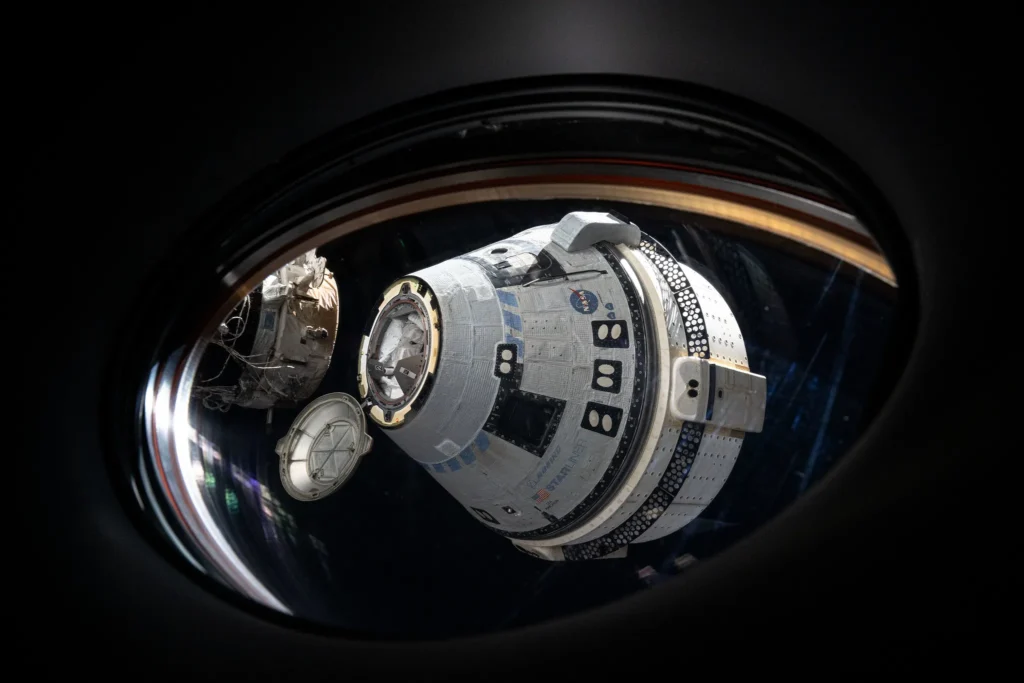
Boeing Starliner – Key Anomalies Analysis
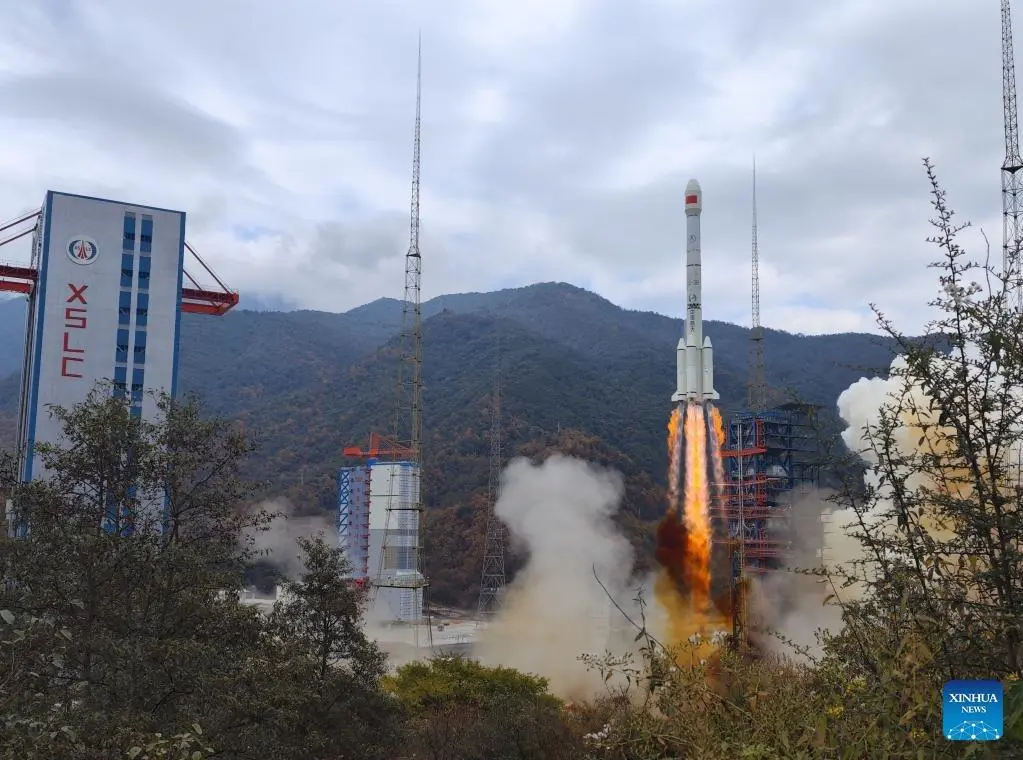
Long March-10: The Rocket That Could Take China to the Moon
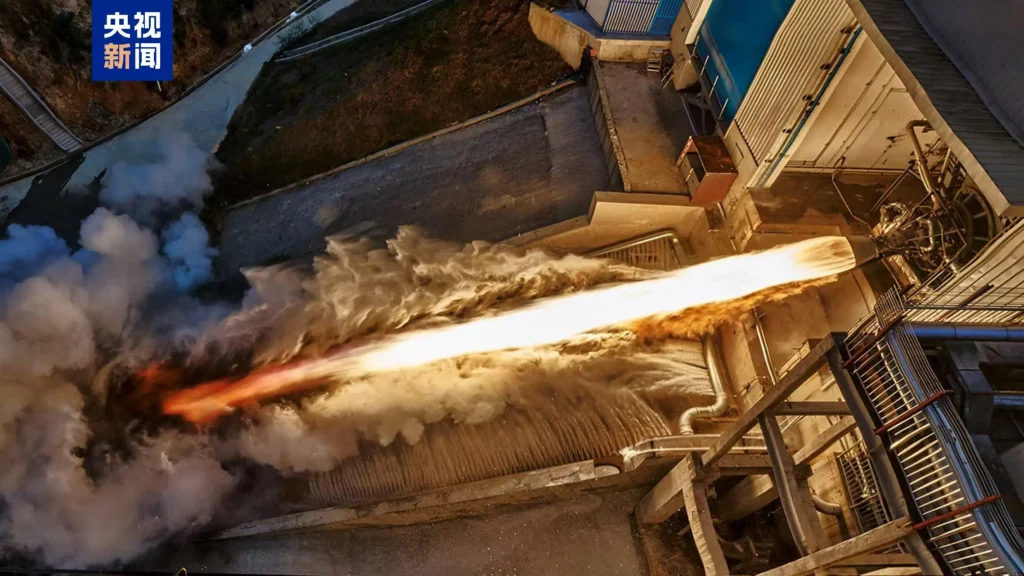
The Liqing-2 Engine: Powering China’s Commercial Reusable Rockets

China Tests a 240-Ton Reusable Rocket Engine
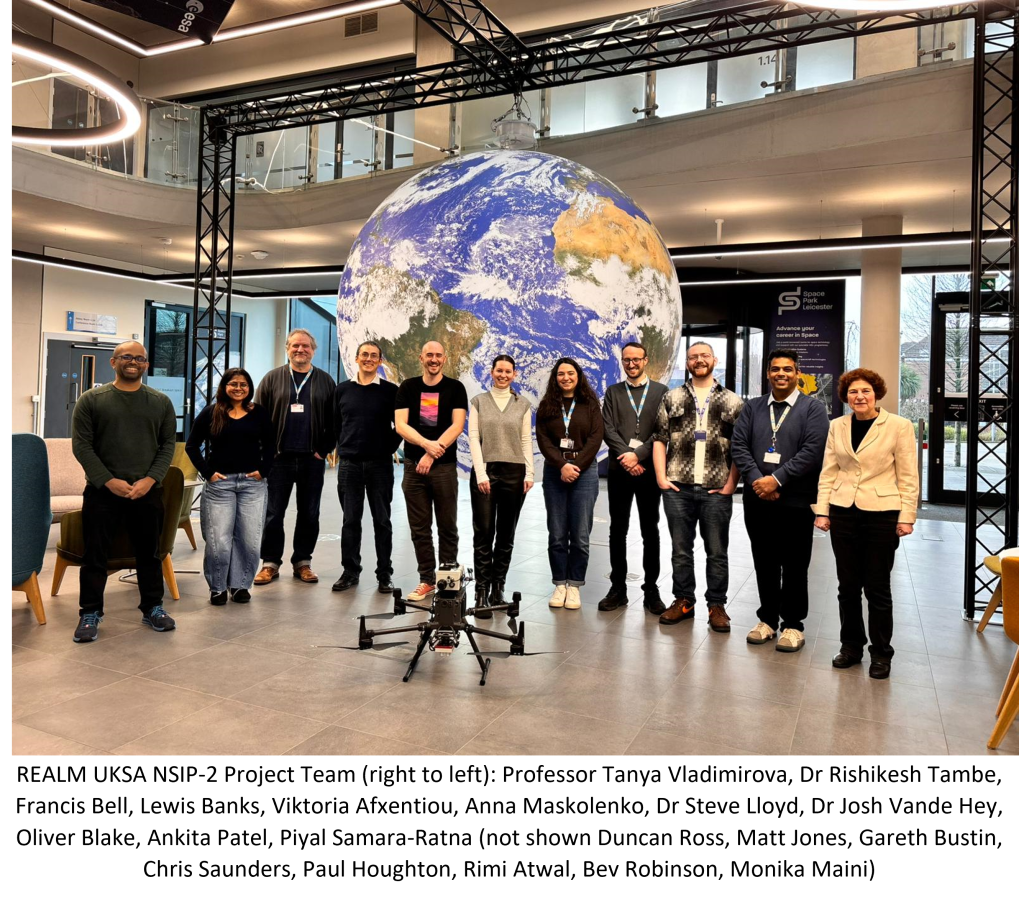
Taking AI to a New REALM: Space-Optimised Machine Learning Comes of Age at Space Park Leicester
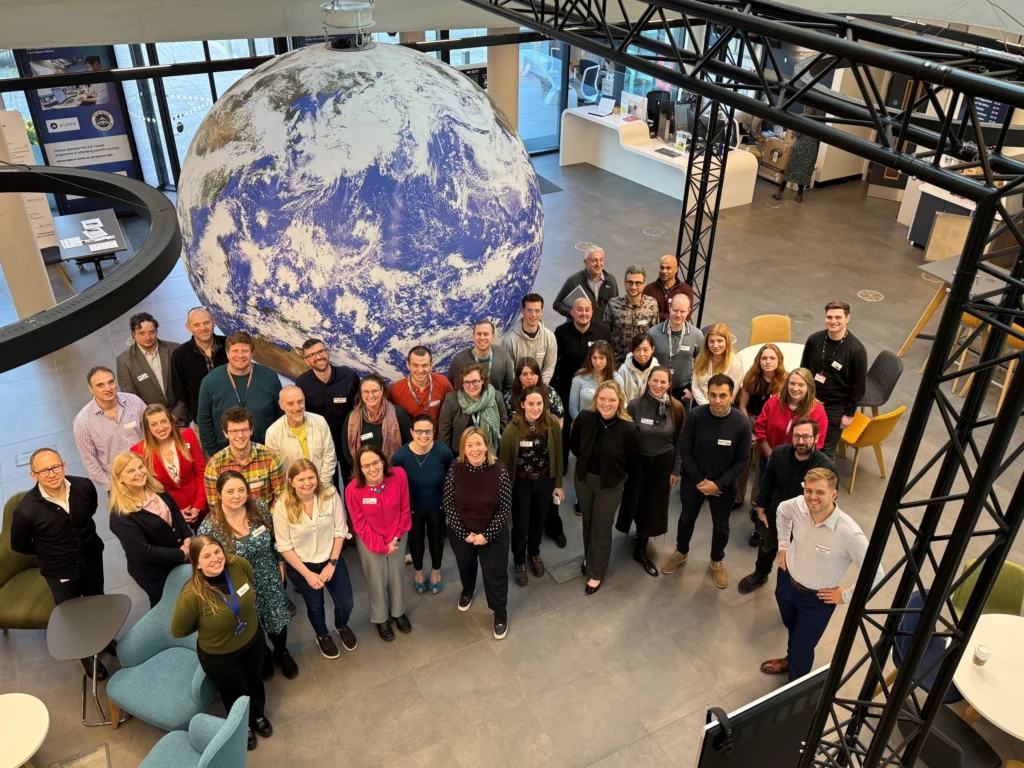
UK Planetary Scientists Discuss Future Mission to Enceladus at Space Park Leicester
Turning Research into Space Industry
A central theme of the visit was how research conducted at the university is translating into commercial opportunities and economic growth. Kendall met Richard Ambrosi, Director of Perpetual Atomics, a spin-out company developing advanced nuclear technologies for space applications.
The company aims to transform how nuclear power systems are used in space missions, potentially enabling more resilient spacecraft power sources and expanding capabilities for deep-space exploration.
According to Will Wells, Chief Executive Officer of Space Park Leicester, the region’s heritage in space science is now evolving into a powerful innovation cluster that creates high-value jobs and drives economic impact.
Training the Next Generation of Space Professionals
Another focus of the visit was education and workforce development. Students and lecturers demonstrated how Space Park Leicester integrates teaching directly with mission-grade facilities, giving students rare access to the same infrastructure used for active space projects.
Kendall also met a graduate currently working within one of the park’s partner companies, highlighting how the ecosystem connects academic training with industry employment opportunities.
Humanising Space: A Multidisciplinary Approach
The Minister was also introduced to the Leverhulme Centre for Humanity and Space, a newly launched initiative exploring how humans interact with and experience space.
Through its Humanising Space programme, the centre brings together expertise from the arts, humanities, and social sciences alongside space science and engineering. The goal is to broaden understanding of humanity’s relationship with space as exploration expands beyond purely technical domains.
Inspiring Future Space Careers
Following the visit to Space Park Leicester, Kendall travelled to the National Space Centre, where she joined a roundtable discussion with representatives from across the UK space industry.
The centre also showcased its educational outreach programmes, including interactions with schoolchildren aimed at inspiring future careers in space science and engineering. These initiatives form a key part of the UK’s strategy to ensure the next generation is prepared to support the rapidly growing space sector.
The Minister was also given an early preview of developments in the centre’s upcoming Outer Solar System gallery, which will feature as part of its 25th anniversary celebrations later this year.
Strengthening the UK’s Space City
Leicester’s space heritage dates back more than 60 years, and the city continues to play a central role in the UK’s expanding space ecosystem. With institutions such as Space Park Leicester, the National Space Centre, and local incubators working together, the region has developed into one of the country’s most vibrant space clusters.
By combining cutting-edge research, industry partnerships, education programmes, and public engagement, Leicester’s “Space City” initiative demonstrates how space innovation can drive both scientific discovery and regional economic growth.
As the UK continues to invest in its space capabilities, initiatives like these highlight the importance of collaboration between universities, industry, and government in shaping the future of the sector.
