
Join the mailing list Free weekly briefing, no spam.
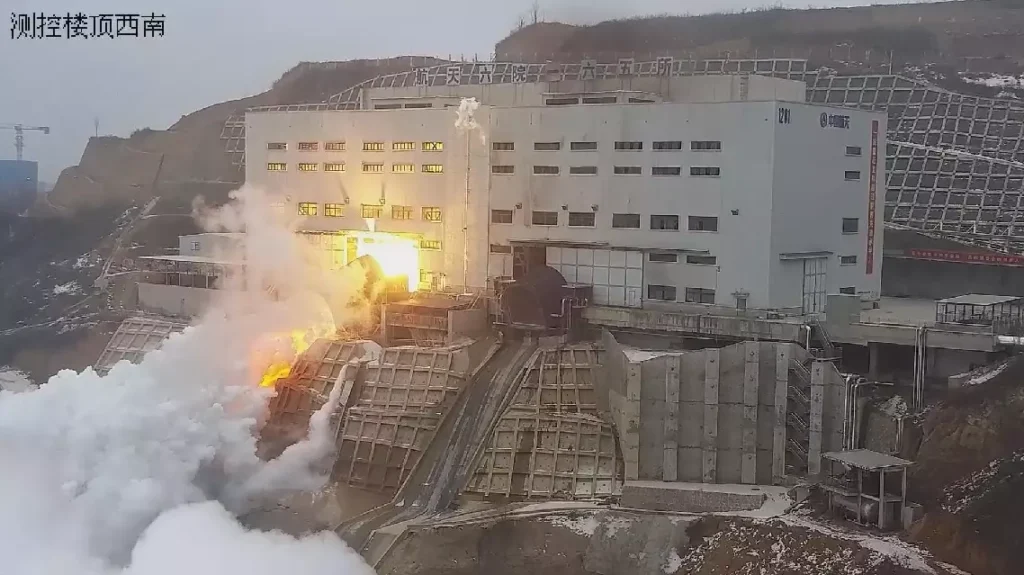
China 240-Ton Reusable Rocket – Credit bastillepost
China is continuing its push into reusable launch technology, and one of the most important milestones so far in 2026 has been the successful test of a 240-ton-class reusable rocket engine.
In late January, Chinese engineers conducted a 200-second ignition test of the engine, a key step in demonstrating its stability and performance. Long-duration engine tests like this simulate the burn time required during a real rocket launch, allowing engineers to verify that the propulsion system can operate reliably throughout the most demanding phases of flight.
Reusable rocket engines are at the center of modern launch economics. By recovering and flying engines multiple times, space agencies and commercial companies can dramatically reduce launch costs and increase launch cadence. Over the past decade, this approach has reshaped the global space industry.
China’s new engine is designed to power future reusable launch vehicles and could support both government missions and the rapidly expanding Chinese commercial launch sector. The successful test suggests that the country is closing the technological gap with Western reusable systems.
A 200-second burn is especially significant because it allows engineers to analyze how the engine behaves under sustained thermal and mechanical stress. Long-duration tests also help validate cooling systems, fuel flow stability, and combustion efficiency — all essential for reusable operation.
China’s investment in reusable engines reflects a broader shift in its space strategy. Rather than focusing solely on traditional expendable rockets, the country is increasingly developing systems that can fly more frequently and at lower cost.
If development continues successfully, engines like this could power the next generation of Chinese reusable rockets later in the decade.
For the global space industry, the message is clear: the competition to build reliable reusable launch systems is accelerating.
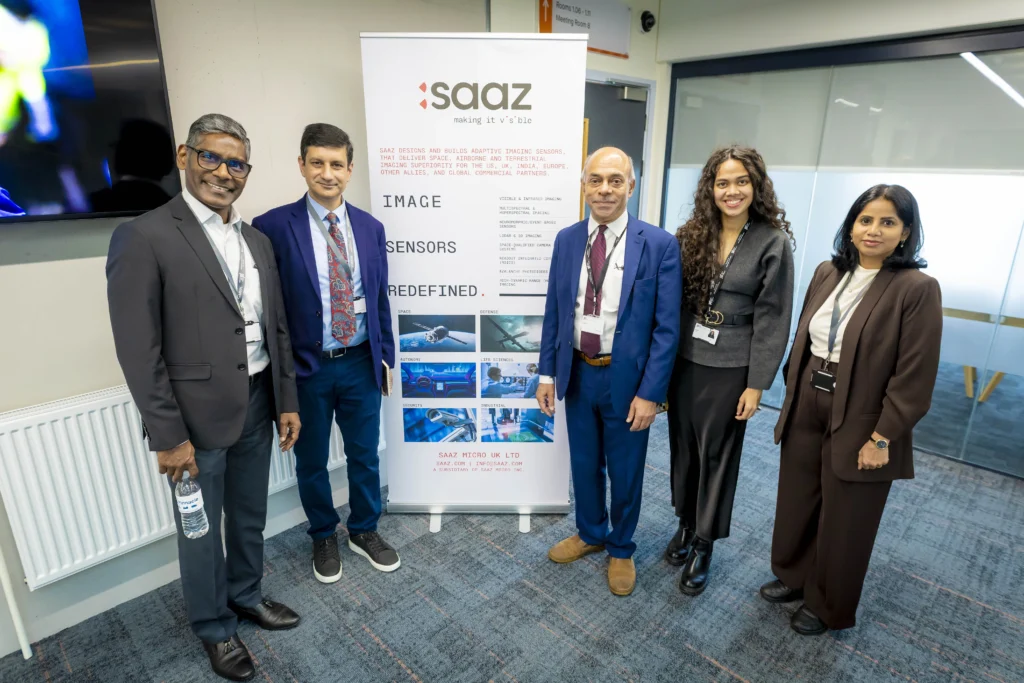
SAAZ Micro Opens New Overseas Office at Space Park Leicester
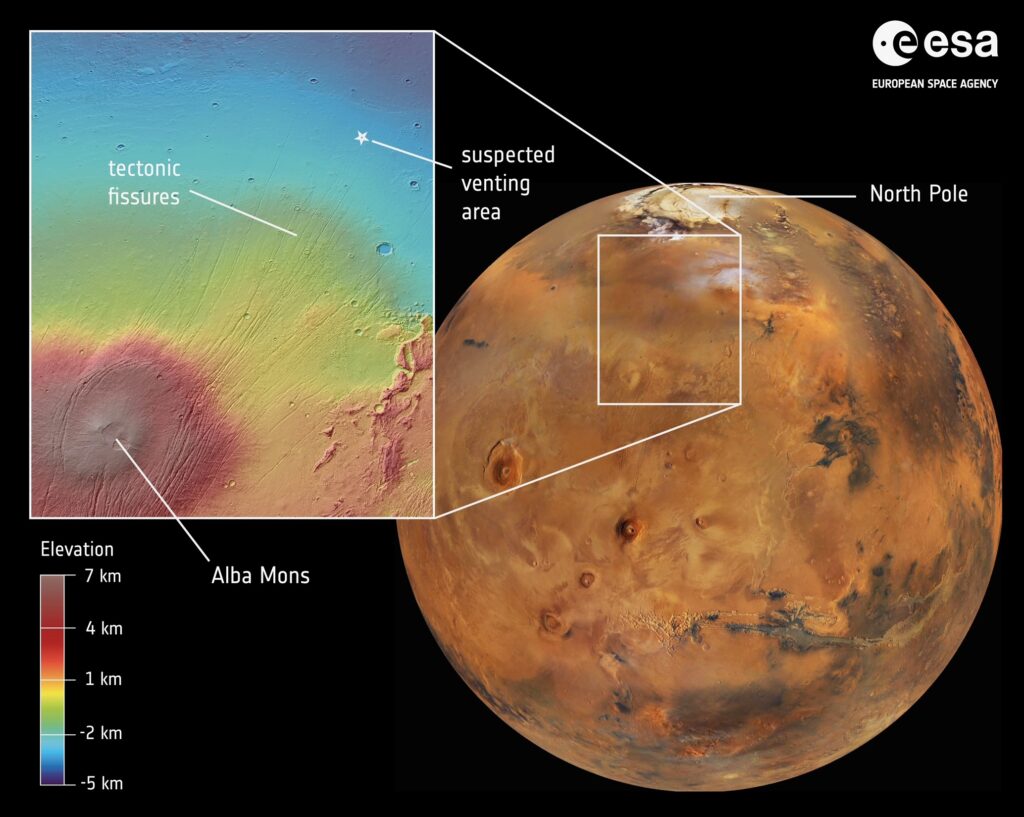
Is Mars Still Volcanically Active? What a Gas Detected by ESA’s Trace Gas Orbiter Really Tells Us
Cover Image Credits: Mars Express & HRSC Mars has the largest volcanoes in the Solar…
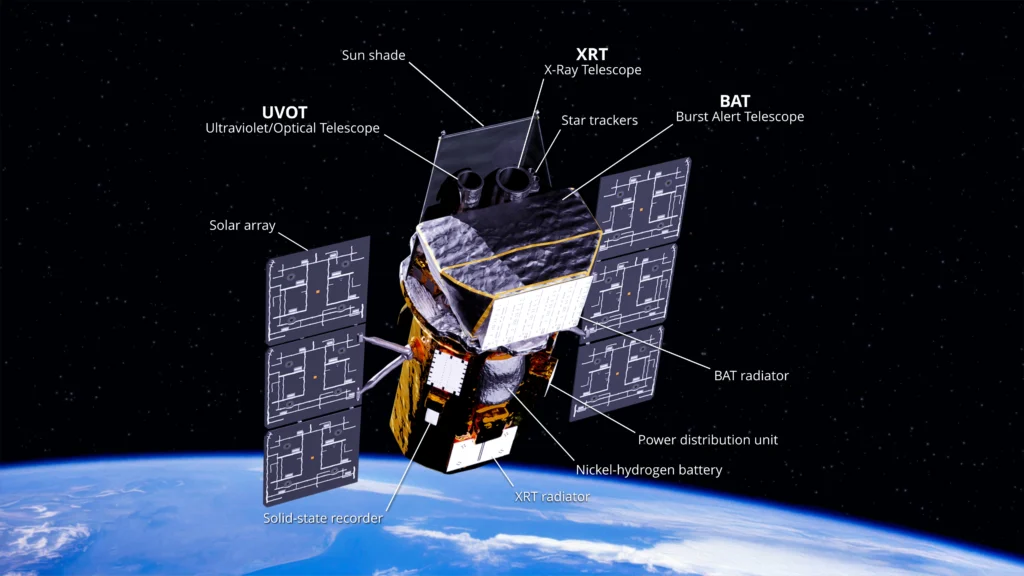
Swift Returns to Earth After 22 Years, and Leicester Keeps Its Science Alive
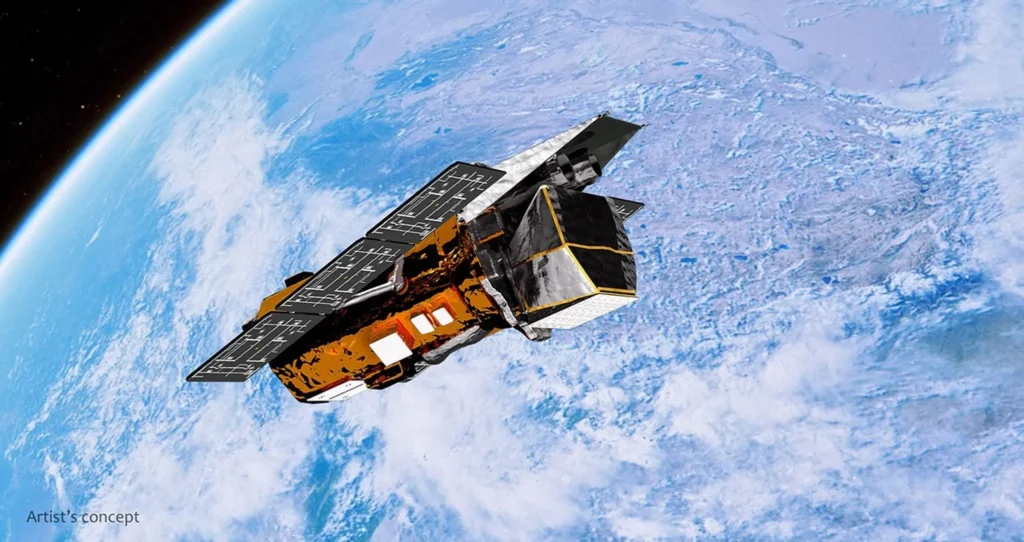
Swift Observatory Reentry: What Went Wrong and What We Learned
Life After the ISS: Russia, China, India and the Commercial Race
Cover Image Credits: Universe Today The International Space Station is now set to operate through…
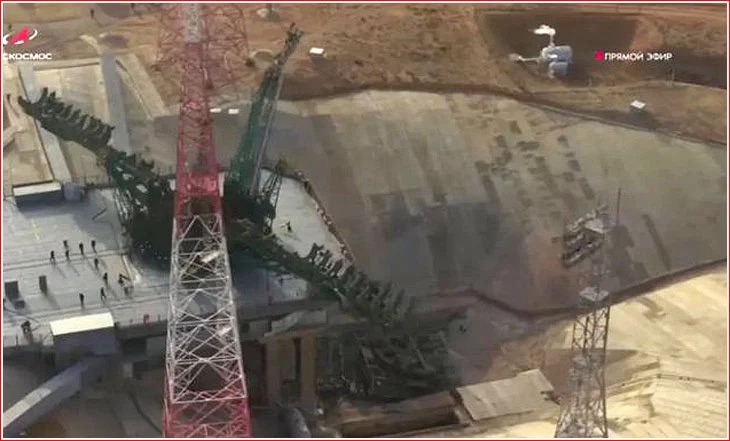
Baikonur Launch Site Collapse – One year later
Photo Credits in the image On November 27, 2025, a Soyuz MS-28 launch from the…