

Join the mailing list Free weekly briefing, no spam.
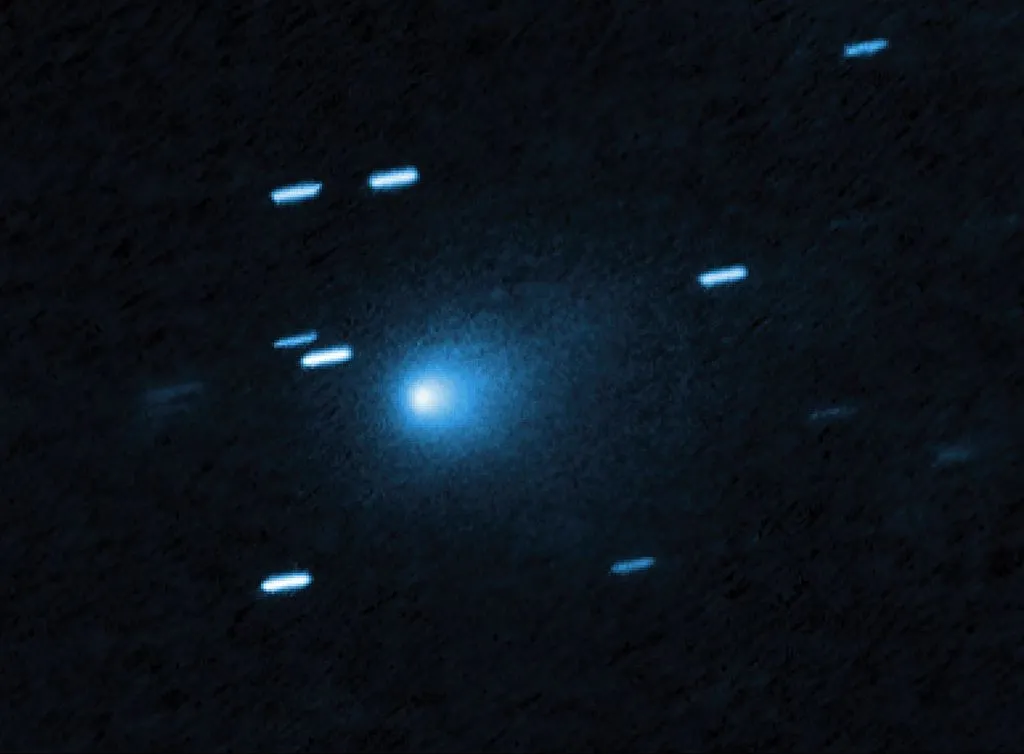
Cover Image: NASA, ESA, David Jewitt (UCLA) – Image Processing: Joseph DePasquale (STScI)
If you’ve ever wondered what the early Solar System looked like before planets fully formed, the answer may lie scattered between Mars and Jupiter. Not in theory, but in fragments—ancient, unaltered, and now catalogued with unprecedented precision.
A new study led by researchers from the University of Leicester and the Observatoire de la Côte d’Azur is doing exactly that: turning the asteroid belt into a readable archive of planetary history.
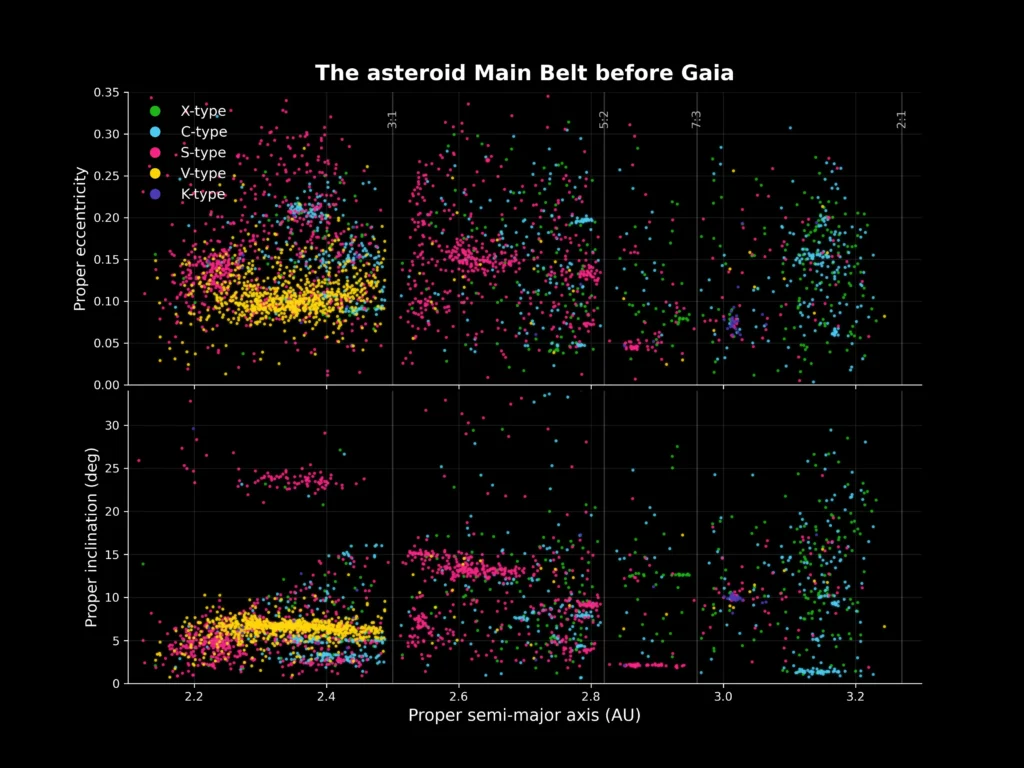
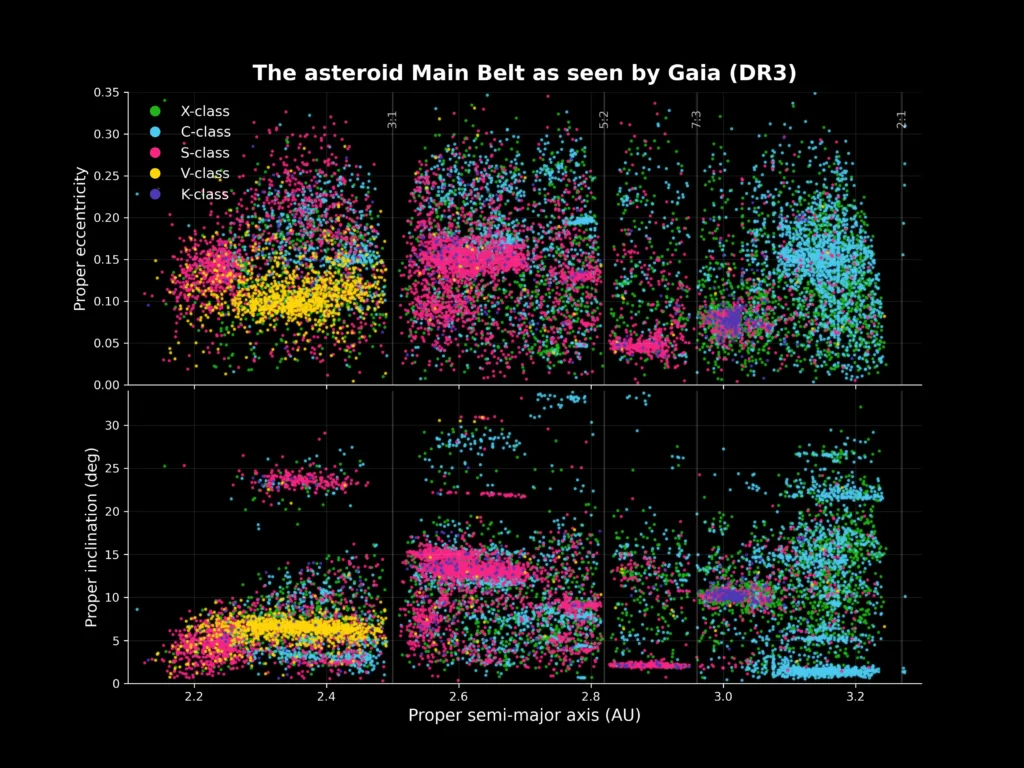
The figures below illustrate the structure of the main asteroid belt revealed by Gaia DR3 spectroscopic data, where each asteroid is coloured according to their spectral type. The collisional families resulting from past impacts are highlighted, as well as a clear radial structure: S-type asteroids that are linked to more processed types of meteorites (e.g. ordinary chondrites) dominate the inner belt, while C-type asteroids that are linked to dark, primitive, water and organic-rich carbonaceous meteorites are more common in the outer belt. The main orbital resonances with Jupiter are indicated, illustrating their key role in shaping the dynamical architecture of the belt.
Reading the “DNA” of Asteroids
At the heart of this breakthrough is data from the Gaia mission—a spacecraft best known for mapping the positions of stars, but now proving equally transformative closer to home.
Using Gaia’s Data Release 3, scientists analyzed the reflectance spectra of over 60,000 asteroids. In simple terms, this is the light reflected off their surfaces. But scientifically, it’s something far more powerful: a compositional fingerprint.
Each spectrum encodes information about an asteroid’s mineralogy—what it’s made of—and even hints at how it has evolved over billions of years. By applying a new probabilistic classification algorithm, the team has grouped these asteroids into taxonomic types with a level of detail never achieved before.
Think of it as building an alphabet for planetary building blocks—only now, the dictionary is tens of thousands of entries long.
A Belt with Structure—and a Story
One of the most striking insights from this new catalogue is how clearly the asteroid belt is structured.
- Inner belt: Dominated by S-type asteroids, which are linked to more “processed” meteorites, like ordinary chondrites.
- Outer belt: Rich in C-type asteroids, darker bodies containing water and organic materials, associated with more primitive carbonaceous meteorites.
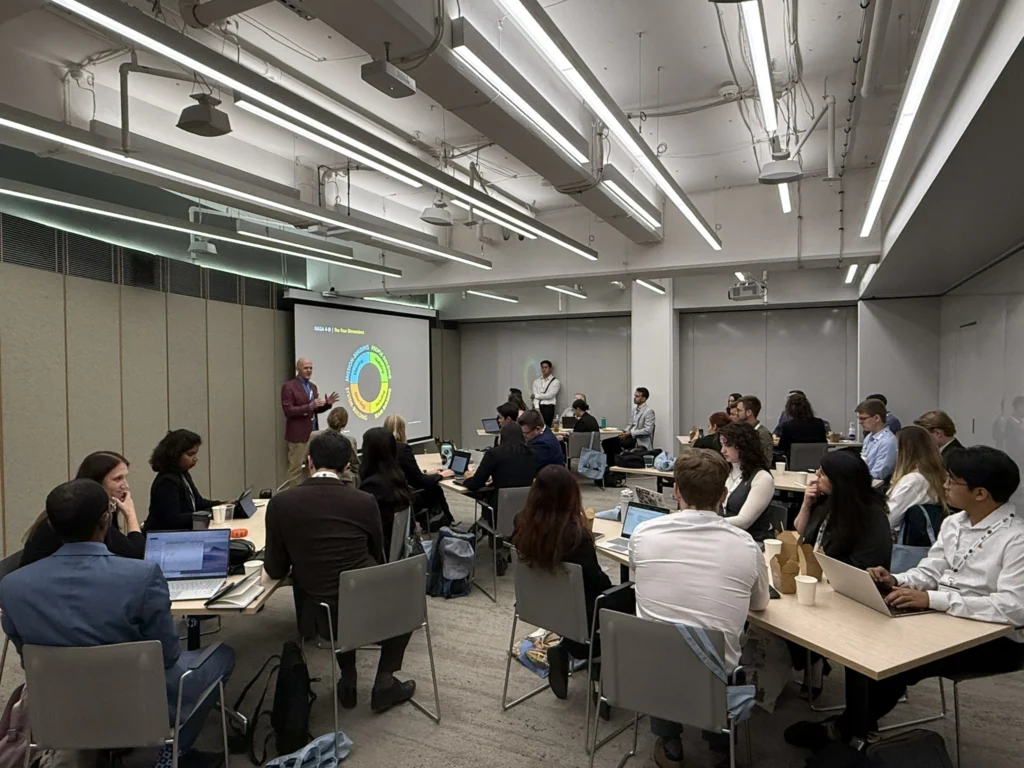
Executive Guide to Space at Space Park Leicester: Three Days Inside a Space Mission
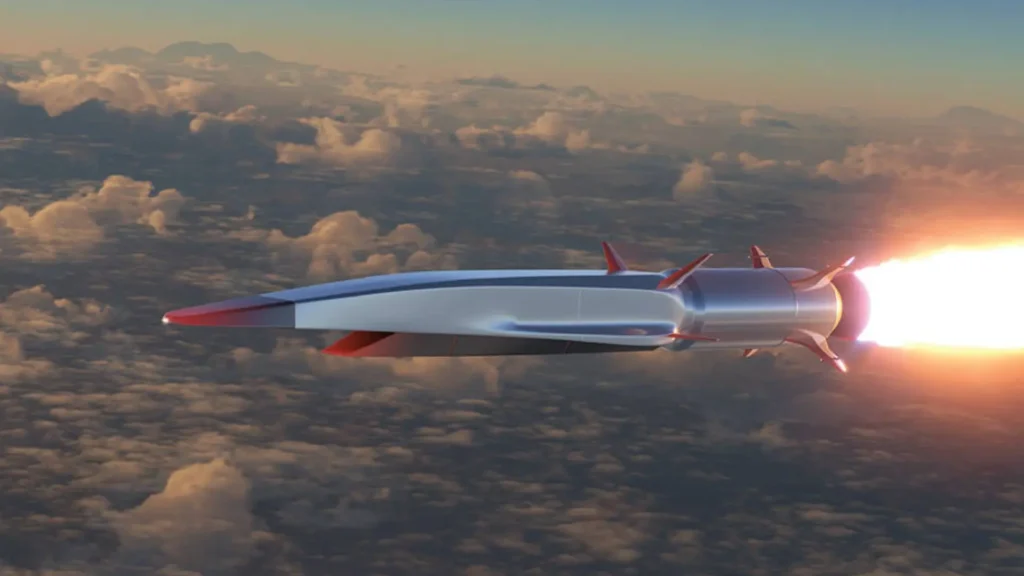
MO-Nav on Talon-A: What a Mach 5 GPS-Denied Test Proves
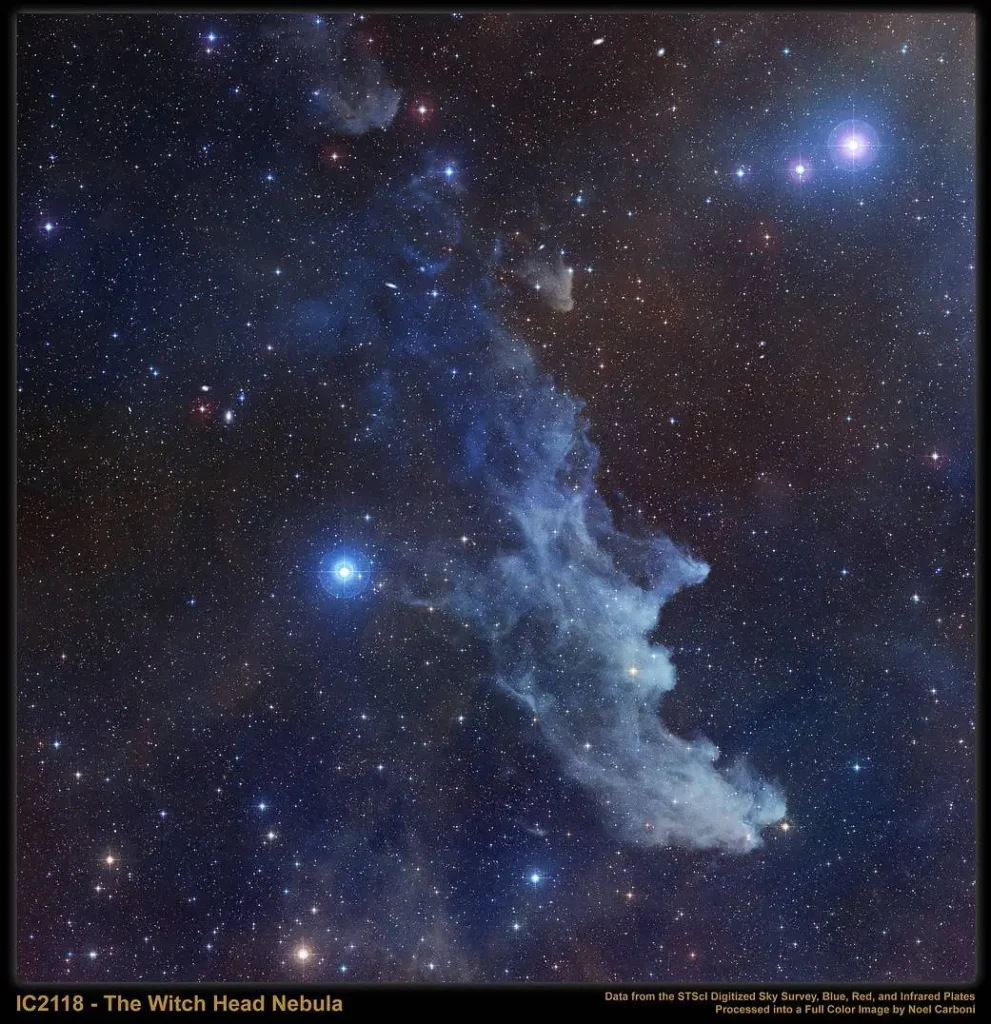
Scariest Objects in Space: Ghost Nebula, Witch Head Nebula and the Demon Star
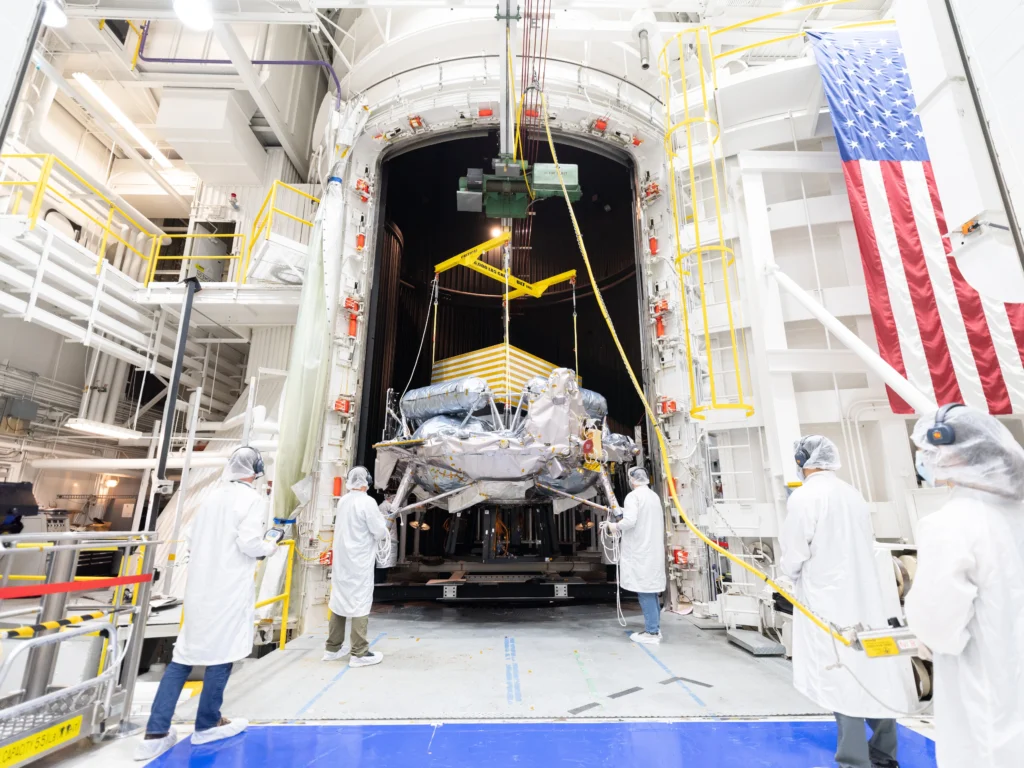
Griffin-1 Lunar Lander Completes Environmental Testing at NASA JPL
NASA 4-D Executive Space Programme: Eight Questions Answered by Paul Hawkins
Halloween Fireballs 2026: When to See the Orionid and Taurid Meteor Showers
This distribution isn’t random. It reflects temperature gradients, chemical environments, and dynamical processes from the earliest phases of Solar System formation.
In other words, the asteroid belt isn’t just debris—it’s a fossilized record of how planets like Earth came to be.
From Space Rocks to Planetary Origins
Asteroids are remnants of planetesimals, the original building blocks of planets. While planets have undergone intense geological evolution, many asteroids have remained relatively unchanged.
That makes them invaluable.
By linking asteroid spectra to meteorites studied in laboratories on Earth, scientists can reconstruct:
- The composition of early Solar System material
- The processes that shaped planetary formation
- The internal structure of ancient bodies, revealed through collisional fragments
It’s a bit like performing a CT scan on a planet that never fully formed.
What Comes Next
And this is just the beginning.
Future data releases from Gaia are expected to expand the dataset to around 100,000 asteroids, making it the largest spectroscopic catalogue ever assembled. Combined with upcoming missions like SPHEREx, which will provide near-infrared spectra, scientists will be able to analyze asteroids across a broader range of wavelengths.
This multi-dimensional view will sharpen comparisons with meteorites and deepen our understanding of planetary materials.
Why This Matters
Beyond the technical achievement, this work marks a shift in how we study the Solar System.
We’re moving from isolated observations to system-wide mapping—from studying individual rocks to understanding the architecture of an entire planetary system.
And in doing so, we’re answering one of the most fundamental questions in space science:
What were the original ingredients—and conditions—that led to the formation of planets like ours?
The answer, it turns out, has been orbiting quietly between Mars and Jupiter all along.

Astronomy Basics
🌠 Explore the Universe Like Never Before!🔭 Discover the secrets of stars, planets, and galaxies…
[Preview] Orbital Mechanics – An Introduction
Discover the fundamentals of orbital mechanics in this beginner-friendly course—no prior experience needed! Explore how…

Human Factors and Performances
Human factors and human performance in space are critical areas of study in spaceflight operations,…
Space Physics – Basics
Explore the dynamic forces that shape our space environment in this exciting journey beyond Earth’s…
osqppb