
Join the mailing list Free weekly briefing, no spam.
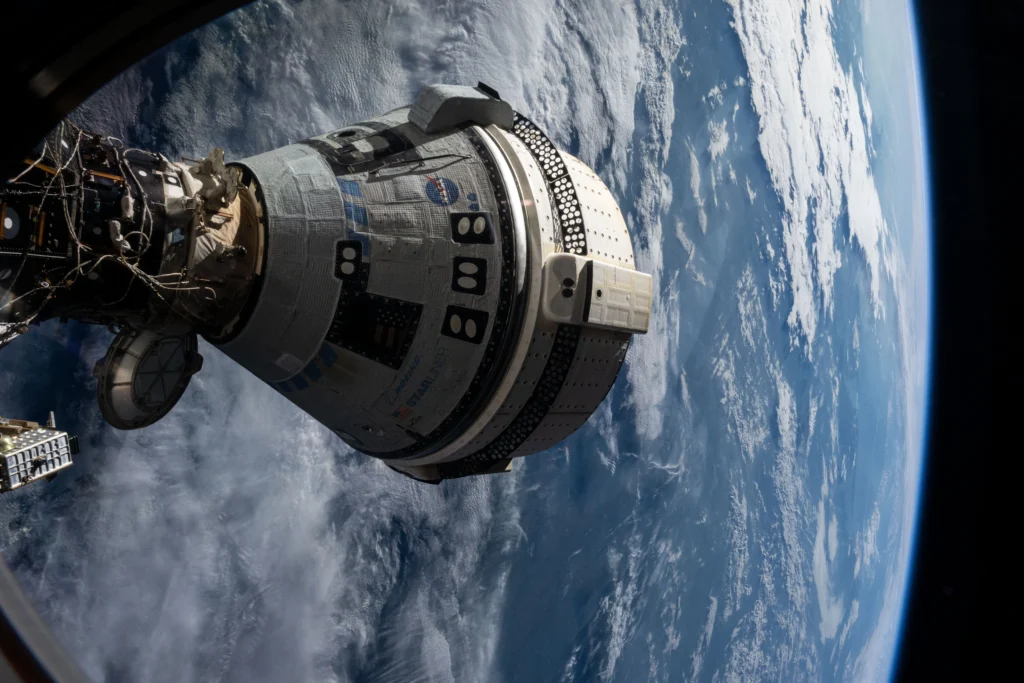
Image Credit: NASA
NASA has released the findings of a detailed investigation into the troubled crewed test flight of the Boeing CST-100 Starliner, shedding new light on what went wrong during the mission and what it means for the future of the program.
The report—spanning hundreds of pages—examines the spacecraft’s first astronaut flight in June 2024 and identifies a complex combination of technical failures, organizational shortcomings, and decision-making issues that nearly jeopardized crew safety. Despite the severity of the findings, NASA has confirmed it will continue working with Boeing to bring the spacecraft back to operational status.
The Crewed Flight Test
The Starliner Crew Flight Test launched on June 5, 2024, carrying NASA astronauts Sunita Williams and Barry Wilmore to the International Space Station as part of the Commercial Crew Program. The mission was originally planned to last about ten days.
However, the spacecraft encountered multiple propulsion anomalies during its approach and docking with the ISS. Several reaction control thrusters failed and helium leaks were detected in the propulsion system, temporarily affecting the spacecraft’s ability to maneuver safely.
While the spacecraft successfully docked with the station, the technical uncertainties led NASA to delay the crew’s return while engineers assessed the situation. Ultimately, the agency decided it was too risky for the astronauts to return aboard Starliner. Instead, the spacecraft returned to Earth uncrewed, and the astronauts later came back aboard a mission of the SpaceX Crew Dragon in 2025.
A “Type A Mishap”
Following months of analysis, NASA classified the mission as a “Type A mishap”, the agency’s most severe failure category—typically associated with incidents that could result in the loss of a spacecraft or crew.
Investigators concluded that the problems stemmed from a combination of factors, including:
- Hardware failures within the propulsion system
- Qualification and testing gaps
- Leadership and communication breakdowns
- Organizational and cultural issues between NASA and Boeing teams
Together, these factors created risk conditions that investigators concluded were inconsistent with human spaceflight safety standards.
The report also highlighted failures in decision-making and oversight, suggesting that both NASA and Boeing underestimated potential risks while pushing forward with the mission.
Beyond the Rocket Revolution: Connecting Space Innovation with Society
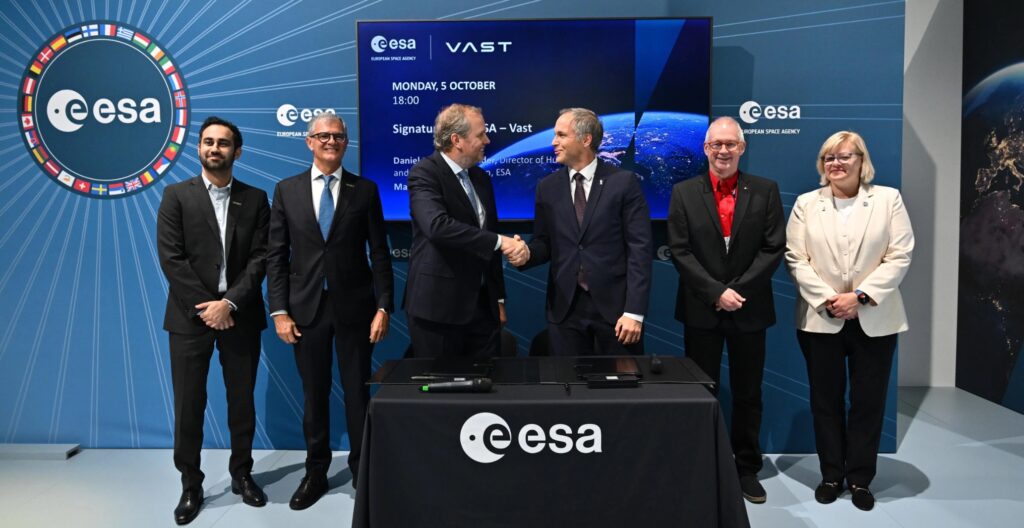
ESA and Vast: the new MoU and Europe’s future after the ISS
Image Credits: jonasphotto The European Space Agency has signed a new Memorandum of Understanding with…
Photonic Quantum Processor in Orbit: What the First Test Proved, and What It Didn’t
Illustrative image: CubeSats deployed into Earth orbit from the International Space Station’s Kibo module. Not…
Argotec and Rheinmetall Put an Air Defence Satellite in Orbit Argotec and Rheinmetall Put an…
Starship Flight 14 Recap: It Reached Orbit, Delivered 26 Satellites — and Came Home the Hard Way

Aurora and Saturn at Opposition: The Sky on October 2–4, 2026
Image Credits: NASA, Neil Zeller A weekend with two stars of the show Between October…
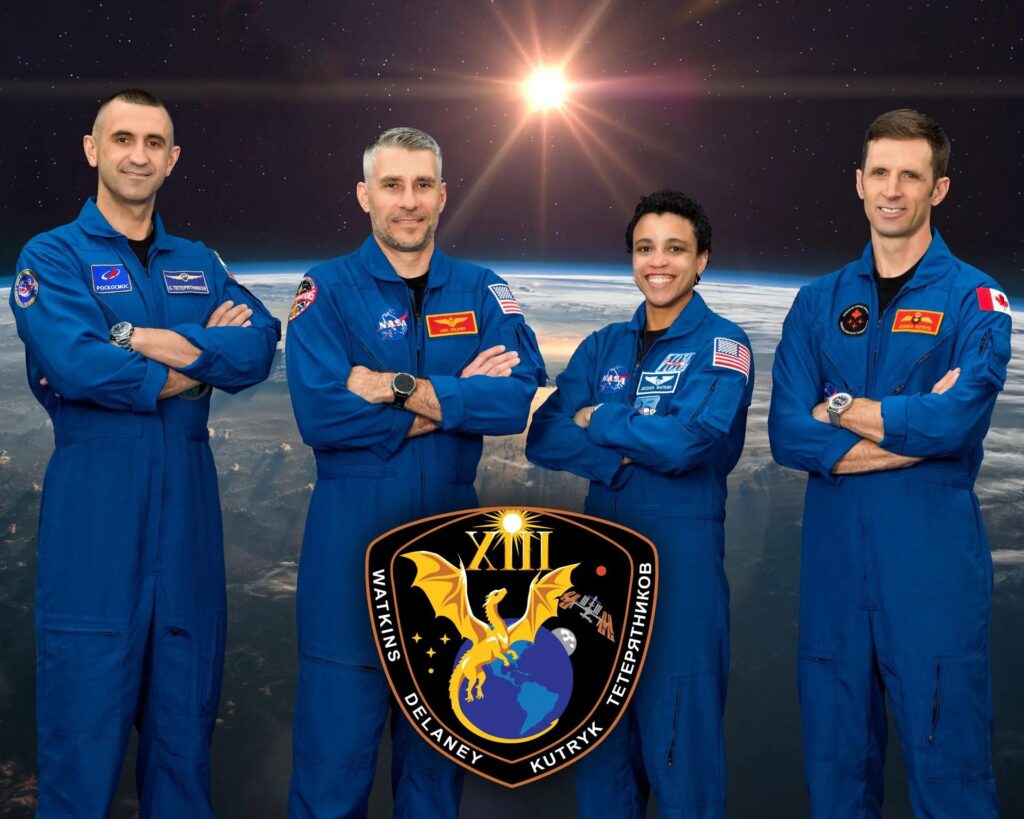
SpaceX Crew-13 Launches to the ISS: What the Mission Will Do and Why It Slipped
Image Credits: NASA SpaceX’s Crew-13 mission is set to launch today, October 1, 2026, at…
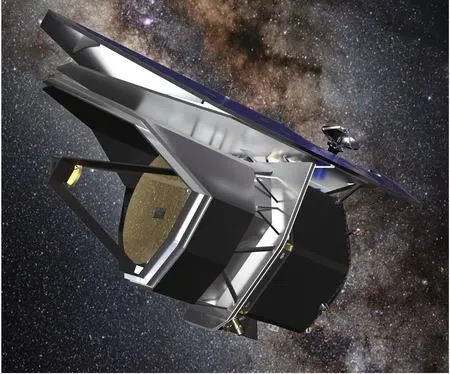
PRIMA Far-Infrared Telescope: NASA’s First Probe Explorer and What It Means for Astrophysics
Image Credits: NASA On September 23, 2026, NASA announced that PRIMA (PRobe far-Infrared Mission for…
Why NASA Isn’t Cancelling Starliner
Despite the extensive criticism contained in the investigation report, NASA has reaffirmed its commitment to the Starliner program.
One of the main reasons is strategic redundancy. Since the retirement of the Space Shuttle in 2011, NASA has aimed to maintain two independent commercial systems capable of transporting astronauts to low Earth orbit. Currently, the Crew Dragon developed by SpaceX has been the agency’s primary operational system since 2020.
Maintaining Starliner as a second provider reduces reliance on a single company and ensures continued access to the ISS in case of technical or operational issues with either system.
The Path Forward
Before astronauts can fly aboard Starliner again, NASA requires Boeing to address the technical root causes identified in the report. Engineers are currently working to redesign and test elements of the propulsion system and improve verification processes.
The next mission may be an uncrewed or cargo-only flight designed to demonstrate that the spacecraft’s systems can operate safely before another astronaut mission is approved.
At the same time, both organizations are focusing on improving management practices and safety culture within the program—an area the investigation highlighted as critical to preventing future issues.
A Critical Moment for Commercial Crew
The Starliner investigation represents one of the most serious reviews of a NASA human spaceflight program in recent years. While the mission did not result in loss of life, officials have acknowledged that the situation came closer to catastrophe than initially understood.
For NASA, the lesson is clear: the success of commercial partnerships depends not only on innovative spacecraft design but also on rigorous oversight, transparent communication, and an uncompromising commitment to safety.
Whether Boeing can successfully address the issues and restore confidence in Starliner will likely determine the future balance of NASA’s commercial human spaceflight capabilities in the years leading up to the retirement of the ISS at the end of the decade.