Space Exploration

Home /
Articles About /
Space Exploration

From robotic landers probing distant moons to the crewed missions pushing further than humans have gone in fifty years, this is where SpaceInfo Club tracks the push beyond Earth orbit. Coverage spans NASA, ESA and commercial missions, the engineering that gets them there, and the science they bring back.

Reporting draws on conversations with the scientists behind these missions, including astrophysicist Dr Francesca Faedi (University of Leicester, Orbital Innovation Ltd.), who studies how deep-space conditions affect the human body. See the full list of astronomers and mission scientists we’ve spoken with.

Also filed under Humans in Space Physics History

Expert lens
Dr Francesca Faedi — Astrophysicist, Lecturer at University of Leicester, contributor to the discovery of 60+ exoplanets.
See her story →

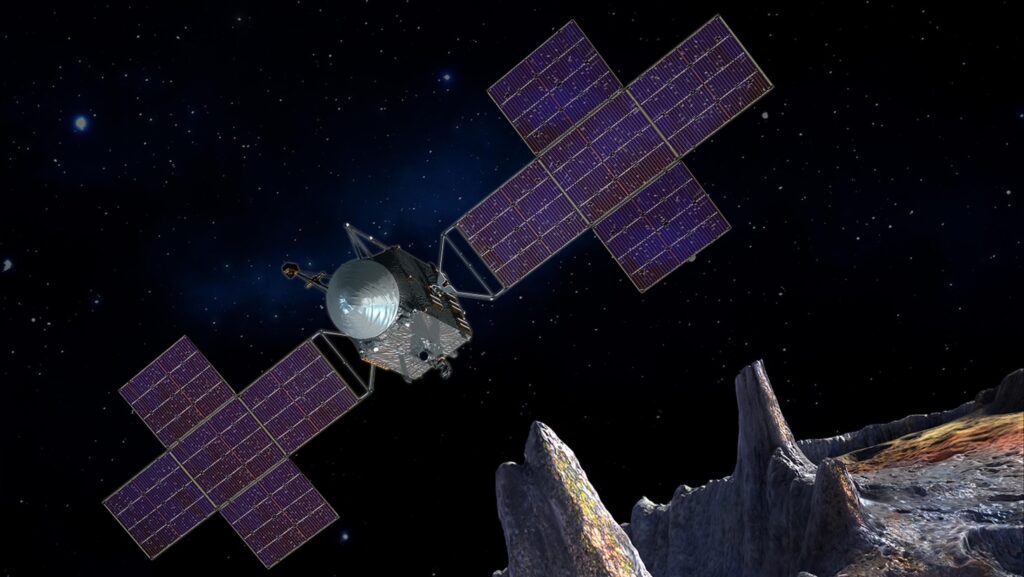
Why Is NASA’s Psyche Thrusting Almost Nonstop With the Force of an AA Battery?

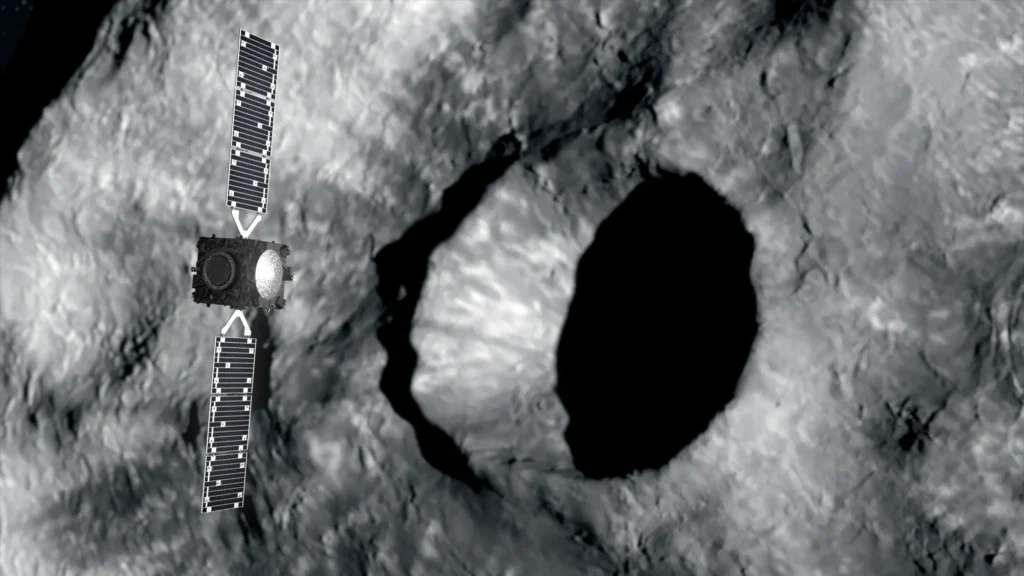
Cover Image: NASA’s Psyche approaching metal rich asteroid, Artist’s Impression. Credit: NASA/JPL-Caltech Since September 28, 2026, NASA’s Psyche spacecraft has been firing its thrusters almost without pause. It is a quiet change in the mission’s routine, but it explains a lot about how deep space travel works, and it hides a small engineering surprise. Key

Why Is NASA’s Psyche Thrusting Almost Nonstop With the Force of an AA Battery? Read More »
hera-mission-esa-explains-thumbnail

Hera Interview: ESA Project Scientist Michael Küppers on Didymos and the Legacy of DART

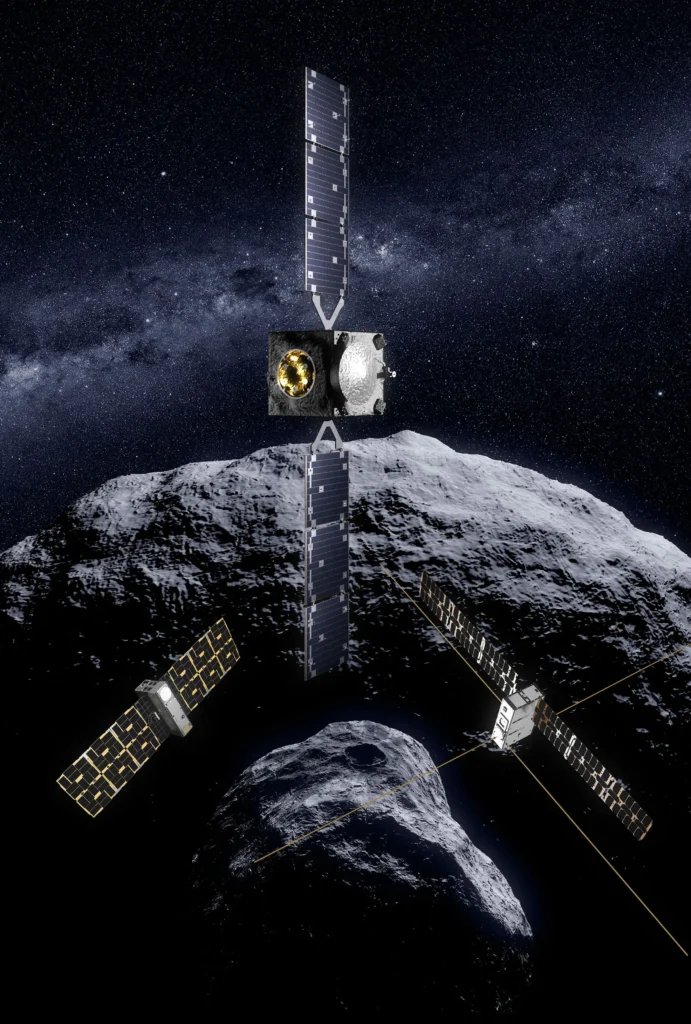
ESA’s Hera spacecraft is in the final weeks of its approach to the Didymos asteroid system, and its scientists have one clear job: finish the experiment that NASA’s DART mission started. In our new video interview, Michael Küppers, Project Scientist of the Hera mission at ESA’s European Space Astronomy Centre (ESAC), walks us through what

Hera Interview: ESA Project Scientist Michael Küppers on Didymos and the Legacy of DART Read More »

Shopping Cart