
Join the mailing list Free weekly briefing, no spam.
Cover image: Heads of EDA and ESA – Credits: ESA / S. Corvaja
On 22 April in Brussels, a significant step forward in Europe’s space-security ecosystem was formalised as the European Space Agency (ESA) and the European Defence Agency (EDA) signed an Implementing Arrangement to jointly assess and strengthen the continent’s Earth observation capabilities. The agreement, endorsed by ESA Member States earlier this year, signals a clear transition from strategic intent to operational delivery in an increasingly complex geopolitical landscape.
Signed by ESA Director General Josef Aschbacher and EDA Deputy Chief Anders Sjöborg, the initiative will launch an 18-month joint study aimed at identifying critical capability gaps, anticipating future needs, and shaping a long-term roadmap extending to 2040 and beyond.

Halloween on the International Space Station: How Astronauts Celebrate in Orbit
ESA’s Hera and NASA’s DART: What Europe’s Asteroid Mission Will Measure at Didymos
Executive Guide to Space at Space Park Leicester: Three Days Inside a Space Mission
MO-Nav on Talon-A: What a Mach 5 GPS-Denied Test Proves
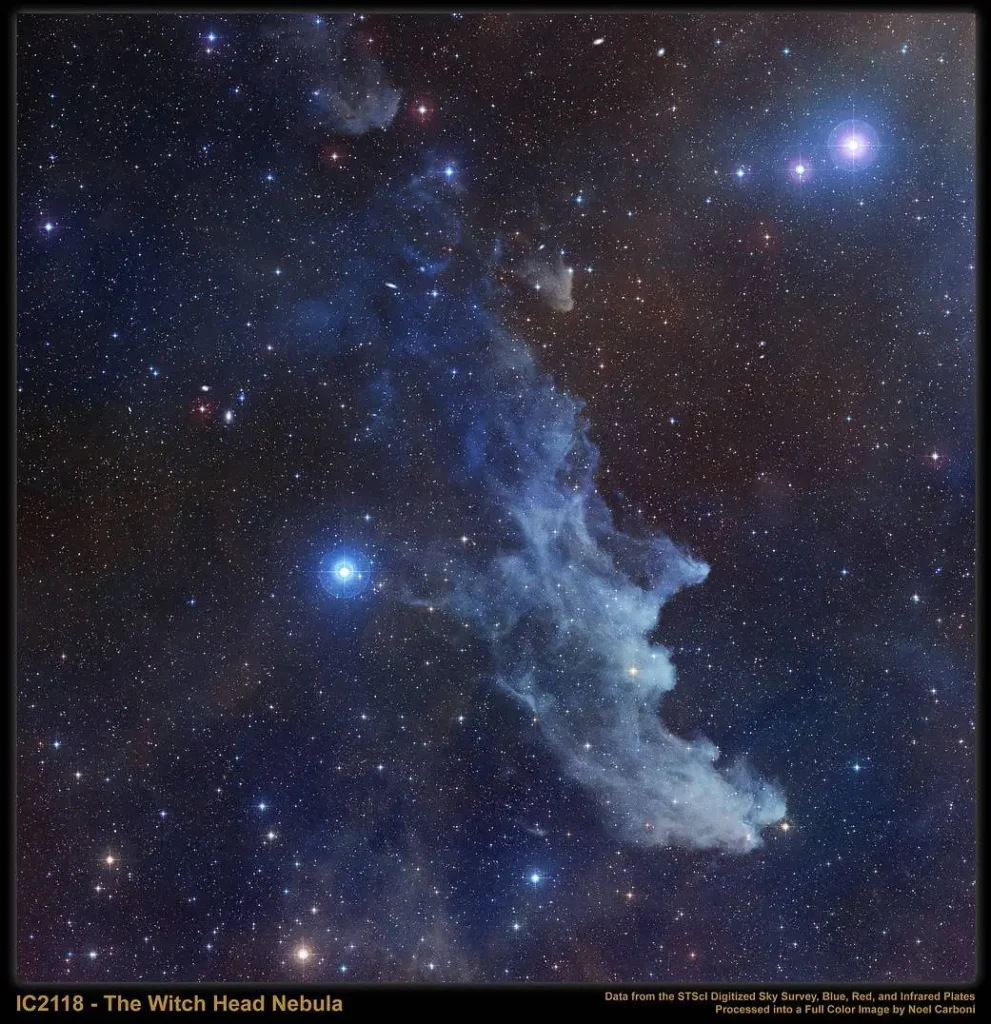
Scariest Objects in Space: Ghost Nebula, Witch Head Nebula and the Demon Star
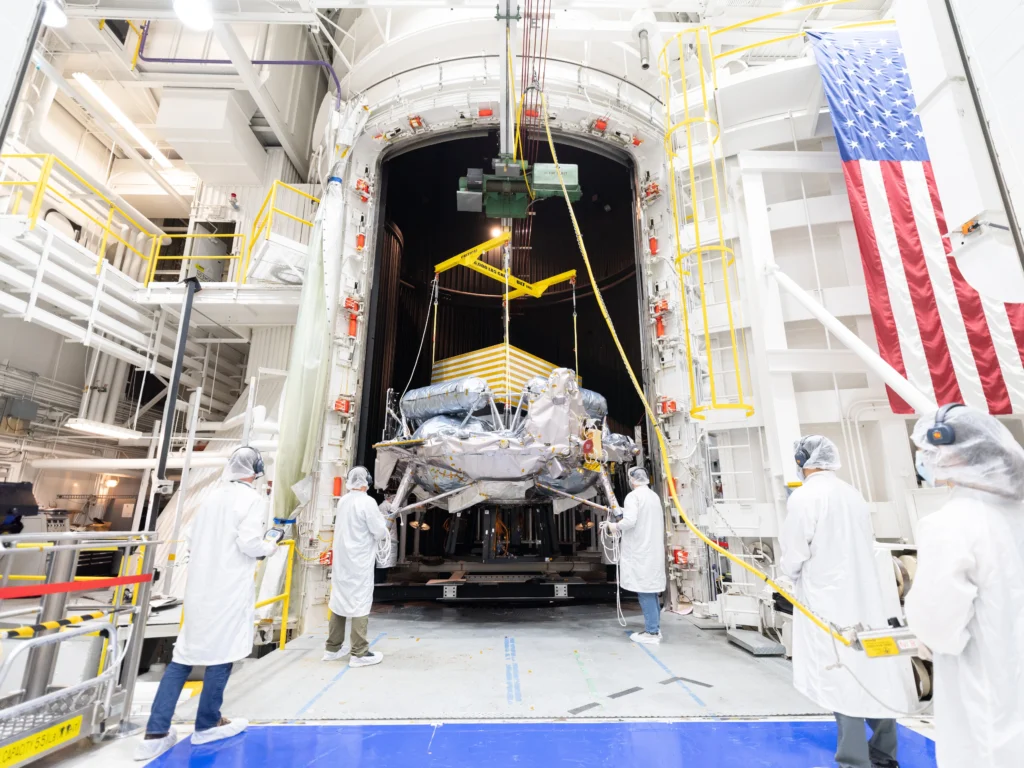
Griffin-1 Lunar Lander Completes Environmental Testing at NASA JPL

NASA 4-D Executive Space Programme: Eight Questions Answered by Paul Hawkins

Halloween Fireballs 2026: When to See the Orionid and Taurid Meteor Showers
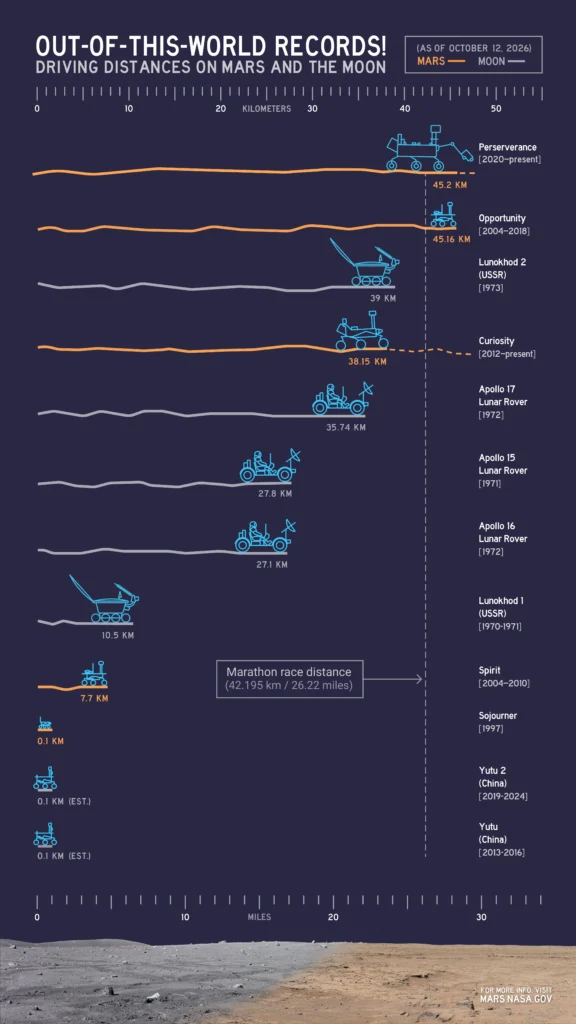
Perseverance Passes Opportunity’s Driving Record: What 45 Kilometers on Mars Really Means
Why Space Teams Fail: Paul Hawkins on NASA’s 4-D Leadership System
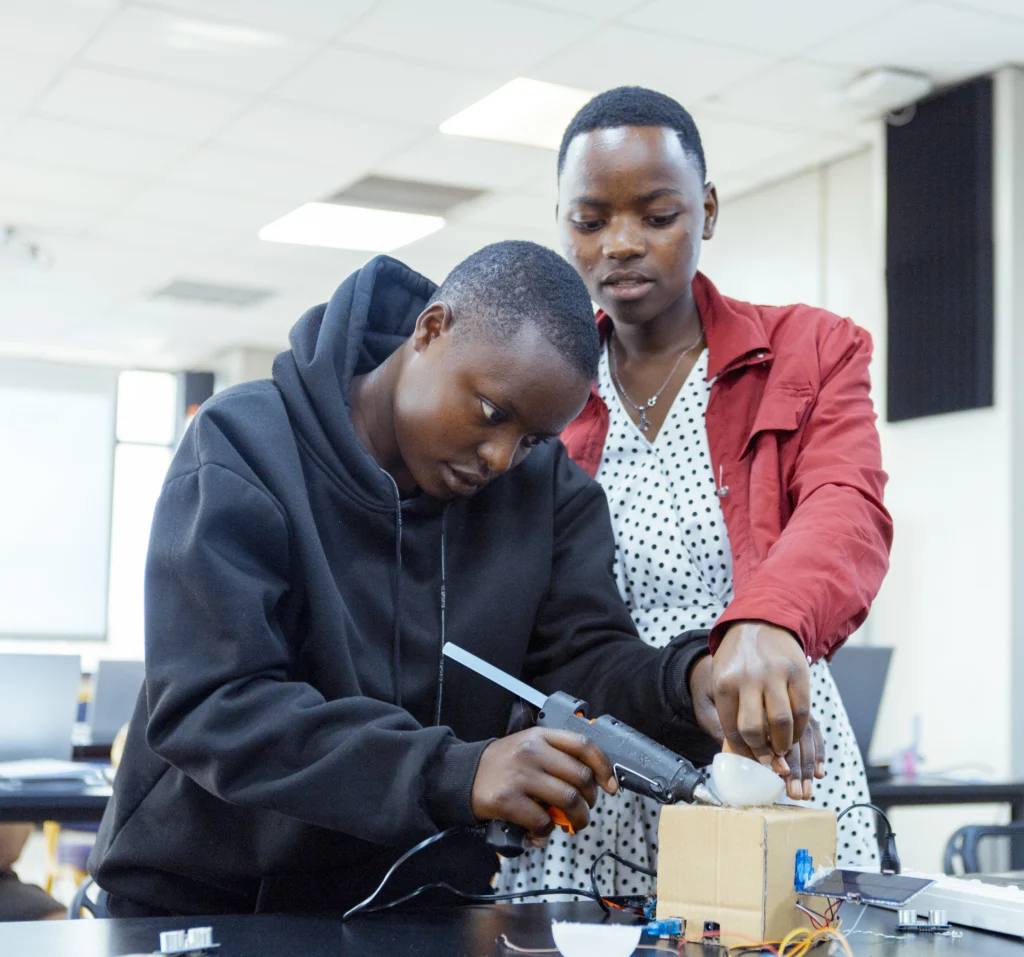
Leicester Scientists Help Train East Africa’s Next Generation of Climate Researchers
Earth Observation as a Strategic Asset
Earth observation (EO) has long been a cornerstone of civilian applications—from climate monitoring to disaster response. However, its role in security and defence has grown rapidly in recent years. Persistent, high-resolution, and near-real-time data from orbit provide governments with a decisive informational advantage: situational awareness that is continuous, impartial, and unconstrained by borders.
As Europe faces mounting geopolitical uncertainties, ensuring autonomous and resilient access to such capabilities is no longer optional—it is strategic.
ESA Director of Earth Observation Programmes Simonetta Cheli underscored this point, describing EO as “a cornerstone capability for security and defence,” and highlighting the importance of building a coherent and efficient long-term vision across institutional boundaries.
From Cooperation to Co-Development
The new study builds on a long-standing partnership between ESA and EDA, formalised under their 2011 Administrative Arrangement. What distinguishes this effort is its forward-looking, system-level approach: not merely coordinating existing assets, but actively defining the technological pathways that will underpin Europe’s future capabilities.
The scope of the study is broad and strategic. It will:
- Assess current and projected Earth observation needs across defence and security domains
- Identify capability shortfalls in data acquisition, processing, and dissemination
- Define priority areas for technology development
- Support a coordinated roadmap aligned with both operational requirements and industrial capacity
Importantly, the initiative will be jointly funded, reflecting a balanced commitment from both organisations and reinforcing the collaborative nature of the effort.
Aligning with Europe’s Strategic Autonomy Agenda
The agreement comes in the context of a broader shift within ESA, following a mandate from Member States at the 2025 Ministerial Council in Bremen to expand the Agency’s role in security and defence. Initiatives such as the European Resilience from Space (ERS) programme are already translating this mandate into tangible actions.
Aschbacher framed the agreement as a “meaningful move from intent to delivery,” emphasising the need to align technological development more closely with evolving operational realities.
From the defence perspective, EDA Chief Executive André Denk highlighted the strategic value of space-based intelligence: “In security and defence, knowledge is power—and from orbit, knowledge is constant, impartial, and without borders.”
A Long-Term Vision for 2040 and Beyond
What sets this initiative apart is its temporal horizon. By looking ahead to 2040 and beyond, ESA and EDA are not only addressing current gaps but also anticipating the disruptive technologies and emerging threats that will shape the next decades.
This includes areas such as:
- Advanced sensor technologies (multi-spectral, hyperspectral, and radar systems)
- Data fusion and AI-driven analytics
- Secure and resilient data infrastructures
- Rapid-response and taskable satellite constellations
The outcome will be a strategic roadmap designed to ensure that Europe retains not just access to Earth observation data, but leadership in the technologies that generate and exploit it.
Strengthening Europe’s Position in Space
At its core, this agreement reflects a broader evolution in Europe’s space strategy—one that recognises space as a domain where civil, commercial, and defence interests increasingly intersect.
By combining ESA’s technical expertise and programme management capabilities with EDA’s defence-oriented perspective, the partnership aims to create a more integrated and responsive ecosystem. This is essential not only for security, but also for maintaining Europe’s competitiveness in a rapidly evolving global space sector.
As Europe moves to reinforce its strategic autonomy, initiatives like this joint study represent a crucial foundation: aligning vision, investment, and innovation to ensure that space-based capabilities remain a pillar of resilience in an uncertain world.
Our Insight
This collaboration is more than a technical assessment—it is a signal of intent. Europe is positioning Earth observation not just as a scientific or commercial asset, but as a core component of its security architecture. The real impact will depend on how effectively this roadmap translates into funded programmes, industrial mobilisation, and operational deployment over the coming decade.