
Join the mailing list Free weekly briefing, no spam.
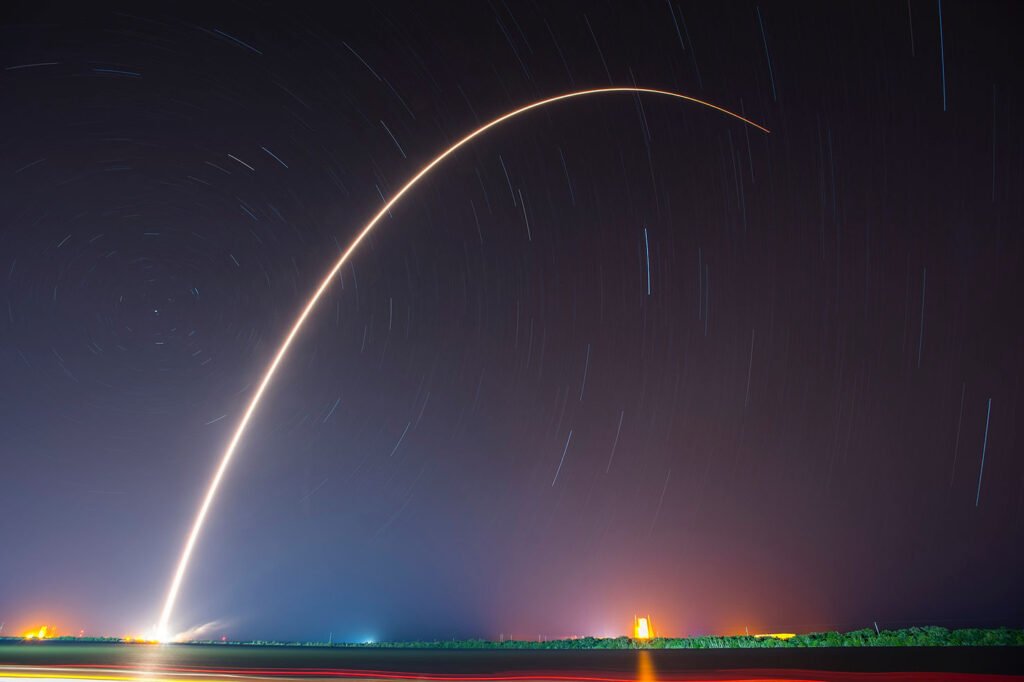
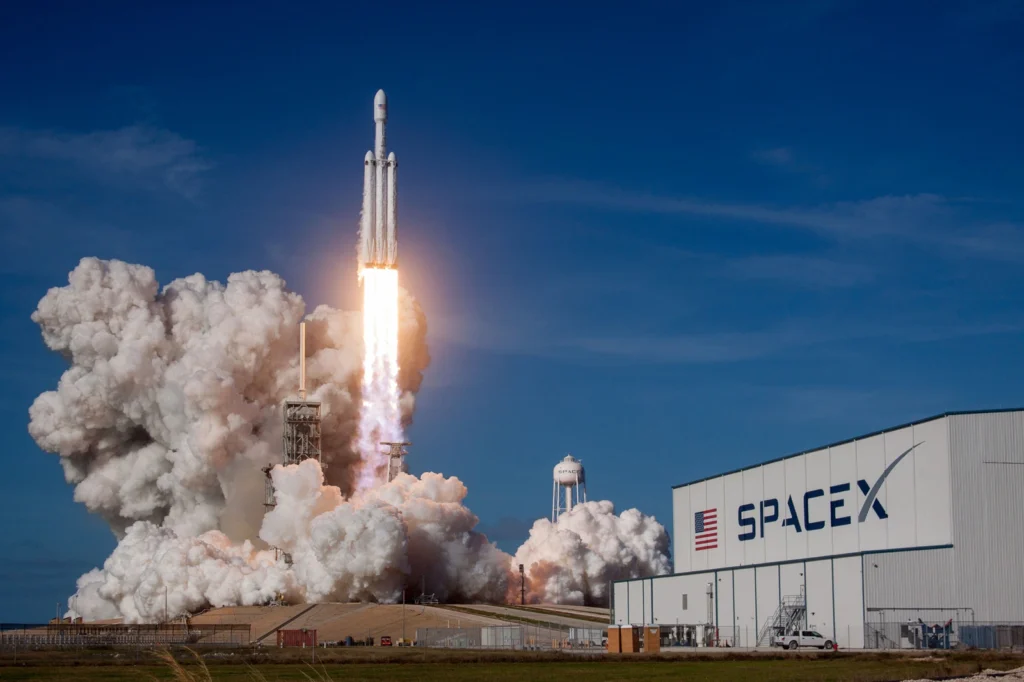
Cover Image: SpaceX Launch IPO – Credits SpaceX
The upcoming public debut of SpaceX under the ticker symbol SPCX is shaping up to be one of the most consequential events in modern financial history. With a valuation approaching $1.75 trillion and an offering expected to raise approximately $75 billion, SpaceX is not only preparing for the largest IPO ever completed—it is also introducing one of the most unusual governance structures ever seen in a publicly traded aerospace company.

Astronomy Basics
🌠 Explore the Universe Like Never Before!🔭 Discover the secrets of stars, planets, and galaxies…

[Preview] Orbital Mechanics – An Introduction
Discover the fundamentals of orbital mechanics in this beginner-friendly course—no prior experience needed! Explore how…

Human Factors and Performances
Human factors and human performance in space are critical areas of study in spaceflight operations,…
Space Physics – Basics
Explore the dynamic forces that shape our space environment in this exciting journey beyond Earth’s…
For space enthusiasts, the opportunity to become shareholders in the company that revolutionized reusable rockets, built the Starlink megaconstellation, and is developing Starship for interplanetary exploration may seem irresistible. Yet prospective investors should understand that buying SPCX stock will not necessarily mean having a meaningful voice in the company’s future.
The Musk Factor: Ownership vs. Control
According to SpaceX’s IPO filings, Elon Musk will retain overwhelming voting power after the company goes public through a dual-class share structure. While public investors will purchase Class A shares carrying one vote each, Musk’s Class B shares carry enhanced voting rights that effectively give him control over approximately 85% of the company’s voting power.
The result is simple: investors may own a portion of SpaceX’s economic value, but they will have limited ability to influence corporate decisions, board appointments, executive compensation, mergers, or strategic direction.
In practical terms, Musk will remain SpaceX’s Chief Executive Officer, Chief Technology Officer, and Chairman of the Board simultaneously, while also retaining the ability to determine the composition of the board itself.
A “Controlled Company” by Design
Once listed, SpaceX will qualify as a “controlled company” under Nasdaq rules. This status allows the company to operate with exemptions from several governance requirements typically intended to protect minority shareholders.
For example, controlled companies are not required to maintain fully independent nomination or compensation committees. Critics argue that these exemptions reduce oversight precisely when investors need it most.
Supporters of the model counter that founder-led companies often outperform because visionary leadership is protected from short-term market pressures. Similar structures have been employed by companies such as Alphabet and Meta Platforms, although SpaceX appears poised to take founder control even further.
The Corporate Governance Question
The most significant concern is not whether SpaceX can continue innovating—it almost certainly can. The concern is whether future shareholders will possess adequate mechanisms to challenge management if conflicts of interest arise.
Musk’s expanding business empire already includes Tesla, xAI, and social platform X. The possibility of future transactions between these entities raises questions about how independent oversight would function when the same individual effectively controls multiple organizations.
Some governance analysts have warned that the structure significantly limits shareholder influence and creates a system where investors must place extraordinary trust in Musk’s judgment for years—or potentially decades—to come.
Why Investors May Buy Anyway
Despite these concerns, demand for SPCX is expected to be enormous.
SpaceX occupies a unique position at the intersection of aerospace, telecommunications, defense, artificial intelligence, and infrastructure. Starlink continues to generate substantial recurring revenue, Falcon 9 dominates the global launch market, and Starship remains central to NASA’s long-term lunar ambitions. The company is also increasingly positioning itself as a major AI and data infrastructure player.
Many investors will likely view governance risks as the price of admission for participating in what could become one of the defining industrial companies of the 21st century.
The Bottom Line
The SpaceX IPO represents a fascinating paradox.
Financially, SPCX may offer investors access to one of the most ambitious and technologically transformative enterprises ever created. From reusable rockets to Mars ambitions, few companies possess such a compelling long-term vision.
From a governance perspective, however, investors should recognize that they are not buying influence—they are buying exposure.
The future of SpaceX will remain overwhelmingly tied to Elon Musk’s decisions. For some investors, that concentration of authority is exactly what makes the company attractive. For others, it may be the single greatest risk attached to the stock.
As SPCX prepares for its market debut, the central question is not whether SpaceX can change the future of spaceflight. It is whether public investors are comfortable placing that future almost entirely in the hands of one man.
Beyond the Rocket Revolution: Connecting Space Innovation with Society
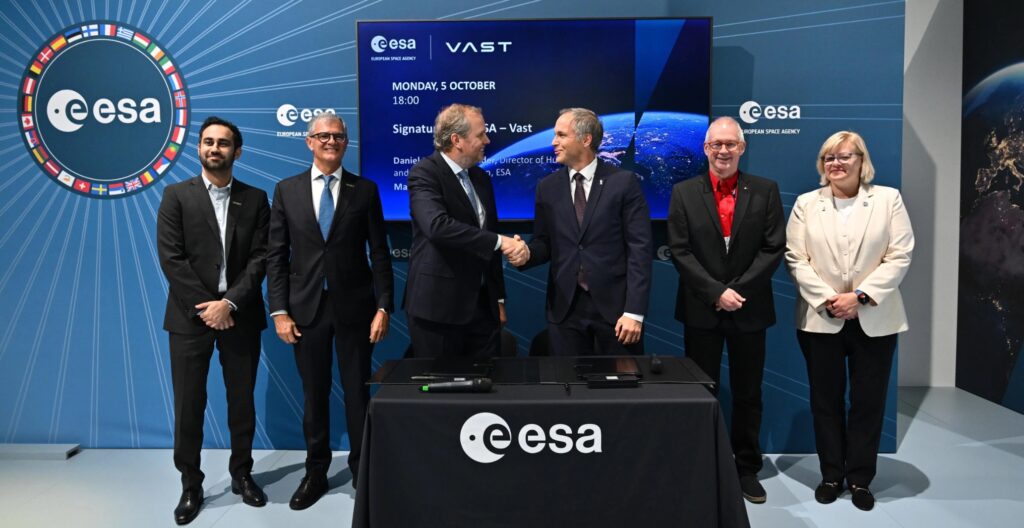
ESA and Vast: the new MoU and Europe’s future after the ISS
Image Credits: jonasphotto The European Space Agency has signed a new Memorandum of Understanding with…
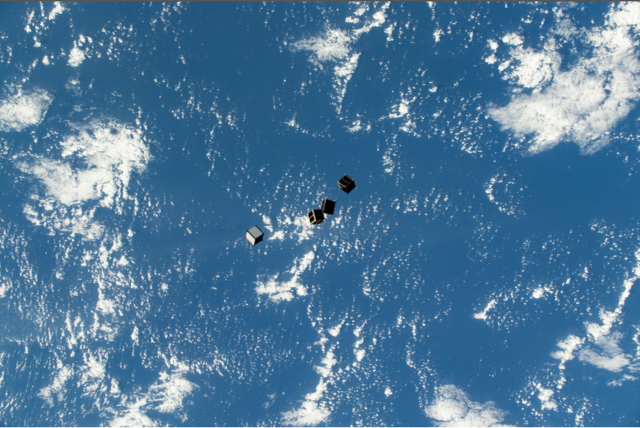
Photonic Quantum Processor in Orbit: What the First Test Proved, and What It Didn’t
Illustrative image: CubeSats deployed into Earth orbit from the International Space Station’s Kibo module. Not…
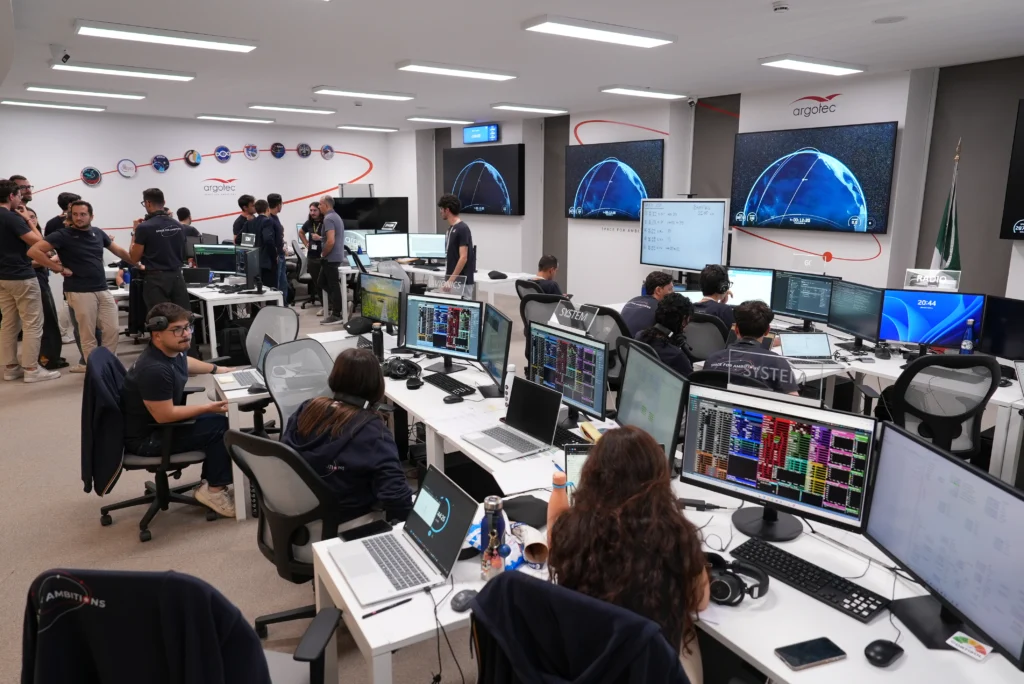
Argotec and Rheinmetall Put an Air Defence Satellite in Orbit Argotec and Rheinmetall Put an…

Starship Flight 14 Recap: It Reached Orbit, Delivered 26 Satellites — and Came Home the Hard Way

Aurora and Saturn at Opposition: The Sky on October 2–4, 2026
Image Credits: NASA, Neil Zeller A weekend with two stars of the show Between October…