
Join the mailing list Free weekly briefing, no spam.
Cover Image: Watch Our Video Analysis on the SpaceInfo Youtube Channel
In March 2002, a little-known aerospace startup was born in a warehouse in El Segundo, California. Its founder, entrepreneur Elon Musk, had a vision that many considered unrealistic: dramatically reduce the cost of access to space and ultimately make humanity a multi-planetary species.
Twenty-four years later, SpaceX stands on the verge of a historic milestone. This week, the company is expected to complete what could become the largest initial public offering (IPO) in financial history, with a valuation approaching $1.75 trillion. The journey from a small startup to a global space powerhouse is a story of persistence, innovation, and a willingness to challenge long-established industry assumptions.
A Company Built on an Impossible Goal
At the beginning of the 21st century, the space industry was dominated by governments and large aerospace contractors. Launches were expensive, infrequent, and heavily dependent on decades-old technology.
Musk believed that spaceflight costs could be reduced dramatically if rockets could be reused rather than discarded after every mission. It was a simple idea in principle, yet one that had repeatedly failed in practice.
SpaceX’s first years were anything but smooth. The company developed its first rocket, Falcon 1, and endured three consecutive launch failures between 2006 and 2008. By many accounts, the company was running dangerously low on cash.
Then came September 28, 2008.
The fourth Falcon 1 launch successfully reached orbit, making it the first privately developed liquid-fueled rocket to do so. That single mission would prove to be the turning point that saved the company.

Scariest Objects in Space: Ghost Nebula, Witch Head Nebula and the Demon Star
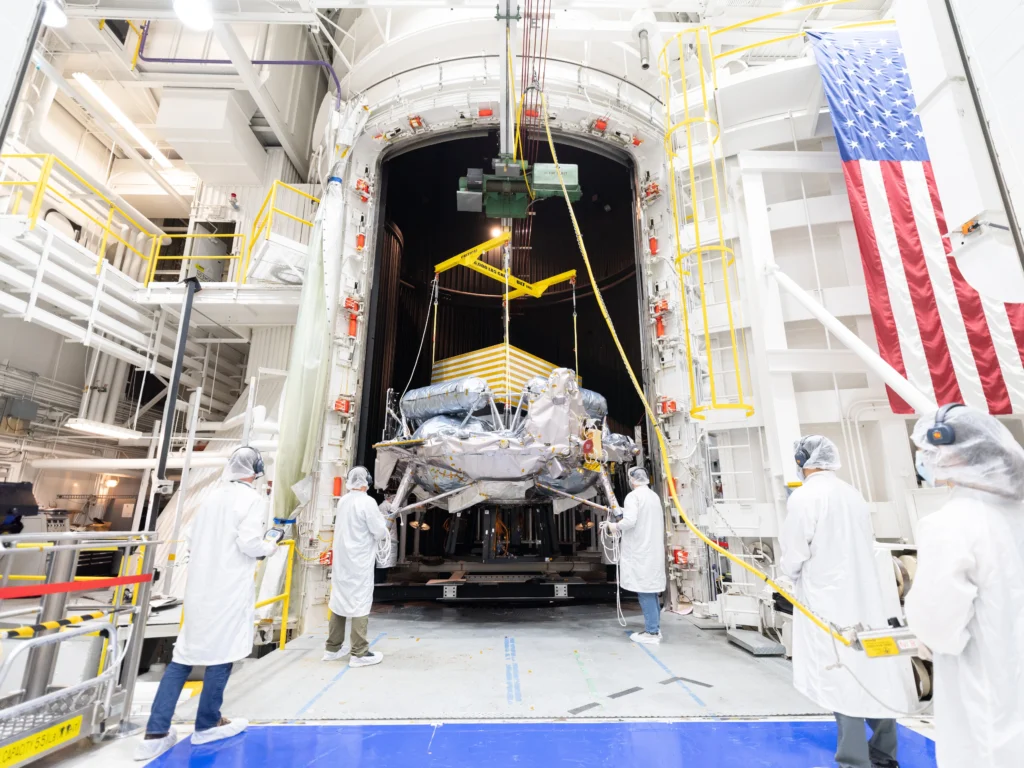
Griffin-1 Lunar Lander Completes Environmental Testing at NASA JPL
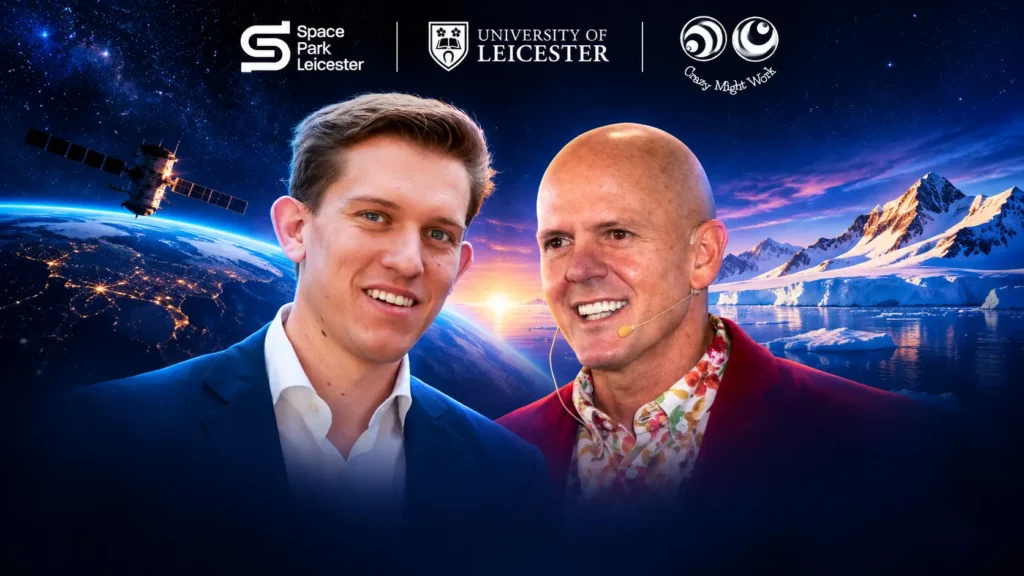
NASA 4-D Executive Space Programme: Eight Questions Answered by Paul Hawkins

Halloween Fireballs 2026: When to See the Orionid and Taurid Meteor Showers
Perseverance Passes Opportunity’s Driving Record: What 45 Kilometers on Mars Really Means
Why Space Teams Fail: Paul Hawkins on NASA’s 4-D Leadership System
NASA Opens the Door
Only months after Falcon 1’s success, NASA awarded SpaceX a major cargo transportation contract for the International Space Station.
The agreement provided crucial funding, credibility, and long-term opportunities. For the first time, a private company was becoming a significant partner in America’s space program.
The success of Falcon 1 soon led to the development of Falcon 9, a much larger and more capable launch vehicle that would ultimately redefine the economics of orbital transportation.
The Reusability Revolution
For decades, launching rockets resembled throwing away an airplane after every flight.
SpaceX set out to change that.
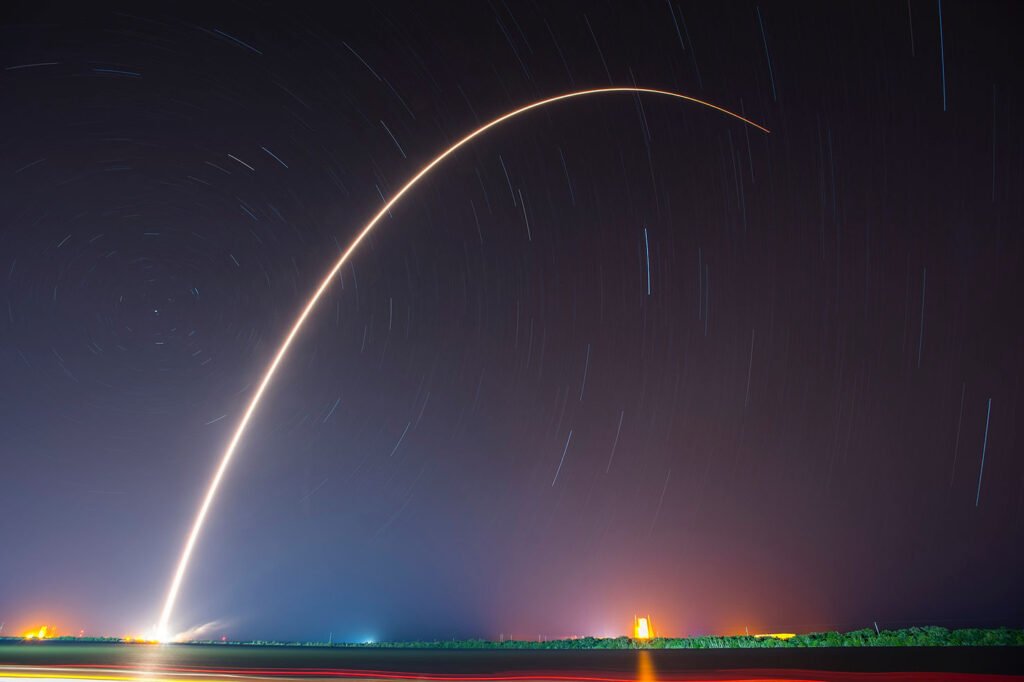
In December 2015, a Falcon 9 first-stage booster successfully landed back on Earth after delivering its payload to space. It was a moment many aerospace engineers had dreamed about for generations.
Soon afterward, boosters began landing routinely on autonomous drone ships stationed in the ocean. Within a few years, previously flown rockets were launching again and again.
Today, Falcon 9 boosters routinely fly dozens of missions. On June 8, 2026, SpaceX set a new reuse record when a Falcon 9 booster completed its 35th successful launch and landing, demonstrating a level of operational efficiency once considered impossible. This achievement remains one of the company’s greatest competitive advantages.
Opening a New Era of Human Spaceflight
SpaceX’s ambitions extended beyond satellites and cargo.
In 2020, the Crew Dragon spacecraft carried astronauts to the International Space Station, marking the first time a private company had launched humans into orbit and the first crewed orbital launch from American soil since the retirement of the Space Shuttle.
The mission demonstrated that commercial companies could perform tasks once reserved exclusively for national space agencies.
Since then, Crew Dragon has become a cornerstone of NASA’s human spaceflight operations and has also enabled private astronaut missions, further expanding access to space.
Starlink: The Unexpected Giant
While rockets made SpaceX famous, another project would become equally transformative.
In 2019, the company began deploying Starlink, a massive constellation of internet satellites designed to provide high-speed connectivity across the globe.
What initially appeared to be a supporting business evolved into one of the largest satellite communications networks ever built.
Starlink now serves millions of users worldwide and provides an important source of recurring revenue. Many analysts consider it the financial engine that supports SpaceX’s more ambitious projects, including the development of Starship and future deep-space missions.
Starship and the Road to Mars
If Falcon 9 changed the launch industry, Starship aims to change humanity’s future in space.
Standing nearly 120 meters tall when combined with its Super Heavy booster, Starship is the largest and most powerful rocket system ever developed.
The vehicle is designed to be fully reusable and capable of carrying massive payloads to Earth orbit, the Moon, and eventually Mars.
Although still in development, Starship has already completed a series of increasingly ambitious flight tests. The program represents the foundation of SpaceX’s long-term vision: transforming humanity from a single-planet species into a civilization capable of living on multiple worlds.
The Historic IPO
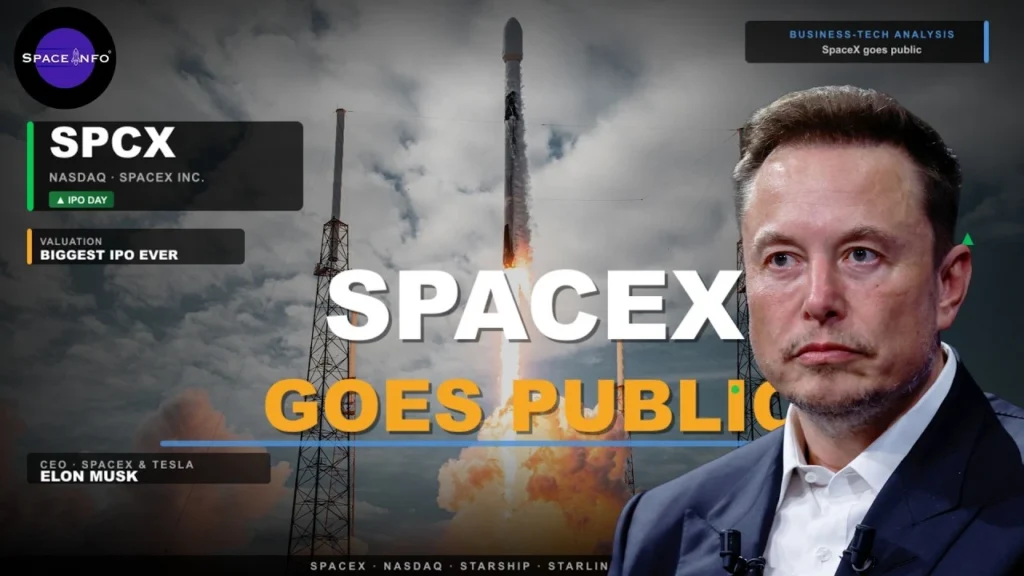
This week, SpaceX is preparing to enter public markets in what may become the largest IPO ever conducted.
The company is seeking to raise approximately $75 billion at a valuation near $1.75 trillion. Reports indicate investor demand has already exceeded the available shares by roughly two-to-one, highlighting extraordinary interest from both institutional and retail investors. Pricing is expected on June 11, with Nasdaq trading anticipated shortly afterward under the ticker SPCX.
Regardless of short-term market performance, the offering represents a remarkable moment in the history of commercial spaceflight. Just eighteen years ago, SpaceX was struggling to survive after multiple launch failures. Today, it is preparing to become one of the most valuable publicly traded companies in the world.
More Than a Company
SpaceX’s legacy is not measured solely by revenue, launches, or market capitalization.
Its greatest achievement may be changing what society believes is possible.
The company demonstrated that reusable rockets could work. It revived human spaceflight from the United States. It built the world’s largest satellite internet constellation. Most importantly, it transformed Mars exploration from a distant dream into a tangible engineering objective.
Whether future generations remember SpaceX as a transportation company, a communications company, or the organization that helped humanity expand beyond Earth, one thing is certain:
The history of space exploration in the 21st century cannot be written without SpaceX at its center.